English
 中文简体
中文简体
Oct 01,2026
Content
What Are Vinyl Sheet Piles
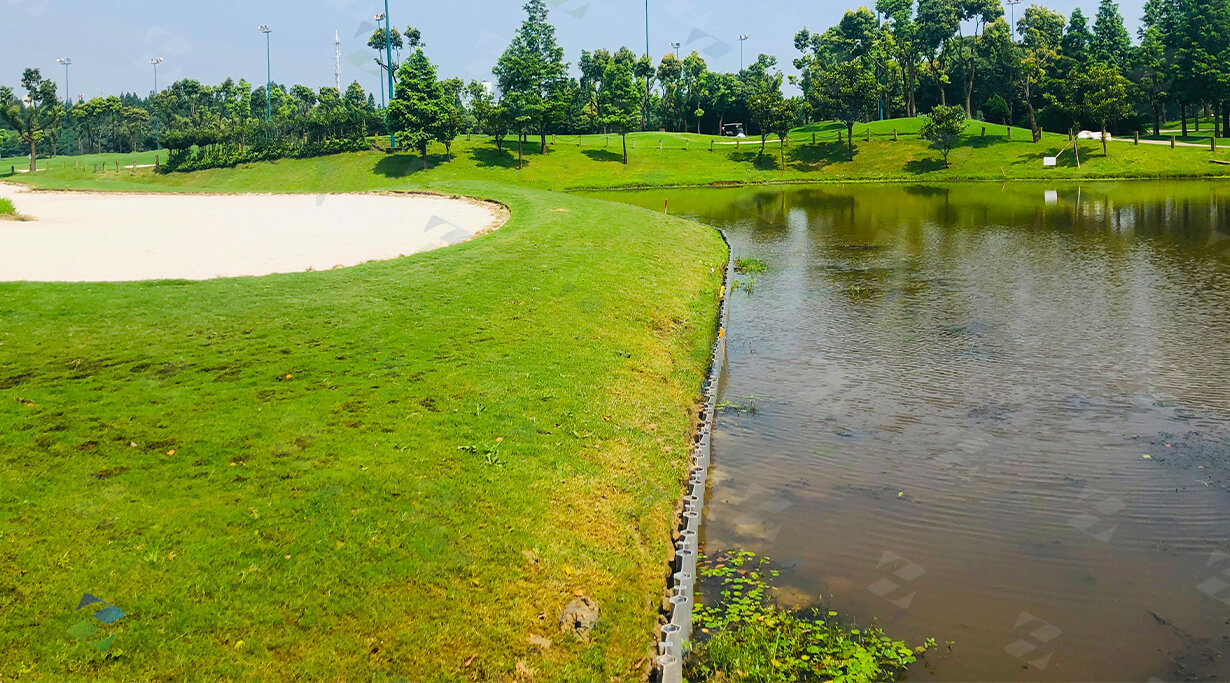
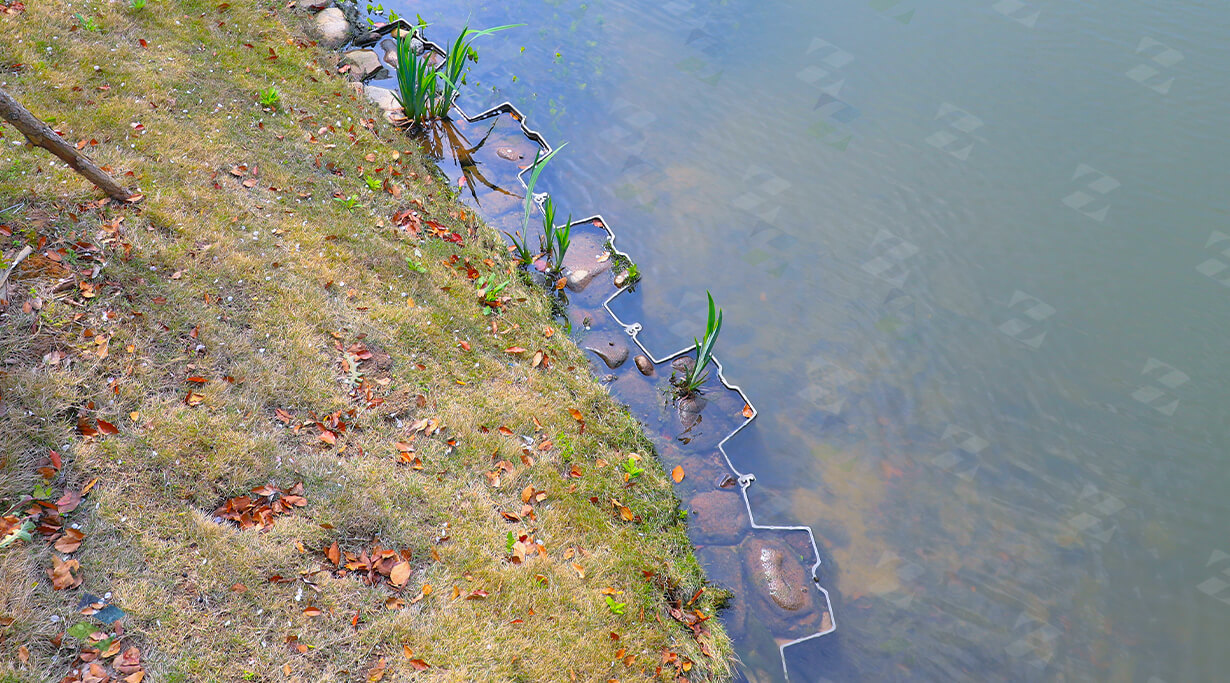
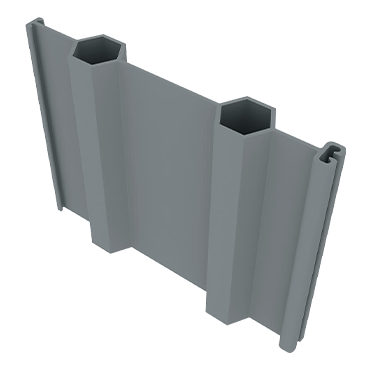
Vinyl sheet piles are interlocking structural panels made from PVC or a similar high-strength polymer compound, used to build retaining walls, seawalls, bulkheads, and erosion control structures along waterfronts and shorelines. Each panel features a tongue-and-groove interlock design along its edges, allowing individual sheets to connect and form a continuous, watertight barrier once driven into the ground. This method of construction has become increasingly common in both residential and municipal projects where long-term durability and low maintenance are top priorities.
Unlike traditional retaining wall materials such as steel or timber, vinyl sheet piles are engineered specifically to resist the corrosive effects of saltwater, freshwater, and soil chemicals, making them particularly well suited for marine and wetland environments. Their lightweight composition also simplifies transportation and installation compared to heavier steel alternatives, which can reduce overall project timelines and equipment requirements.
How Vinyl Sheet Piles Are Installed
Installation typically begins with site preparation, including clearing the work area and establishing a guide system, often referred to as a waler system, to keep the sheets properly aligned during driving. Individual panels are then set into position along the guide and driven into the ground using vibratory hammers or impact hammers, depending on soil conditions and project specifications.
As each panel is driven, its interlocking edge connects with the previously installed sheet, gradually forming a continuous wall along the planned alignment. Once the full run of sheeting reaches the required depth and elevation, a capping beam or wale is often installed along the top to tie the individual panels together and provide additional structural stability against lateral soil and water pressure.
Key Advantages of Vinyl Sheet Piles
Vinyl sheet piling has gained popularity across civil engineering and landscaping projects for several practical reasons:
- Resistance to corrosion, rust, and marine borer damage that commonly affects steel and timber
- Lightweight panels that reduce transportation costs and simplify handling on site
- Minimal maintenance requirements over a long service life, often exceeding 50 years
- Consistent manufacturing quality that ensures uniform interlock fit and wall alignment
- Environmentally stable material that does not leach harmful substances into surrounding soil or water
These benefits make vinyl sheet piles an attractive long-term investment, particularly for waterfront property owners and municipalities managing extensive shoreline infrastructure.
Comparing Vinyl Sheet Piles to Steel and Timber
Choosing the right sheet piling material depends on project budget, environmental conditions, and expected service life. The table below compares vinyl to two commonly used alternatives.
MaterialTypical LifespanMaintenance NeedsVinyl Sheet Piles50+ yearsVery lowSteel Sheet Piles25-40 yearsModerate to high (coating, rust treatment)Timber Sheet Piles10-20 yearsHigh (rot, insect damage treatment)
While steel offers higher load-bearing capacity for certain heavy structural applications, vinyl remains a strong choice for projects prioritizing corrosion resistance and reduced long-term maintenance costs.
Common Profile Types and Their Uses
Straight Web Profiles
Straight web vinyl sheet piles offer a flat, simple cross-section suitable for lighter-duty applications such as garden retaining walls, small drainage channels, and low-height property boundary walls where structural loads are relatively minimal.
Z-Profile and U-Profile Sheets
Z-profile and U-profile designs provide greater section modulus, meaning they can resist higher bending forces, making them suitable for taller retaining walls, seawalls, and bulkheads that must withstand significant lateral soil or wave pressure.
Common Applications
Vinyl sheet piles are used across a wide range of construction and environmental projects, including:
- Residential and commercial waterfront seawalls and bulkheads
- Canal and drainage channel lining to prevent soil erosion
- Boat ramp and marina bulkhead construction
- Flood control levees and stormwater management systems
- Property line retaining walls in residential landscaping projects
The versatility of vinyl sheet piling makes it suitable for both small-scale residential projects and large municipal infrastructure initiatives.
Factors to Consider Before Choosing Vinyl Sheet Piles
Before committing to a vinyl sheet pile system, project planners should evaluate soil composition and density, since driving conditions vary significantly between sandy, clay, or rocky substrates. Wall height and expected load requirements should also be assessed to determine the appropriate profile type and panel thickness needed to safely resist anticipated soil and water pressures.
Local building codes and environmental regulations, particularly those governing waterfront construction, should be reviewed early in the planning process, as permitting requirements can affect both project timelines and design specifications.
Long-Term Care and Inspection
While vinyl sheet piles require significantly less maintenance than steel or timber alternatives, periodic inspection remains important to ensure long-term structural performance. Property owners should check for visible cracking, panel separation at the interlocks, or signs of soil erosion behind the wall, particularly after severe storms or flooding events that place additional stress on the structure.
Maintaining proper drainage behind the wall through weep holes or drainage systems also helps prevent hydrostatic pressure buildup, which can otherwise compromise wall stability over time. Addressing minor issues promptly helps preserve the structural integrity and extend the already long service life that vinyl sheet piling is known for.