English
 中文简体
中文简体
Sep 21,2026
Content
- 1 Why Marine Construction Demands Specialized Materials
- 2 Corrosion Resistance in Saltwater Environments
- 3 Comparing Vinyl Sheet Pile to Traditional Materials
- 4 Installation Advantages of Lightweight Vinyl Panels
- 5 Environmental and Regulatory Considerations
- 6 Where Vinyl Sheet Pile Fits Best in Marine Projects
Why Marine Construction Demands Specialized Materials
Marine and waterfront construction projects face conditions that few other building environments encounter, including constant saltwater exposure, tidal fluctuations, wave action, and in many regions, freeze-thaw cycles. Traditional materials like steel and timber have long been used for seawalls, bulkheads, and retaining structures, but both come with well-documented vulnerabilities in marine environments. Steel corrodes when exposed to saltwater over time, and timber is susceptible to rot, insect damage, and marine borer infestation, both of which lead to costly repairs and shortened structure lifespans.
Vinyl sheet piling, made from PVC formulated specifically for structural applications, has emerged as an alternative that addresses many of these vulnerabilities directly. Understanding the specific advantages vinyl offers, along with its limitations, helps engineers, contractors, and property owners make informed decisions when planning marine construction projects.
Corrosion Resistance in Saltwater Environments
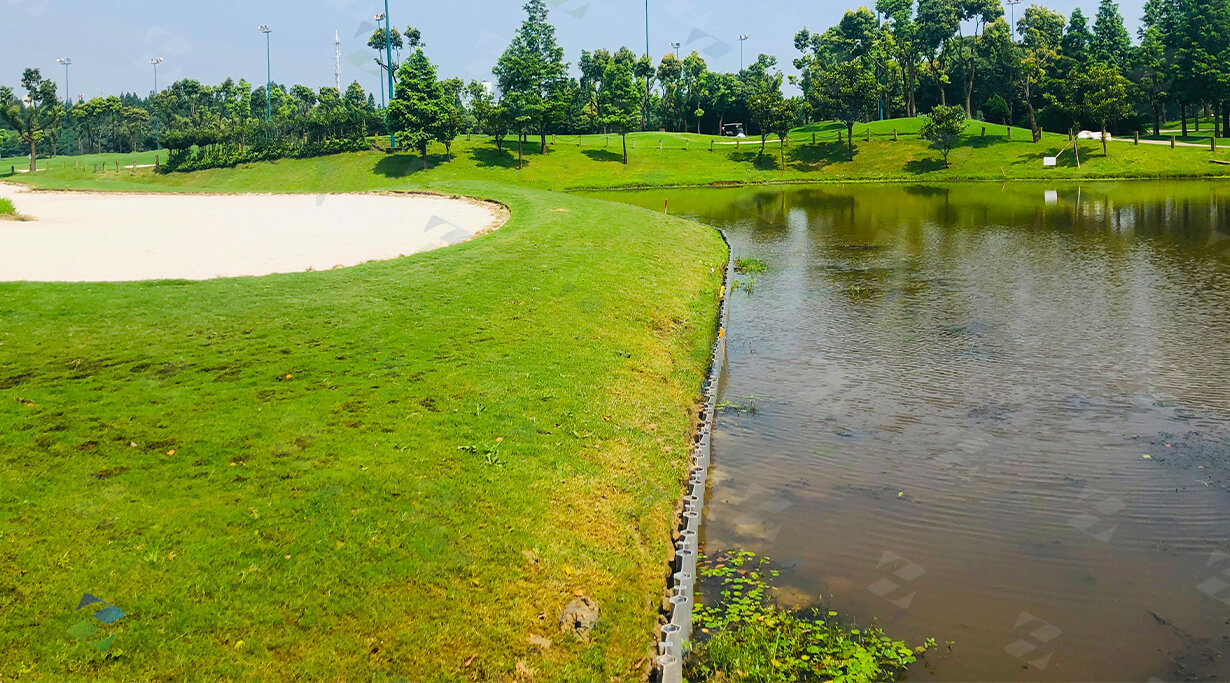
The single most significant advantage vinyl sheet pile offers in marine construction is its complete resistance to corrosion. Unlike steel sheet piling, which requires ongoing corrosion protection through coatings, cathodic protection systems, or periodic replacement of degraded sections, vinyl does not rust, oxidize, or degrade chemically when exposed to saltwater. This eliminates an entire category of maintenance concerns that engineers must otherwise plan for when specifying steel in marine environments.
This corrosion resistance is particularly valuable in tidal zones, where the constant cycle of wetting and drying accelerates steel corrosion far more aggressively than fully submerged or fully dry conditions. Vinyl sheet piling performs consistently across this entire tidal range without the accelerated degradation that steel structures typically experience at the waterline.
Comparing Vinyl Sheet Pile to Traditional Materials
Choosing between vinyl, steel, and timber sheet piling involves weighing several practical factors beyond material cost alone. The table below summarizes how these materials compare across key performance categories relevant to marine construction.
| Factor | Vinyl Sheet Pile | Steel Sheet Pile | Timber Sheet Pile |
| Corrosion Resistance | Excellent, does not rust | Poor without coatings or cathodic protection | Not applicable, but prone to rot and marine borers |
| Expected Lifespan | 50 years or more in typical conditions | 15 to 30 years depending on protection | 10 to 25 years depending on treatment |
| Maintenance Needs | Minimal, no coatings required | Ongoing coating inspection and reapplication | Regular inspection for rot and pest damage |
| Installation Weight | Lightweight, easier handling | Heavy, requires larger equipment | Moderate weight, varies by species |
Long-Term Cost Advantages Despite Material Price
While vinyl sheet piling may carry a higher upfront material cost than timber in some markets, the total lifecycle cost often favors vinyl once maintenance, repair, and replacement expenses are factored in. Steel structures typically require budget allocation for periodic recoating or cathodic protection system maintenance, while timber structures often need partial replacement of damaged sections well before the overall structure reaches the end of its intended service life. Vinyl's minimal maintenance requirements translate into lower lifecycle costs for many waterfront property owners and municipalities managing long-term infrastructure budgets.
Installation Advantages of Lightweight Vinyl Panels
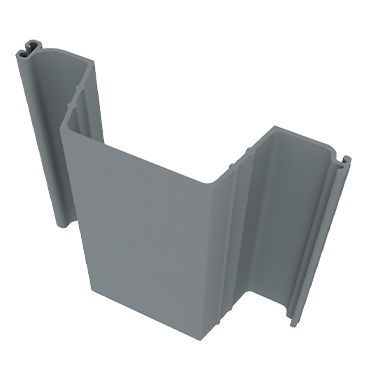
Vinyl sheet pile panels are significantly lighter than steel sections of comparable size, which offers practical benefits during installation. Lighter panels can often be installed using smaller vibratory hammers or excavator-mounted equipment rather than the heavier cranes and pile drivers required for steel installation, which can reduce mobilization costs and make vinyl sheet piling more practical for projects with limited site access or smaller contractor equipment fleets.
The interlocking joint design used in most vinyl sheet pile systems also allows for relatively fast installation once panels are aligned correctly, since each panel locks into the adjacent panel to form a continuous, watertight wall. This interlocking design contributes to the overall structural integrity of the finished wall while streamlining the installation process compared to some traditional bulkhead construction methods.
Environmental and Regulatory Considerations
Vinyl sheet piling does not leach chemical treatments into surrounding water the way pressure-treated timber can, which has made it an increasingly preferred option in projects where environmental regulations govern material use near sensitive aquatic habitats. Since vinyl does not require chemical preservatives or anti-corrosion coatings to maintain performance in marine environments, it avoids introducing certain compounds into the water that regulators in some jurisdictions have raised concerns about with treated timber products.
- No chemical treatments required, reducing the risk of leaching into surrounding water
- No rust byproducts entering the water column, unlike untreated or degrading steel structures
- Reduced need for future dredging or repair activity that can disturb aquatic habitats
- Compliance with many local and state regulations governing waterfront construction materials
Where Vinyl Sheet Pile Fits Best in Marine Projects
Vinyl sheet piling is commonly used for residential and light commercial seawalls, canal bulkheads, boat ramps, and erosion control structures where wall height and load requirements fall within the material's structural capabilities. It performs particularly well in coastal residential developments, marinas, and smaller municipal waterfront projects where long-term durability and reduced maintenance are high priorities.
For very tall retaining structures or projects requiring significant load-bearing capacity, engineers may still specify steel or reinforced concrete due to vinyl's structural limitations at greater wall heights. However, for the substantial share of marine construction projects that fall within vinyl's practical application range, its combination of corrosion resistance, reduced maintenance, and favorable lifecycle costs makes it an increasingly common choice among engineers and waterfront property owners planning new construction or replacing aging infrastructure.