English
 中文简体
中文简体
Oct 14,2026
Content
What Is Vinyl Sheet Pile?
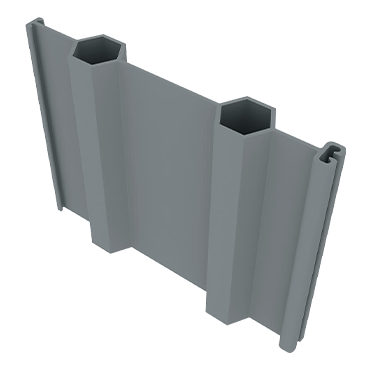
Vinyl sheet pile is an interlocking wall system made from high-strength PVC formulations, designed to hold back soil and resist water pressure in waterfront and erosion control applications. Each sheet features a tongue-and-groove or ball-and-socket interlock along its edges, allowing individual panels to connect and form a continuous, watertight wall once driven into the ground. Unlike traditional materials such as timber or steel, vinyl sheet pile is engineered specifically to resist the corrosive and biological threats found in marine and freshwater environments, which has made it an increasingly popular choice for seawalls, bulkheads, and shoreline stabilization projects.
Why Vinyl Sheet Pile Performs Well in Waterfront Environments
Waterfront structures face a demanding combination of stresses, including constant moisture exposure, saltwater corrosion, wave impact, and biological attack from marine organisms. Vinyl sheet pile is formulated to withstand these conditions without the degradation issues that affect other common materials.
Corrosion Resistance
Because vinyl sheet pile contains no metal components in the wall panel itself, it is immune to the rust and corrosion that eventually weakens steel sheet piling in saltwater or brackish environments. This eliminates one of the most common causes of seawall failure and significantly extends the structure's usable life without the need for corrosion-resistant coatings or cathodic protection systems.
Resistance to Marine Borers and Rot
Wooden bulkheads are vulnerable to marine borers, fungal decay, and insect damage, all of which can compromise structural integrity within a few decades. Vinyl sheet pile does not provide a food source for these organisms and does not rot when submerged or exposed to constant moisture, making it a more reliable long-term barrier in tidal and freshwater settings alike.
UV and Chemical Stability
Modern vinyl sheet pile formulations include UV stabilizers that prevent the material from becoming brittle under prolonged sun exposure, a common issue with lower-grade plastics. The material also resists degradation from most chemicals found in soil and water, including chlorides and mild acids often present in coastal environments.
- Does not rust or corrode in saltwater or brackish conditions
- Resists marine borers, insects, and fungal decay
- Includes UV stabilizers to prevent brittleness over time
- Maintains structural integrity in both saltwater and freshwater
Vinyl Sheet Pile vs Steel and Timber
When comparing materials for a seawall or bulkhead project, it helps to look at how vinyl sheet pile stacks up against the two most common traditional alternatives, steel and timber.
| Property | Vinyl Sheet Pile | Steel Sheet Pile | Timber Bulkhead |
| Corrosion Resistance | Excellent | Poor without coating | Not applicable |
| Marine Borer Resistance | Excellent | Not applicable | Poor |
| Expected Lifespan | 50+ years | 20–30 years | 10–20 years |
| Maintenance Needs | Very low | High | Moderate to high |
| Installation Weight | Light | Heavy | Moderate |
Steel sheet pile offers high strength and is often used for deep excavation or heavy-load applications, but it requires ongoing corrosion protection and periodic inspection in marine settings, adding to long-term maintenance costs. Timber bulkheads are the most affordable option upfront but generally have the shortest service life in wet environments due to rot and marine borer damage. Vinyl sheet pile occupies a practical middle ground, offering a longer service life than timber and lower maintenance demands than steel, which is why many municipalities and private waterfront owners now specify it for residential seawalls and moderate-load applications.
Choosing the Right Vinyl Sheet Pile Profile
Vinyl sheet pile is manufactured in several profile shapes and wall thicknesses, and selecting the right one depends on the soil conditions, wave exposure, and load requirements of the project site. Deeper water or higher wave energy locations typically call for a thicker, more rigid profile with a taller section modulus to resist bending under greater lateral pressure. Sites with softer soils may also require longer sheet pile lengths to achieve adequate embedment depth for stability.
Interlock design is another important consideration, since a tighter, more secure interlock reduces the risk of soil migration through the wall joints over time. Reinforced vinyl sheet pile, which incorporates internal steel or fiberglass stiffening within the vinyl profile, is available for projects requiring higher structural capacity than standard vinyl sections can provide, offering a middle option between pure vinyl and full steel systems.
Installation Considerations for Vinyl Sheet Pile Seawalls
Vinyl sheet pile is typically installed using vibratory hammers or impact drivers, and its lighter weight compared to steel makes it easier to handle and install with smaller equipment, which can reduce site access requirements and labor costs. Proper alignment during driving is essential, since misaligned panels can cause interlock separation and compromise the wall's watertightness once backfilled.
A capping system, usually constructed from concrete or treated timber, is generally installed along the top of the wall to distribute loads evenly, tie the sheet pile panels together, and provide a finished edge for walkways or landscaping. Tie-back anchors or deadman systems are often required for taller walls to resist the lateral soil pressure behind the structure, and these should be designed by a qualified engineer based on site-specific soil and load conditions.
Long-Term Maintenance and Value
One of the strongest advantages of vinyl sheet pile is the minimal maintenance it requires once installed. Because the material does not corrode or rot, routine upkeep is largely limited to periodic visual inspection for interlock separation, cap damage, or erosion at the wall base. Any settling of backfill material behind the wall should be addressed promptly to prevent voids from forming, but the vinyl panels themselves typically require no painting, sealing, or corrosion treatment over their service life.
When factoring in the reduced maintenance costs and extended service life compared to timber and steel alternatives, vinyl sheet pile often delivers strong long-term value for seawall and waterfront construction projects, even though its upfront material cost can be higher than timber. For property owners and municipalities looking for a durable, low-maintenance shoreline protection solution, vinyl sheet pile remains one of the most practical materials available today.