English
 中文简体
中文简体
Sep 21,2026
Content
- 1 Understanding Vinyl Sheet Pile Technology and Material Composition
- 2 Installation Methodologies and Construction Advantages
- 3 Applications Across Diverse Waterfront Environments
- 4 Lifecycle Cost Analysis and Economic Advantages
- 5 Design Considerations and Engineering Practice
- 6 Environmental Benefits and Sustainability Advantages
Vinyl sheet piles have emerged as a transformative technology in waterfront engineering and coastal construction, offering revolutionary advantages over traditional steel alternatives through superior corrosion resistance, extended service life, and reduced maintenance requirements that fundamentally change project economics. These innovative polyvinyl chloride (PVC) engineered structures combine the proven sheet pile concept with advanced polymer materials, delivering systems capable of performing reliably in aggressive marine environments, brackish water applications, and corrosive chemical contexts where steel alternatives would deteriorate rapidly requiring expensive protective systems. Understanding the design principles, material advantages, installation methodologies, and application considerations of vinyl sheet piles enables engineers, contractors, and project developers to specify solutions optimizing long-term value while delivering superior environmental performance and operational reliability. This comprehensive guide explores every dimension of vinyl sheet pile technology, from fundamental material science through engineering design principles, installation techniques, performance advantages across diverse applications, economic analysis demonstrating lifecycle cost superiority, and strategic selection criteria enabling businesses to transform waterfront projects through innovative materials delivering decades of maintenance-free operation.
Understanding Vinyl Sheet Pile Technology and Material Composition
Vinyl sheet piles consist of engineered polyvinyl chloride (PVC) extruded into interlocking sections that drive and interlock to create continuous barriers for water retention, soil stabilization, and structural support across diverse waterfront applications. The PVC formulation incorporates impact modifiers enabling structural resilience, stabilizers maintaining integrity across temperature extremes, and UV absorbers protecting material properties despite prolonged solar exposure. The closed or partially-closed profile design provides excellent section moduli enabling effective bending moment resistance while minimizing material consumption and installation weight compared to steel alternatives requiring equivalent structural capacity.
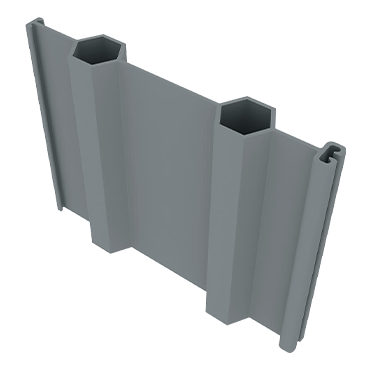
The material's lower density compared to steel (approximately 1.4 g/cm³ versus 7.85 g/cm³) dramatically reduces transportation costs, installation equipment requirements, and structural load demands on supporting structures. This weight advantage enables installation in space-constrained locations where steel alternatives would require heavy machinery creating access challenges or environmental disruption. The modular interlocking mechanism creates effective watertight or soil-tight seals without requiring additional sealant materials that might fail prematurely, enabling straightforward field assembly and replacement of damaged sections.
The inherent corrosion resistance eliminates the electrochemical degradation that destroys steel sheet piles in aggressive environments including saltwater exposure, sulfide-rich soils, and acidic conditions. Unlike steel requiring protective coatings requiring periodic maintenance or replacement as protective systems degrade, vinyl sheet piles maintain structural integrity and performance throughout extended service periods without protective interventions. This fundamental advantage creates revolutionary cost reduction opportunities through elimination of coating maintenance, corrosion inspection protocols, and premature replacement that characterizes steel-based systems.
Installation Methodologies and Construction Advantages
Vinyl sheet piles install through vibratory driving or impact methods equivalent to steel installation practices, enabling deployment of proven construction techniques with existing contractor expertise and equipment. The lighter weight reduces driving forces required compared to steel alternatives, enabling installation with smaller, less expensive equipment reducing project costs and enabling deployment in sensitive environments where heavy machinery would create unacceptable disturbance. The quiet operation compared to impact-driven steel alternatives proves particularly valuable in environmental-sensitive applications or projects adjacent to sensitive receptors including hospitals or educational facilities.
Installation quality improves through reduced vibration and noise generation, enabling construction schedules compatible with environmental permits and community regulations increasingly restricting construction hours and vibration levels. The straightforward interlocking design enables field verification of proper sealing without requiring specialized testing methodologies demanded by steel systems where corrosion and coating degradation create uncertain long-term performance. The material's forgiving response to minor installation imperfections enables tolerant field conditions supporting reliable performance despite minor deviations from theoretical ideals.
Removal and site restoration prove substantially simplified compared to steel alternatives requiring disposal or recycling of heavy scrap material. Vinyl sheet piles disassemble quickly through sequential extraction, enabling material recovery and potential reuse in alternative applications. The lighter weight and simpler logistics reduce demolition costs and timeframes compared to managing massive steel loads requiring specialized transportation and disposal infrastructure.
| Characteristic | Vinyl Sheet Piles | Steel Sheet Piles | Advantage |
| Corrosion Resistance | Excellent | Poor without coating | Vinyl advantage |
| Material Weight | 1.4 g/cm³ | 7.85 g/cm³ | Vinyl advantage |
| Maintenance Requirements | Minimal | Substantial | Vinyl advantage |
| Installation Noise | Low | High | Vinyl advantage |
| Service Life | 50+ years | 30-50 years | Vinyl advantage |
Applications Across Diverse Waterfront Environments
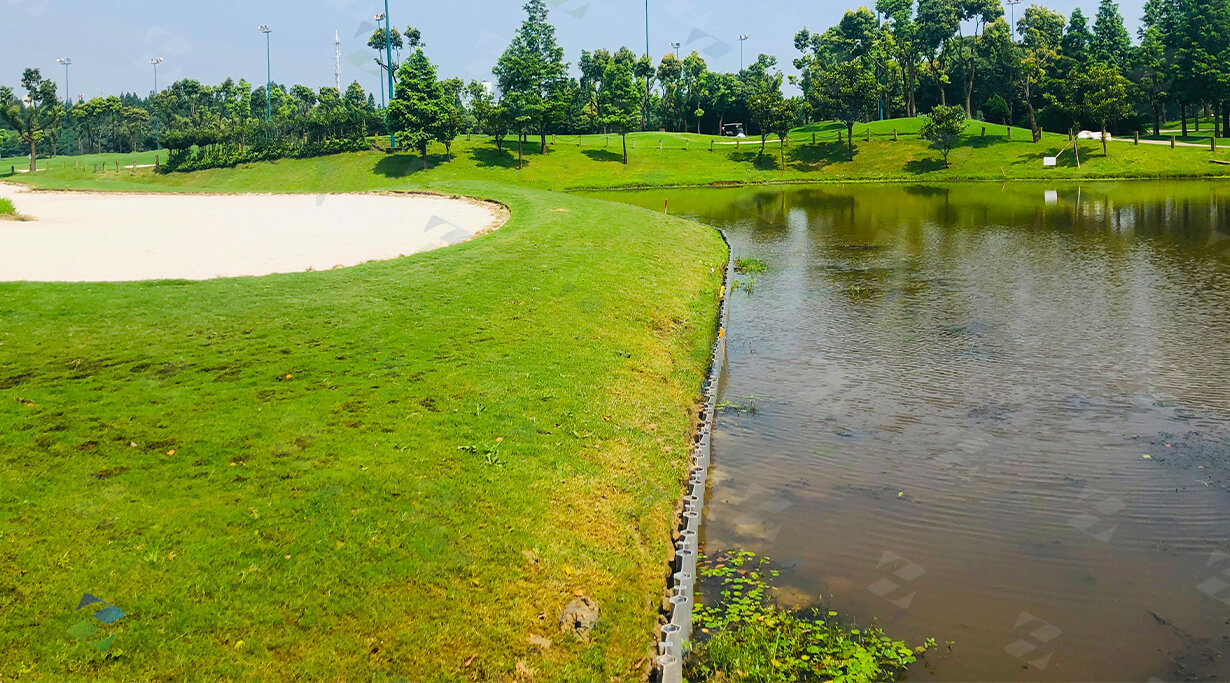
Marine and saltwater applications represent optimal vinyl sheet pile deployments, where corrosive saltwater environments destroy steel alternatives through accelerated electrochemical degradation despite protective coating investments. Marinas, docks, harbors, and coastal structures benefit dramatically from vinyl sheet piles eliminating the recurring maintenance and repair costs that characterize steel installations in marine contexts. Small harbors, residential marinas, and aquaculture facilities achieve dramatically improved economics through elimination of perpetual corrosion management while customers gain confidence in long-term facility reliability and safety.
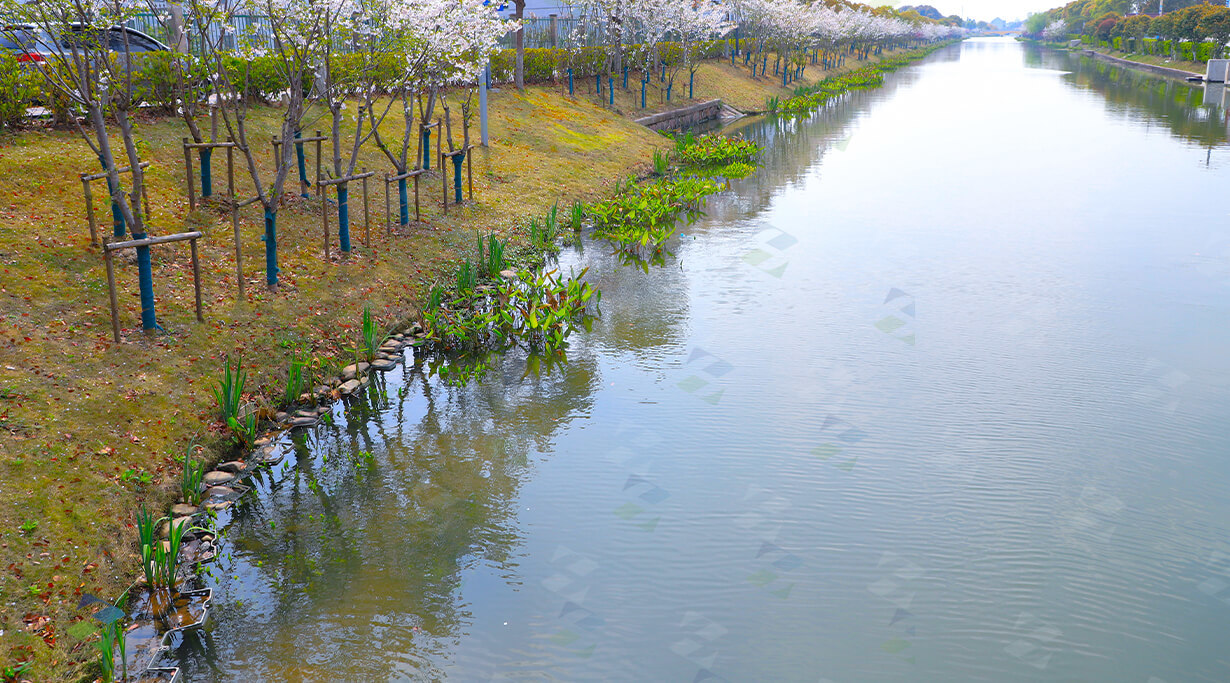
Freshwater applications including retention ponds, canal walls, river stabilization, and environmental remediation projects leverage vinyl sheet piles' chemical resistance and impermeability. Landfill containment systems employ vinyl sheet piles creating leachate barriers while wastewater treatment facilities utilize the material for retention systems requiring chemical compatibility. The environmental tolerance enabling operation in acidic or sulfide-rich conditions enables cost-effective retention in locations where steel alternatives would require accelerated replacement or advanced protective systems.
Temporary and emergency applications benefit substantially from vinyl sheet piles' rapid installation and straightforward deployment. Flood control emergency barriers can deploy quickly using vinyl materials and simple equipment, enabling faster response to disaster situations. Disaster response applications benefit from reduced logistics requirements and simplified installation enabling rapid deployment when time pressures drive decision-making. The environmental sensitivity of rapid mobilization benefits further from vinyl's quiet operation and minimal site disturbance.
Primary Vinyl Sheet Pile Applications
- Marine bulkheads and harbor structures in saltwater environments
- Residential and commercial marinas and waterfront facilities
- Retention ponds and industrial water containment systems
- Landfill leachate barriers and environmental remediation containment
- River and stream bank stabilization projects
- Aquaculture facilities and fish farming operations
- Flood control and emergency containment barriers
Lifecycle Cost Analysis and Economic Advantages
Initial material costs for vinyl sheet piles exceed steel alternatives by 30-50%, representing the primary apparent economic disadvantage when evaluating isolated material pricing. However, comprehensive lifecycle cost analysis incorporating installation expenses, maintenance requirements, protective coating systems, and replacement considerations overwhelmingly demonstrates vinyl sheet pile economic superiority across most applications. Steel installations require protective coatings averaging $50-150 per square meter, with recoating cycles every 5-15 years consuming substantial operational budgets. Vinyl eliminates these recurring expenses entirely, recovering initial material cost premiums within 5-10 years through accumulated maintenance cost avoidance.
Installation cost reductions emerge from lighter material weight enabling smaller equipment, reduced labor requirements, and faster deployment schedules. Equipment rental savings from simplified installation frequently offset 20-30% of material cost premiums within single projects. Accelerated project schedules enable earlier revenue generation or facility deployment, creating financial benefits beyond simple construction cost comparison. Environmental compliance costs decrease through elimination of protective coating materials and waste disposal requirements associated with failed coatings.
Extended service life spanning 50+ years compared to 30-50 years for steel systems creates profound economic advantages when accounting for inflation, discount rates, and opportunity costs of capital expenditure. Replacement avoidance during expected project lifetime eliminates disruption costs, operational interruption, and catastrophic performance failures that characterize aging steel systems. Risk elimination through material degradation avoidance provides unquantified benefits far exceeding simple cost comparison.
Design Considerations and Engineering Practice
Vinyl sheet piles accommodate diverse design applications through various profile configurations optimizing performance for specific load requirements and environmental conditions. Standard profiles handle most applications, while specialized designs address particular engineering challenges including extreme span requirements or unusual loading patterns. Design methodologies employ proven sheet pile engineering principles, with vinyl materials substituted into existing analysis frameworks using material properties replacing steel characteristics. This direct substitution approach enables seamless integration into existing engineering practice without requiring novel design methodologies.
Geotechnical considerations including soil resistance, load distribution, and structural support mechanisms remain equivalent to steel systems, enabling straightforward engineering analysis using established principles. Structural design tools including FEM analysis and traditional hand calculations apply directly to vinyl materials using appropriate material constants. The proven engineering foundation of sheet pile design transfers directly to vinyl applications, eliminating design uncertainty or unusual risk factors.
Sealing and interconnection details require attention to ensure effective seal integrity preventing water or soil migration. The modular interlocking system provides inherent benefits exceeding steel alternatives requiring additional sealant materials. Quality assurance during installation ensures proper interlock seating and confirms absence of gaps that could compromise performance. Professional inspection during installation verifies construction quality and confirms that finished systems meet design specifications.
Environmental Benefits and Sustainability Advantages
Environmental performance advantages emerge from elimination of protective coating systems eliminating chemical contamination risks during application, maintenance, and eventual removal. Vinyl's inherent environmental tolerance prevents the heavy metal contamination characterizing protective coating systems traditionally employed on steel installations. The extended service life reducing replacement frequency minimizes lifecycle environmental impact compared to steel systems requiring material replacement within reasonable planning horizons.
Recycling and end-of-life management prove substantially simplified compared to steel alternatives, with vinyl materials amenable to recovery and reprocessing into alternative applications. The absence of coating contamination enables vinyl recovery and reuse without complex decontamination procedures. Lifecycle assessment studies increasingly demonstrate environmental advantages of vinyl systems over steel alternatives when accounting for material extraction, manufacturing energy, protective system requirements, and ultimate disposal.
Vinyl sheet piles represent transformative technology enabling waterfront construction achieving superior economics, extended service life, and environmental performance compared to traditional steel alternatives. The material advantages eliminating protective coating requirements, reducing installation complexity, and enabling rapid deployment through lightweight construction create compelling value proposition for projects where environmental durability and long-term cost optimization drive decision-making. For waterfront developers, municipalities, and facility operators committed to sustainable infrastructure delivering decades of reliable performance, vinyl sheet piles provide proven solutions transforming project economics while delivering superior environmental stewardship.