English
 中文简体
中文简体
Sep 09,2026
Content
- 1 What Are Vinyl Sheet Piles and How Do They Work
- 2 Key Benefits of Choosing Vinyl Sheet Piles
- 3 Common Applications for Vinyl Sheet Piling
- 4 Vinyl Sheet Pile Profiles and Specifications
- 5 Installation Methods for Vinyl Sheet Piles
- 6 Comparing Vinyl Sheet Piles to Steel and Timber Alternatives
- 7 Maintenance and Long-Term Performance
- 8 Choosing the Right Vinyl Sheet Pile Supplier
Vinyl sheet piles have become one of the most popular solutions for retaining walls, seawalls, bulkheads, and erosion control projects. Unlike traditional steel or timber sheet piling, vinyl sheet piles are engineered from high-strength PVC compounds that resist corrosion, marine borers, and chemical degradation. This makes them an attractive option for property owners, contractors, and municipalities looking for a long-lasting and low-maintenance shoreline protection system. This article explores what vinyl sheet piles are, their advantages, common applications, installation practices, and how to select the right product for a specific project.
What Are Vinyl Sheet Piles and How Do They Work
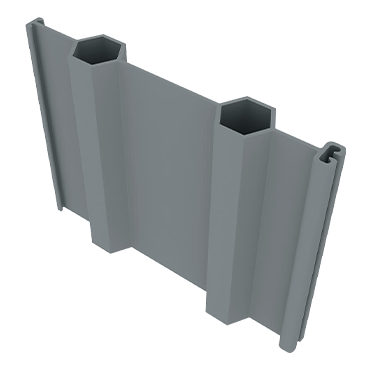
Vinyl sheet piles are interlocking panels made from rigid PVC that are driven vertically into the ground to create a continuous wall. Each panel connects to the next through a tongue-and-groove or ball-and-socket joint system, forming a watertight barrier that holds back soil, water, or fill material. Because the panels interlock tightly, the resulting wall resists lateral pressure while minimizing the flow of soil particles and water through the joints.
The material itself is typically a high-molecular-weight PVC formulated with UV stabilizers and impact modifiers. This composition allows vinyl sheet piles to withstand constant exposure to saltwater, freshwater, and fluctuating weather conditions without rusting, rotting, or splintering. Compared to steel, which requires cathodic protection or coatings to prevent corrosion, vinyl sheet piles are inherently resistant to oxidation and biological attack.
Key Benefits of Choosing Vinyl Sheet Piles
Vinyl sheet piling offers several advantages over traditional materials, which is why it has gained traction in both residential and commercial waterfront construction.
- Corrosion resistance: Vinyl does not rust or oxidize, eliminating the need for protective coatings or cathodic protection systems required by steel.
- Marine borer resistance: Unlike timber, vinyl sheet piles are immune to damage from marine organisms such as shipworms and gribbles.
- Long service life: Manufacturers commonly report design lives of 50 years or more under normal environmental conditions.
- Lightweight installation: Vinyl panels are significantly lighter than steel, reducing equipment requirements and installation labor.
- Low maintenance: Vinyl sheet piles do not require periodic painting, sealing, or chemical treatment.
- Cost efficiency over time: While upfront material costs can be comparable to steel, reduced maintenance and longer service life often lower the total lifecycle cost.
Common Applications for Vinyl Sheet Piling
Vinyl sheet piles are used across a wide range of projects where soil retention or water control is required. Their versatility makes them suitable for both small residential jobs and larger infrastructure work.
Seawalls and Bulkheads
One of the most common uses of vinyl sheet piles is constructing seawalls and bulkheads along lakes, rivers, and coastal properties. These structures protect shorelines from erosion caused by wave action, boat wakes, and tidal movement while maintaining a stable edge for docks and waterfront landscaping.
Retaining Walls
Vinyl sheet piles are also used to build retaining walls that hold back soil on sloped properties, roadway embankments, and construction sites. The interlocking design provides consistent structural support while resisting soil and moisture infiltration over time.
Flood Control and Drainage Structures
Municipalities frequently use vinyl sheet piling for flood control channels, stormwater management systems, and levee reinforcement. The watertight joints help control seepage, which is critical in flood-prone areas.
Temporary Cofferdams
In some construction projects, vinyl sheet piles are used to create temporary cofferdams that allow crews to work in dry conditions near water bodies. Once the work is complete, the panels can sometimes be removed and reused, depending on the project design.
Vinyl Sheet Pile Profiles and Specifications
Vinyl sheet piles are manufactured in various profiles, each offering different structural performance based on wall thickness, section modulus, and interlock design. The table below outlines general specification categories commonly referenced in project planning.
| Profile Type | Typical Thickness | Common Use |
| Light-Duty | 0.5 - 0.6 inches | Residential landscaping walls |
| Medium-Duty | 0.6 - 0.8 inches | Residential seawalls and bulkheads |
| Heavy-Duty | 0.8 - 1.0 inches | Commercial and municipal projects |
| Engineered High-Load | 1.0+ inches | Flood control and infrastructure walls |
Selecting the correct profile depends on soil conditions, wall height, surcharge loads, and expected water pressure. A geotechnical assessment is typically recommended before finalizing the design for larger projects.
Installation Methods for Vinyl Sheet Piles
Proper installation is critical to achieving a stable and long-lasting vinyl sheet pile wall. The process generally follows a consistent sequence, though specific techniques may vary based on soil type and site conditions.
- Site preparation: Clearing vegetation, debris, and obstructions along the alignment path.
- Alignment and guide walers: Setting up temporary guide frames to keep panels straight and plumb during driving.
- Driving the panels: Using vibratory hammers or impact hammers to drive interlocking panels into the ground sequentially.
- Capping and anchoring: Installing a concrete or vinyl cap along the top of the wall, along with tie-back anchors if additional lateral support is needed.
- Backfilling: Placing and compacting backfill material behind the wall once the structure is secured.
Because vinyl sheet piles are lighter than steel, they typically require smaller driving equipment, which can reduce mobilization costs and make installation more practical on sites with limited access.
Comparing Vinyl Sheet Piles to Steel and Timber Alternatives
When planning a shoreline or retaining wall project, it is useful to compare vinyl sheet piles against traditional materials to understand the trade-offs in performance and cost.
| Material | Corrosion Resistance | Typical Lifespan | Maintenance Needs |
| Vinyl | Excellent | 50+ years | Minimal |
| Steel | Poor without coating | 25 - 40 years | Regular coating and inspection |
| Timber | Poor, prone to rot | 10 - 20 years | Frequent treatment and repair |
While steel offers higher load-bearing capacity for very demanding structural applications, vinyl sheet piles are often the more practical choice for residential and moderate-load commercial projects due to their durability and reduced long-term upkeep.
Maintenance and Long-Term Performance
One of the strongest selling points of vinyl sheet piles is their minimal maintenance requirement. Because the material does not corrode or rot, routine inspections are typically limited to checking for physical damage from impacts, ice movement, or extreme storm events. Property owners should periodically inspect the top cap and joints for signs of shifting, and confirm that backfill material has not eroded from behind the wall.
In colder climates, ice loading can place additional stress on sheet pile walls. Selecting a profile with adequate section modulus and ensuring proper anchoring during installation helps mitigate this risk. Overall, well-installed vinyl sheet pile walls require significantly less intervention over their service life compared to steel or timber systems.
Choosing the Right Vinyl Sheet Pile Supplier
Selecting a reputable supplier is essential to ensuring product quality and long-term wall performance. Buyers should evaluate suppliers based on the following factors.
- Material certification: Confirm that the PVC formulation meets recognized industry standards for UV resistance and impact strength.
- Profile availability: Ensure the supplier offers a profile suited to the specific load and soil conditions of the project.
- Engineering support: Look for suppliers that provide structural design assistance or can connect buyers with qualified engineers.
- Warranty terms: Compare warranty length and coverage details across manufacturers.
- Installation experience: Choose contractors with documented experience installing vinyl sheet pile systems in similar site conditions.
Working with an experienced supplier and installer reduces the risk of design errors and ensures the finished wall performs as expected under real-world conditions.
Vinyl sheet piles offer a durable, low-maintenance alternative to traditional steel and timber sheet piling systems. Their resistance to corrosion, marine organisms, and chemical degradation makes them well suited for seawalls, bulkheads, retaining walls, and flood control structures. By understanding profile options, installation requirements, and supplier considerations, property owners and contractors can select the right vinyl sheet pile solution for a stable, long-lasting waterfront or retaining structure.