English
 中文简体
中文简体
Sep 21,2026
Content
- 1 What Are PVC Sheet Piles and How Do They Work in Marine Environments?
- 2 Why Marine Environments Demand a Different Approach to Sheet Piling
- 3 Key Advantages of PVC Sheet Piles in Marine Construction
- 4 PVC Sheet Piles vs. Steel and Concrete: A Practical Comparison
- 5 Typical Marine Construction Applications for PVC Sheet Piles
- 6 Understanding the Structural Limitations and Design Considerations
- 7 Evaluating Total Cost of Ownership for Marine PVC Sheet Pile Projects
What Are PVC Sheet Piles and How Do They Work in Marine Environments?
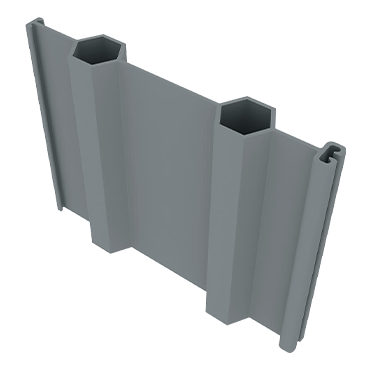
PVC sheet piles are interlocking structural panels extruded from rigid polyvinyl chloride compounds, designed to be driven or vibrated into soil to form continuous retaining walls, flood barriers, bulkheads, and cofferdams. Unlike traditional sheet pile materials such as steel or precast concrete, PVC sheet piles derive their structural performance from geometry rather than mass — their cross-sectional profiles, which include Z-shapes, U-shapes, and flat-web configurations, are engineered to maximize the section modulus and moment of inertia relative to material volume, allowing relatively lightweight panels to resist significant lateral earth and water pressures.
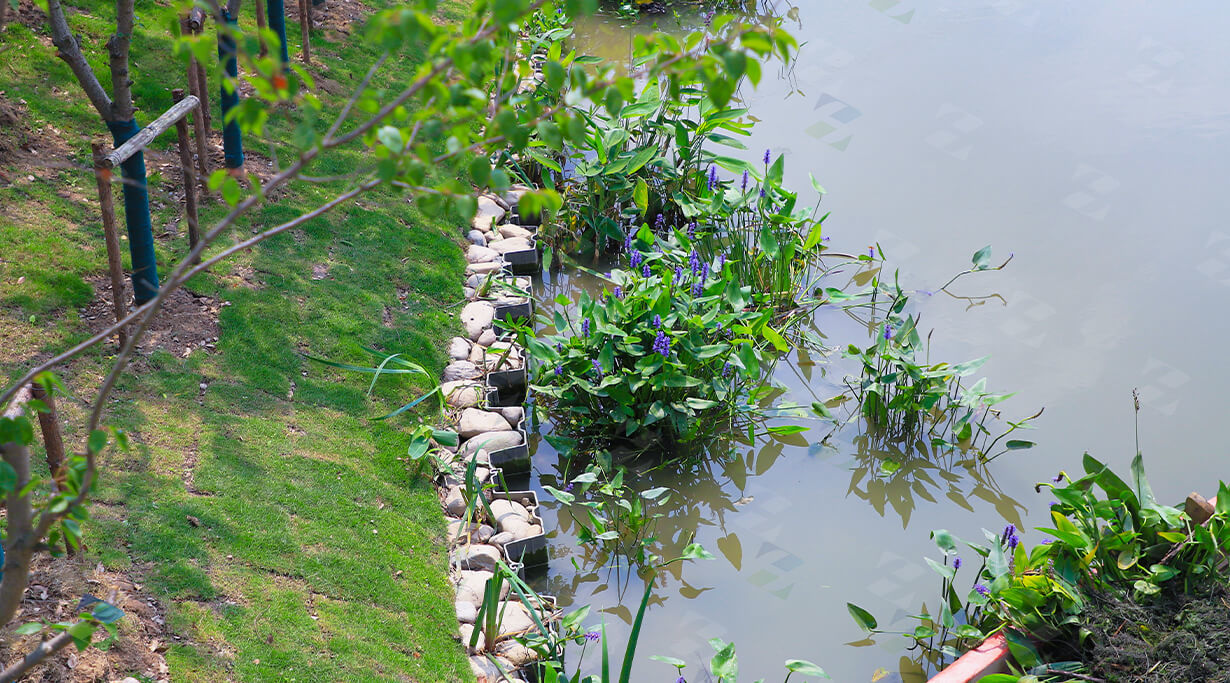
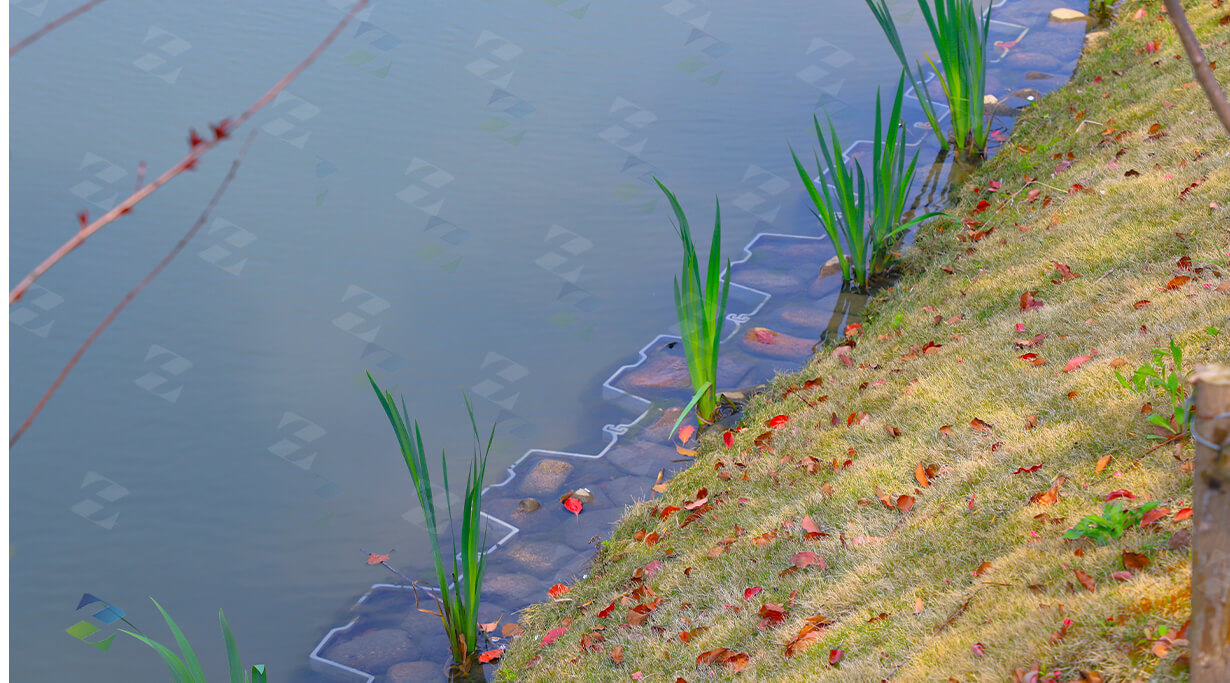
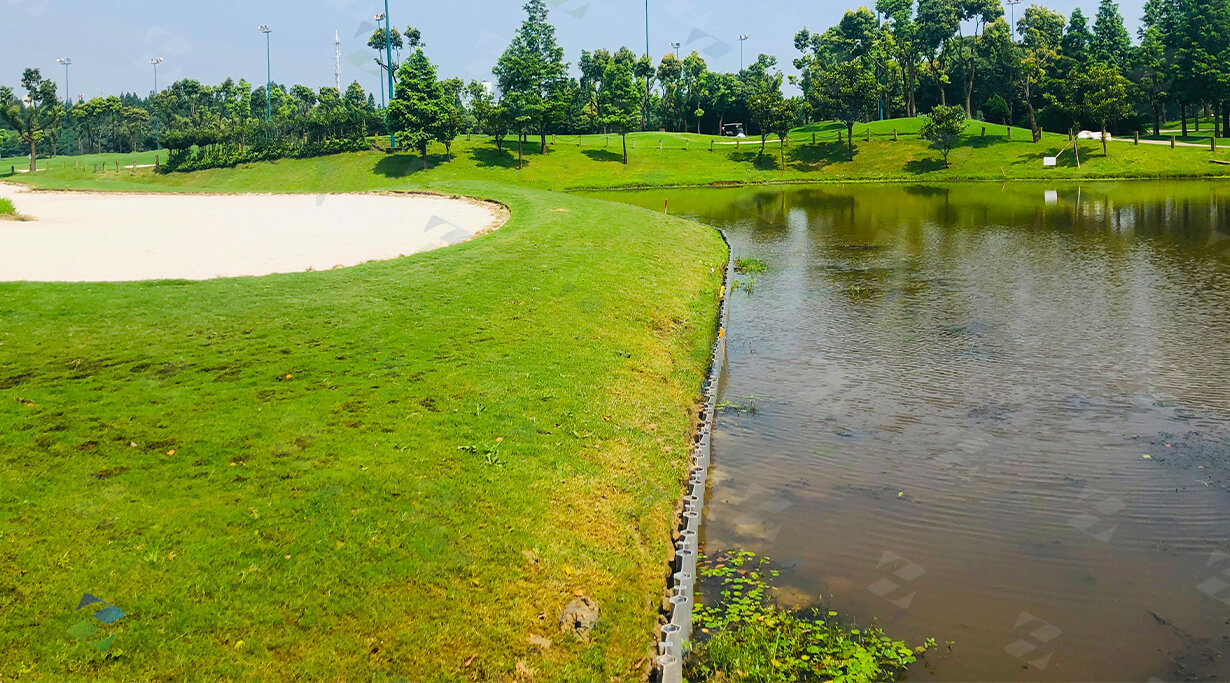
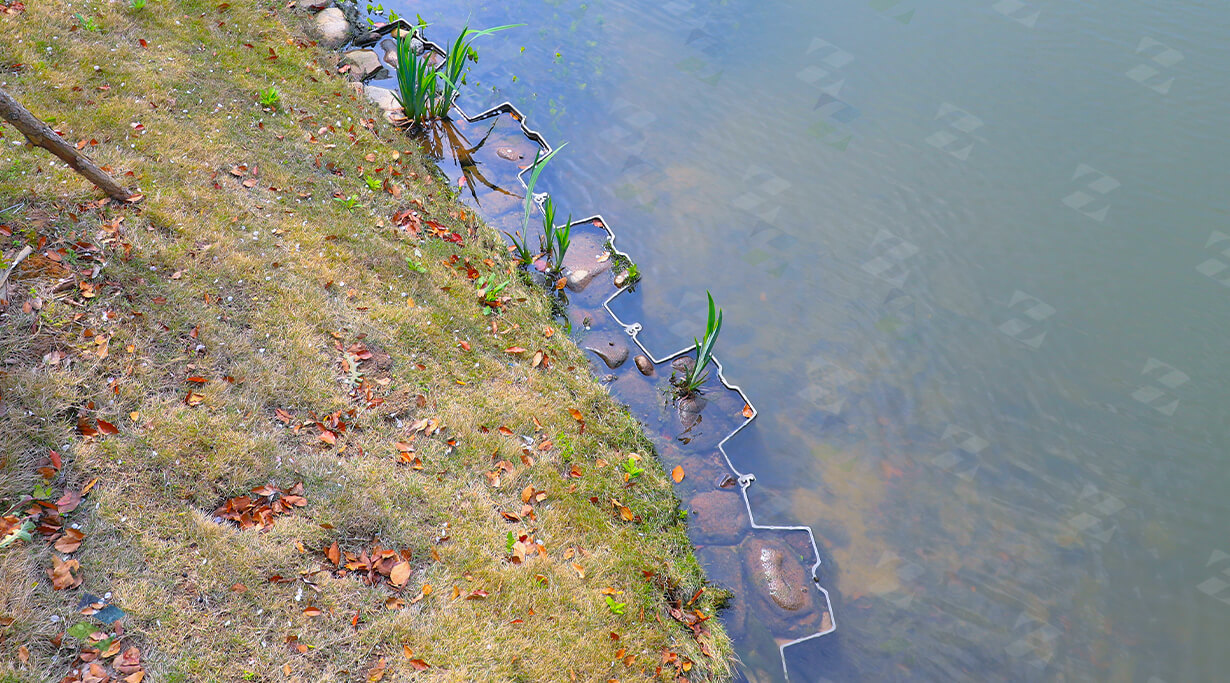
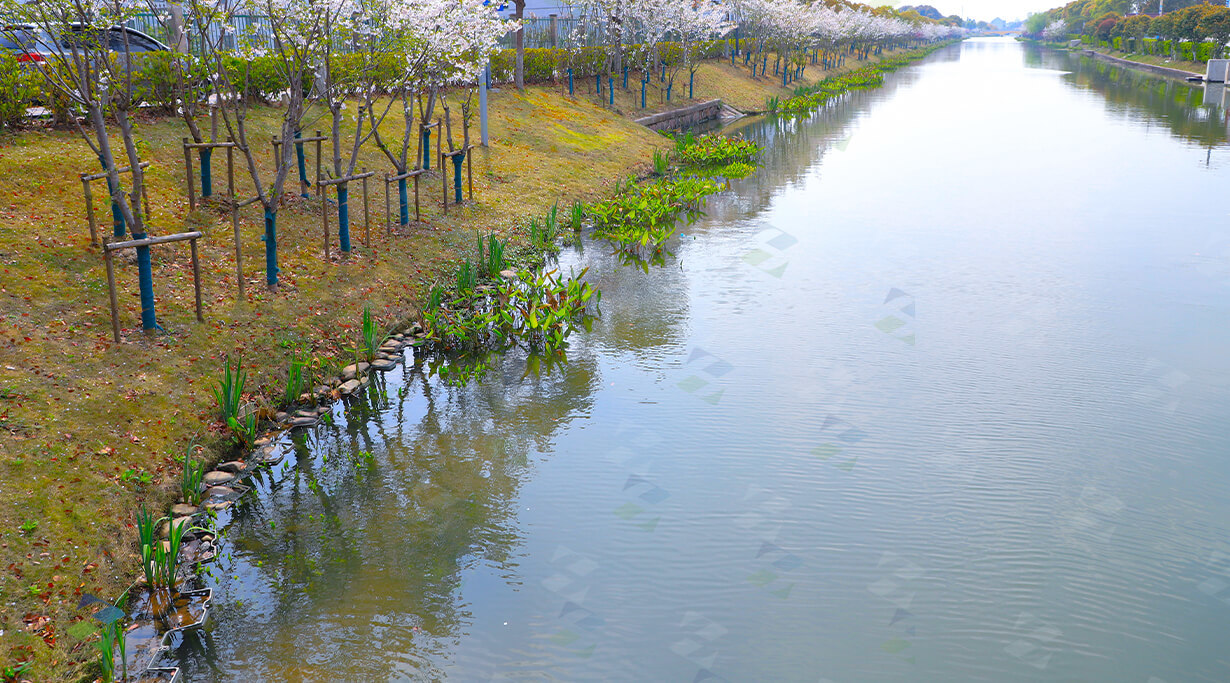
In marine construction specifically, PVC sheet piles are installed along shorelines, riverbanks, harbor edges, boat ramps, seawalls, and tidal embankments. The interlocking tongue-and-groove connections between adjacent panels create a continuous barrier that resists both soil pressure from behind and hydrostatic pressure from water on either face. The connection geometry is critical: well-designed PVC interlock profiles maintain positive engagement even as individual panels deflect under load, preventing gaps from opening and water or soil from infiltrating through the wall.
Why Marine Environments Demand a Different Approach to Sheet Piling
Marine environments present a combination of degradation mechanisms that severely challenge conventional sheet pile materials. Steel sheet piles — the historical default for marine retaining structures — are highly susceptible to corrosion in saltwater and brackish water environments. The electrochemical corrosion process is accelerated in the tidal and splash zone, where the pile alternates between wet and dry conditions and where dissolved oxygen levels are highest. Unprotected steel in aggressive coastal environments can lose 0.1–0.3 mm of section thickness per year through corrosion, requiring regular inspection, cathodic protection systems, and periodic recoating to maintain structural integrity over a 50-year design life.
Concrete sheet piles avoid the corrosion issue but introduce their own limitations in marine applications. Chloride ion penetration through the concrete matrix eventually reaches the steel reinforcement, initiating corrosion-induced expansion that cracks and spalls the concrete cover — a process known as chloride-induced reinforcement corrosion that is responsible for billions of dollars in annual maintenance costs to coastal infrastructure globally. Concrete piles are also heavy, requiring significant lifting and driving equipment, and their brittleness makes them susceptible to damage during driving in obstructed or variable ground conditions.
PVC sheet piles sidestep both of these failure modes entirely. PVC does not corrode, does not require cathodic protection, and contains no reinforcement susceptible to chloride attack. This makes them inherently suited to the marine environment in a way that steel and concrete are not.
Key Advantages of PVC Sheet Piles in Marine Construction
Corrosion and Chemical Resistance
Rigid PVC is inherently resistant to saltwater, brackish water, tidal fluctuation, and the wide range of chemicals found in port and industrial waterfront environments — including diesel fuel, lubricating oils, mild acids, and alkalis. The material does not rust, rot, or delaminate, and its resistance to marine biological fouling — including attack by marine borers such as Teredo worms that devastate untreated timber piling — eliminates one of the most insidious forms of structural degradation in tropical and subtropical marine environments. Properly formulated PVC compounds with UV stabilizers and impact modifiers maintain their mechanical properties and surface integrity for design service lives of 50 years or more in continuous marine exposure.
Lightweight and Ease of Installation
PVC sheet piles weigh approximately 2–5 kg per linear meter of wall height, compared to 50–150 kg/m for equivalent steel sections. This dramatic difference in weight has significant practical consequences for marine construction logistics. PVC panels can be transported to remote or water-access-only sites by small barge or even by hand in confined locations. They can be installed by smaller, lighter driving or vibrating equipment that can operate from floating platforms, narrow access ways, or directly from the shoreline without heavy crane support. Installation crews can handle and position panels manually, reducing equipment mobilization costs and enabling work in locations where large machinery cannot access.
Low Maintenance Over the Service Life
The combination of corrosion immunity and biological resistance translates directly into maintenance cost savings over the operational life of a marine structure. Steel sheet pile walls in aggressive marine environments typically require inspection every 3–5 years, recoating of anti-corrosion systems every 10–15 years, and cathodic protection system maintenance throughout their service life. PVC sheet pile walls, by contrast, require no protective coatings, no cathodic protection, and minimal routine maintenance — periodic inspection to verify structural condition and interlock integrity is generally sufficient. Over a 40–50 year service life, the maintenance cost differential between steel and PVC marine structures can exceed the initial material cost advantage of steel.
PVC Sheet Piles vs. Steel and Concrete: A Practical Comparison
| Property | PVC Sheet Pile | Steel Sheet Pile | Concrete Sheet Pile |
| Corrosion resistance | Excellent (inherent) | Poor (requires protection) | Moderate (rebar risk) |
| Weight | Very light (2–5 kg/m) | Heavy (50–150 kg/m) | Very heavy |
| Installation ease | High | Moderate | Low |
| Maintenance requirements | Minimal | High (coating, cathodic) | Moderate |
| Structural capacity | Moderate | Very high | High |
| Service life (marine) | 50+ years | 25–40 years (protected) | 30–50 years |
Typical Marine Construction Applications for PVC Sheet Piles
PVC sheet piles have established a proven track record across a range of marine and waterfront construction scenarios. Their applicability is best matched to low-to-medium retaining height applications — typically walls up to 4–6 meters in retained height — where the structural demands fall within the capacity range of available PVC profiles. Within this envelope, they are versatile and effective across multiple project types:
- Seawalls and coastal erosion control: PVC sheet pile seawalls protect shorelines from wave action and tidal erosion. Their smooth surface deflects wave energy effectively, and the interlock system maintains wall continuity even as differential settlement occurs in soft coastal soils.
- Marina and boat ramp bulkheads: Marinas require retaining structures along their edges that will remain structurally sound and visually acceptable despite continuous saltwater exposure and boat wash. PVC sheet piles require no painting or anti-fouling treatment and maintain their appearance over long service periods without the rust staining associated with aging steel structures.
- Canal and riverbank retention: Waterway management projects frequently require bank stabilization along lengths of canal or river that are difficult and expensive to access with heavy equipment. PVC sheet piles' light weight and manual handling capability make them practical for these linear, access-constrained applications.
- Flood defense barriers: Temporary and permanent flood defense applications use PVC sheet piles to create barriers along low-lying waterfront areas. Their speed of installation and re-usability in temporary applications provide logistical advantages over concrete or steel alternatives in emergency flood protection scenarios.
- Cofferdams for underwater construction: PVC sheet piles are used to form temporary cofferdams that allow construction to proceed in the dry within a dewatered enclosure. After construction is complete, the panels can be extracted and reused on subsequent projects, reducing overall material costs.
Understanding the Structural Limitations and Design Considerations
While PVC sheet piles offer compelling advantages in marine environments, a clear understanding of their structural limitations is essential for appropriate specification. PVC has a modulus of elasticity of approximately 2,800–3,500 MPa — roughly 60–70 times lower than structural steel. This means PVC sheet pile walls deflect more under equivalent lateral loading than steel walls of comparable geometry, and the maximum practical retained height without tie-back anchoring or waling systems is lower than for steel. Designers must account for higher deflections in serviceability calculations and ensure that the deflection under design load is acceptable for the specific application.
Driving and installation in hard or obstructed ground conditions requires particular care. PVC panels are more susceptible to damage during hard driving than steel, and driving through gravelly soils, cobbles, or fills containing demolition rubble can split or crack PVC profiles. Site investigation to characterize the soil profile prior to design is therefore more critical for PVC sheet pile projects than for steel, and pre-augering through hard layers may be necessary to allow PVC panels to reach their design embedment depth without damage.
Thermal expansion is another design consideration that does not apply to steel or concrete structures to the same degree. PVC has a coefficient of thermal expansion approximately five times higher than steel. In long, continuous walls exposed to significant temperature variation — particularly in applications where the wall surface is exposed to direct solar radiation in summer — thermal expansion joints should be incorporated to prevent buckling or interlock stress at panel connections.
Evaluating Total Cost of Ownership for Marine PVC Sheet Pile Projects
The true economic case for PVC sheet piles in marine construction is best evaluated on a total cost of ownership basis rather than initial material cost alone. The initial material cost of PVC sheet piles is typically higher than equivalent steel sections on a per-panel basis in regions where steel is competitively priced. However, this material cost premium is frequently offset or reversed when the full project economics are considered:
- Reduced equipment mobilization costs due to lighter installation plant requirements, particularly significant on remote or water-access-only marine sites
- Elimination of corrosion protection system costs — primer, intermediate and topcoat painting, and cathodic protection installation — which can add 15–30% to steel sheet pile project costs in marine environments
- Elimination of ongoing maintenance costs for inspection, recoating, and cathodic protection system maintenance over the 40–50 year service life
- Potential for panel recovery and reuse in temporary cofferdam applications, recovering a significant proportion of the initial material investment
- Reduced end-of-life disposal costs compared to painted or coated steel, which may require specialist disposal as a contaminated material
For marine projects with retained heights within the structural capacity range of PVC profiles, where the environment is corrosive and maintenance access is limited, PVC sheet piles consistently deliver lower lifecycle costs than steel alternatives while matching or exceeding the service life of the structure they protect. This combination of corrosion immunity, installation efficiency, and maintenance-free performance explains why PVC sheet piles have moved from a niche alternative to a mainstream specification choice in marine construction worldwide.