English
 中文简体
中文简体
Oct 01,2026
Content
- 1 What Are Vinyl Sheet Piles And How They Are Used
- 2 Key Advantages Of Vinyl Sheet Piles Over Traditional Materials
- 3 Common Applications For Vinyl Sheet Piles
- 4 Key Factors To Consider Before Selecting Vinyl Sheet Piles
- 5 Installation Considerations For Vinyl Sheet Piling
- 6 Maintenance Practices For Long-Term Performance
What Are Vinyl Sheet Piles And How They Are Used
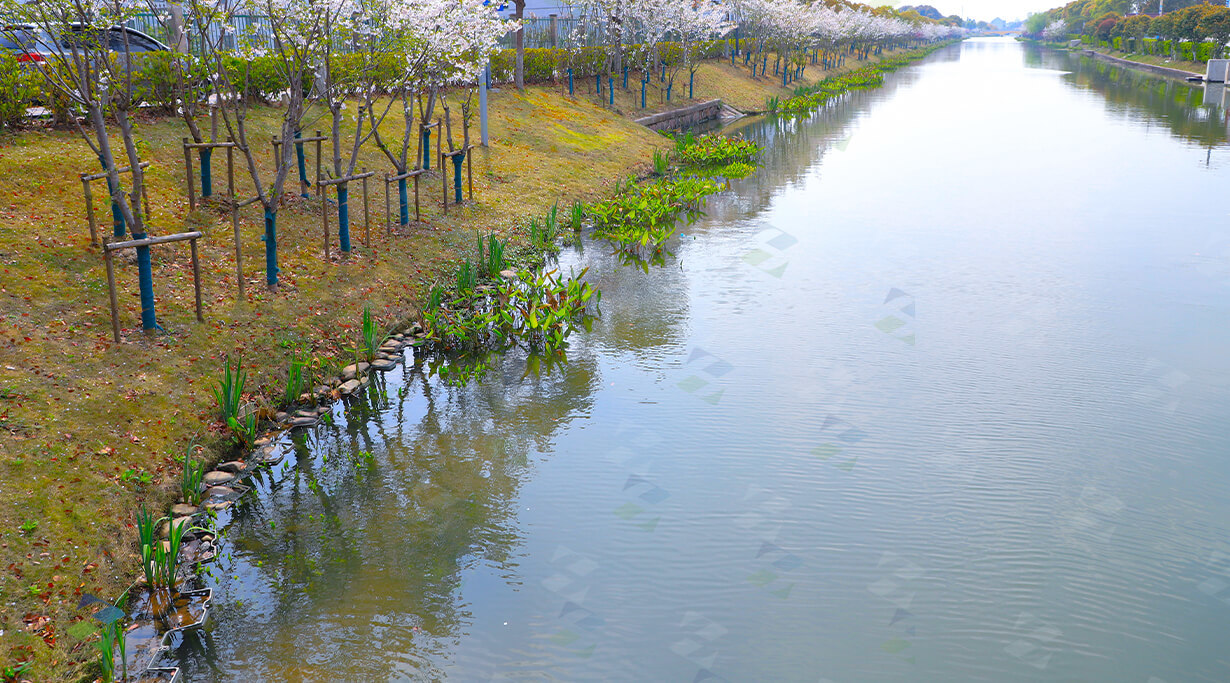
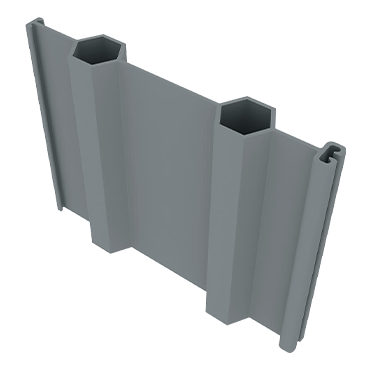
Vinyl sheet piles are interlocking panels made from PVC or a similar polymer compound, driven vertically into the ground to create a continuous retaining wall used for soil retention, erosion control, and water barrier applications. Each panel connects to adjacent panels through an interlocking joint system, forming a continuous wall once installed that resists soil movement and, in many cases, water infiltration as well. This construction method has become an increasingly popular alternative to traditional steel and timber sheet piling, particularly for projects where corrosion resistance and long-term durability are priorities.
Because vinyl does not rust or rot in the way that steel and wood materials do, vinyl sheet piles are especially well suited for applications involving prolonged exposure to water, saltwater, or corrosive soil conditions. This makes them a common choice for waterfront property owners, municipalities managing shoreline erosion, and contractors working on marine and freshwater construction projects where material longevity directly affects long-term maintenance costs.
Key Advantages Of Vinyl Sheet Piles Over Traditional Materials
Vinyl sheet piling offers several practical advantages when compared to steel and timber alternatives, which explains its growing adoption across a range of construction and erosion control projects.
Corrosion And Rot Resistance
Unlike steel sheet piles, which require ongoing protection against rust, or timber piles, which are susceptible to rot and marine organism damage, vinyl sheet piles are inherently resistant to both corrosion and biological decay. This property significantly reduces the long-term maintenance burden associated with the retaining wall, particularly in wet or marine environments where these degradation processes tend to accelerate.
Lighter Weight And Easier Handling
Vinyl sheet piles are considerably lighter than steel panels of comparable size, which can simplify transportation, handling, and installation logistics, particularly for projects with limited site access or where heavy equipment use needs to be minimized. This lighter weight can also translate into lower installation costs, since smaller or less specialized equipment may be sufficient for driving the panels into place.
Long-Term Cost Efficiency
While the upfront material cost of vinyl sheet piles can be comparable to or sometimes higher than steel, the reduced need for coatings, cathodic protection systems, and ongoing corrosion-related maintenance often results in lower total lifecycle costs, particularly for projects with an expected service life measured in decades rather than years.
| Material | Corrosion Resistance | Relative Weight | Maintenance Needs |
| Vinyl | Excellent | Light | Low |
| Steel | Requires coating/protection | Heavy | Moderate to high |
| Timber | Poor (rot-prone) | Moderate | High |
Common Applications For Vinyl Sheet Piles
Vinyl sheet piling is used across a range of applications where soil retention, erosion control, or water containment are primary project goals.
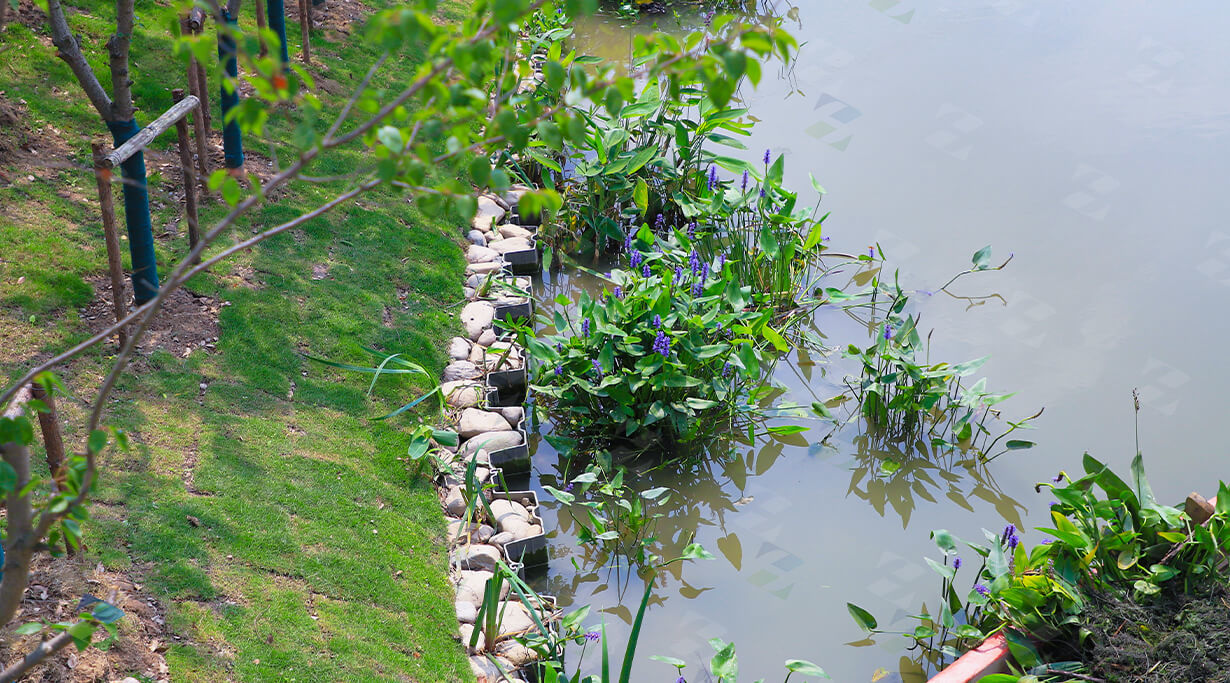
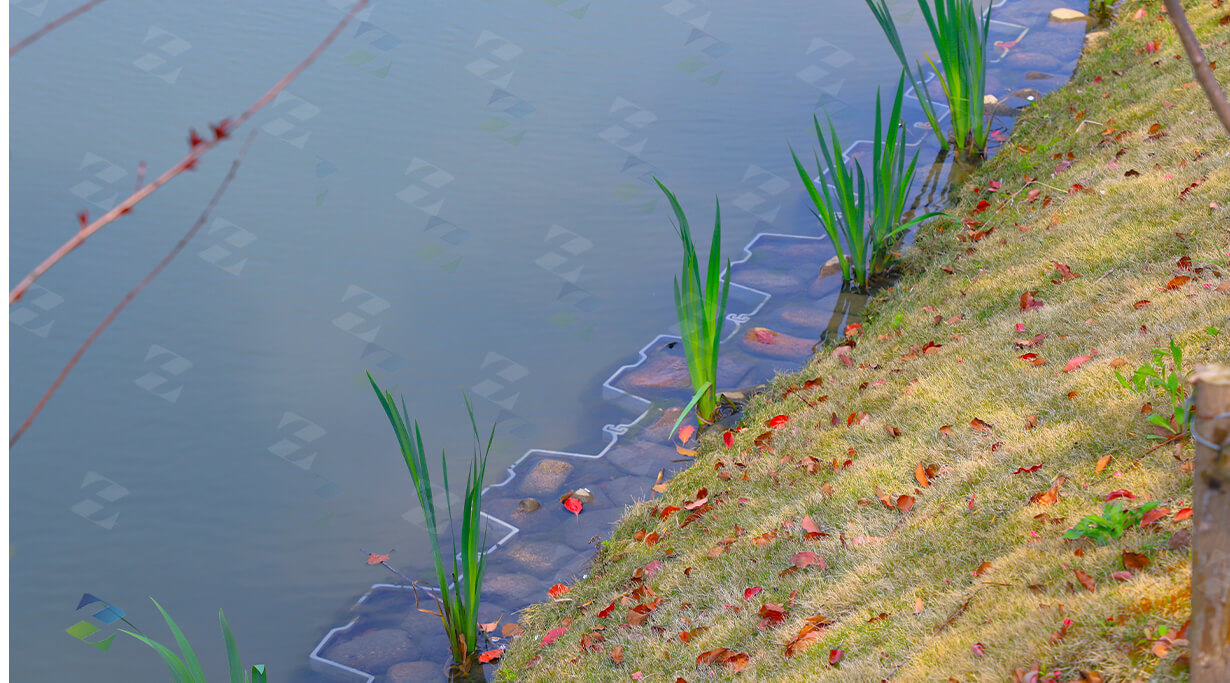
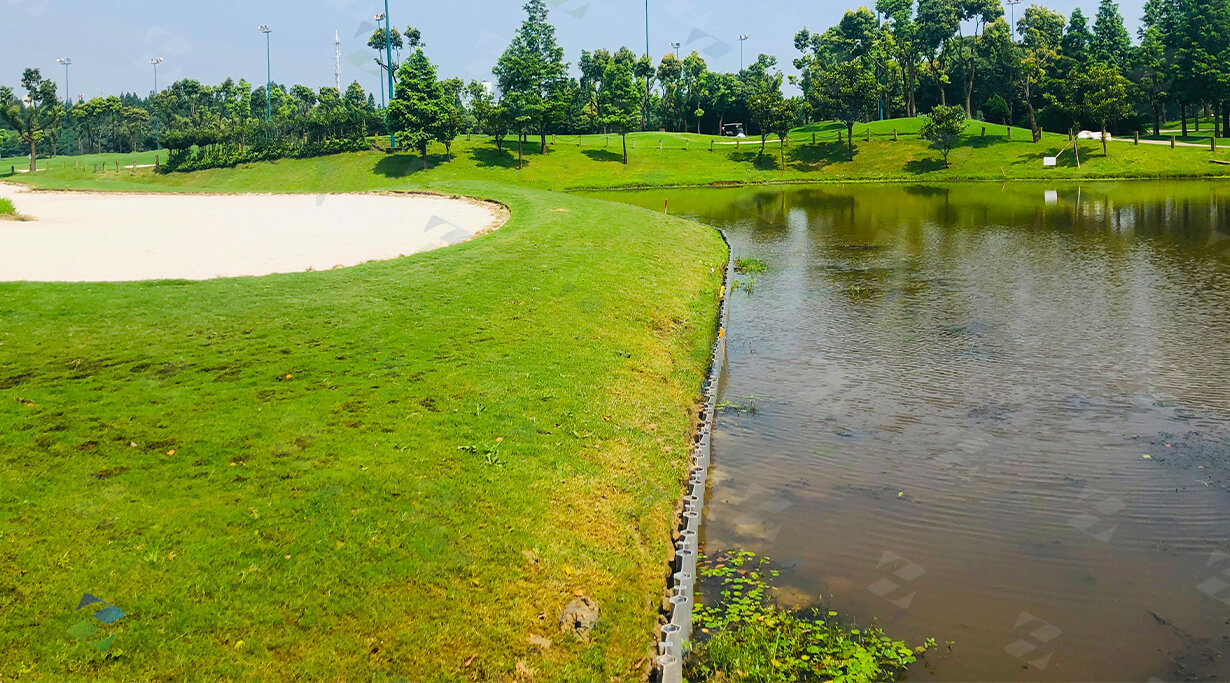
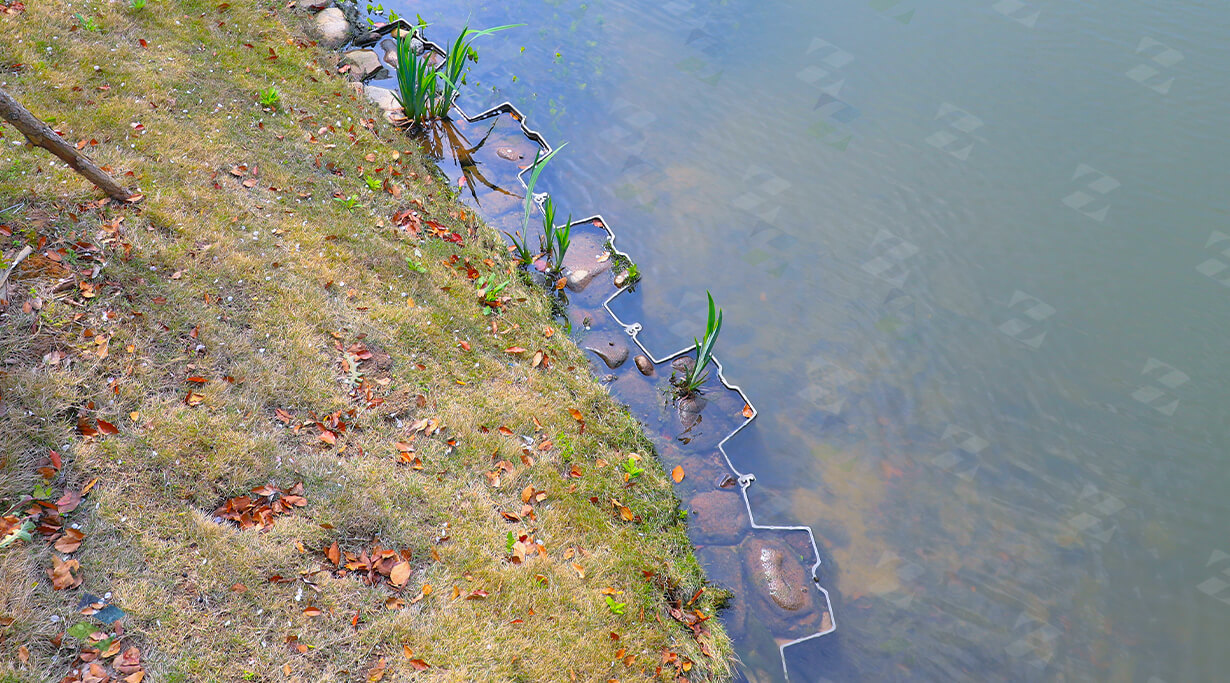
- Shoreline stabilization and erosion control along lakes, rivers, and coastal properties, where vinyl's water and corrosion resistance provide long-term protection against ongoing soil loss.
- Bulkhead and seawall construction, particularly for residential waterfront properties seeking a durable, lower-maintenance retaining wall solution.
- Boat dock and marina construction, where vinyl sheet piles support surrounding soil while resisting the corrosive effects of constant water exposure.
- Flood control and levee systems, where vinyl panels help create water barriers that reduce the risk of soil erosion during flood events.
- Retaining walls for landscaping and site grading, where vinyl sheet piles provide a durable structural solution for managing elevation changes on a property.
Key Factors To Consider Before Selecting Vinyl Sheet Piles
While vinyl sheet piles offer clear advantages for many applications, several factors should be evaluated before committing to this material for a specific project.
- Soil conditions and load requirements, since vinyl sheet piles generally have lower structural strength than steel and may not be suitable for projects requiring very high load-bearing capacity.
- Expected wall height, since taller retaining walls typically require thicker panels or additional structural reinforcement to safely manage the increased soil pressure.
- UV exposure and expected service life, since panel formulations vary in their UV stabilizer content, which affects long-term resistance to sun-related material degradation.
- Local building codes and permitting requirements, particularly for waterfront or shoreline projects that may be subject to specific environmental regulations.
- Panel interlock design, since different manufacturers use different joint configurations that can affect both installation ease and the wall's overall water-tightness.
Installation Considerations For Vinyl Sheet Piling
Proper installation is essential to achieving the full performance benefits of a vinyl sheet pile wall. Panels are typically driven into the ground using vibratory or impact hammers sized appropriately for vinyl material, since equipment calibrated for steel piling can potentially damage the lighter, more flexible vinyl panels if not properly adjusted.
Maintaining proper panel alignment during installation is particularly important for vinyl sheet piles, since misaligned panels can create gaps in the interlocking joint system that compromise the wall's water-tightness and structural continuity. For taller walls or those subject to significant soil or water pressure, additional structural support systems, such as tie-back anchors or a supporting wale system, are often incorporated into the design to help the vinyl panels manage loads beyond what the material could support on its own.
Maintenance Practices For Long-Term Performance
One of the primary benefits of vinyl sheet piling is its relatively low maintenance requirement compared to steel or timber alternatives, but periodic inspection still supports long-term wall performance. Regular visual inspection can help identify any panel movement, joint separation, or visible cracking that may develop over time, particularly following significant weather events or unusual water level changes.
Checking for signs of soil erosion or undermining behind or beneath the wall is also important, since even a durable vinyl panel system cannot compensate for soil loss occurring around its base if drainage or site grading issues are not addressed. In most cases, vinyl sheet piles do not require painting, sealing, or corrosion treatment, which represents a significant maintenance advantage over steel systems, though keeping the wall surface clear of excessive debris or vegetation growth helps preserve both its appearance and its ability to be properly inspected over time.
By carefully evaluating site-specific soil conditions, structural requirements, and long-term performance expectations, property owners and contractors can determine whether vinyl sheet piles are the right choice for their retaining wall or erosion control project, gaining a durable, low-maintenance solution that performs reliably across many years of exposure to water and challenging soil conditions.