English
 中文简体
中文简体
Oct 20,2026
Content
What Vinyl Sheet Piles Are and How They Work
Vinyl sheet piles are interlocking structural panels extruded from polyvinyl chloride (PVC) compounds and driven or vibrated into soil to form continuous walls. Like their steel counterparts, individual sections connect through tongue-and-groove or Z-lock interlocks along each edge, creating a sealed barrier that resists soil and hydrostatic pressure. Unlike steel, the PVC material is inherently resistant to corrosion, electrochemical degradation, and marine biological attack — properties that make it particularly well-suited to waterfront, coastal, and chemically aggressive environments.
The structural performance of a vinyl sheet pile wall depends on the section modulus of the chosen profile, the embedment depth, the backfill or soil conditions, and whether the wall is cantilevered or supported by tie rods and deadman anchors. PVC extrusion technology has advanced significantly since the 1980s, and modern vinyl sheet piles can achieve section moduli ranging from approximately 10 cm³/m for light seawall panels to over 130 cm³/m for heavy-duty retaining wall profiles — figures that position them competitively against light and medium steel sections for many civil and marine applications.
Profile Types and What Each Is Designed For
Vinyl sheet pile manufacturers produce several distinct profile geometries, each optimized for a different load regime and installation condition. Selecting the correct profile is the first and most consequential technical decision in any vinyl sheet pile project.
Z-Profile (or Z-Pile)
Z-profiles are the most common choice for retaining walls and bulkheads subject to significant lateral earth pressure. The Z-shaped cross-section places material at maximum distance from the neutral axis, producing a high section modulus relative to weight. This geometry is analogous to the wide-flange I-beam principle and makes Z-piles the preferred option when wall height exceeds 1.5 m or when retained soil includes granular fill with high internal friction angles. Typical Z-pile section moduli range from 35 to 130 cm³/m depending on wall thickness and profile depth.
Flat-Web (or Straight-Web) Profile
Flat-web profiles produce a smooth, flush wall face on one or both sides, making them suitable for applications where aesthetics matter or where the wall surface must interface with another structure. Seawall caps, decorative pond liners, and residential retaining walls alongside hardscaping frequently use flat-web sections. Their section modulus is lower than equivalent-weight Z-piles, so flat-web profiles are generally limited to low-height walls with modest surcharge loading.
Arch and Omega Profiles
Arch-shaped and omega-shaped profiles distribute lateral loads through curvature rather than section depth, making them efficient in compression-dominated scenarios such as circular cofferdams or curved seawall alignments. These profiles are less common but offer installation advantages in tight-radius layouts where Z-piles would require complex corner fabrication. Wall thicknesses in arch profiles typically range from 6 mm to 10 mm, and the curved geometry improves resistance to local buckling under point loads.
Vinyl vs. Steel vs. Concrete: A Practical Comparison
Material selection for sheet pile walls involves weighing structural capacity, service life, installation cost, and long-term maintenance obligations. The table below summarizes the most relevant differentiators for projects where all three materials are technically viable.
| Criteria | Vinyl (PVC) | Steel | Concrete |
|---|---|---|---|
| Corrosion resistance | Excellent (no treatment needed) | Poor without coating or cathodic protection | Moderate (rebar corrosion risk) |
| Section modulus range | 10–130 cm³/m | 100–3,000+ cm³/m | High but site-dependent |
| Installation weight | Light (manual handling feasible) | Heavy (crane required) | Very heavy |
| Service life (marine) | 50+ years (UV-stabilized grades) | 25–40 years (maintained) | 30–50 years |
| Maintenance cost | Low | High (recoating, inspections) | Moderate |
| Suitable wall height | Up to ~5 m (cantilevered) | Virtually unlimited | Virtually unlimited |
The data makes clear that vinyl sheet piles occupy a well-defined niche: low-to-medium height walls in corrosive or marine environments where long service life and low maintenance costs justify the higher material cost per unit compared to equivalent steel sections. For walls exceeding 5 m in retained height, or where heavy surcharge loads from roads or structures are present, steel or concrete remains the technically correct choice.
Installation Methods and Soil Compatibility
Vinyl sheet piles are installed using vibratory hammers, hydraulic press-in machines, or — in soft soils — by direct hydraulic pushing. Because PVC has a lower modulus of elasticity than steel (approximately 3,000 MPa for rigid PVC versus 200,000 MPa for steel), vinyl piles are more susceptible to damage from impact driving and should not be installed with drop hammers or diesel impact hammers unless the manufacturer explicitly approves this method for the specific product.
Soil conditions significantly influence installation success. Vinyl sheet piles perform well in soft to medium-dense soils including soft clay, silt, loose sand, and organic fills. In dense granular soils (relative density above 70%) or soils containing gravel, cobbles, or obstructions, pre-augering or jetting may be required to reach design embedment depth without overstressing the pile section. Hard pan, rock, and cemented soils are generally incompatible with vinyl pile installation without pre-drilling, which adds cost and time.
Panel alignment during installation is critical to interlock engagement. Driving a panel out of plumb by more than 1–2 degrees per metre of depth can cause the interlock to disengage from the adjacent panel, compromising the wall's ability to resist hydrostatic pressure. Experienced installers use guide frames clamped to previously driven panels to maintain alignment throughout the driving sequence.
Applications Where Vinyl Sheet Piles Excel
Several project types consistently favour vinyl sheet piles over alternative materials based on their environmental durability and installation characteristics.
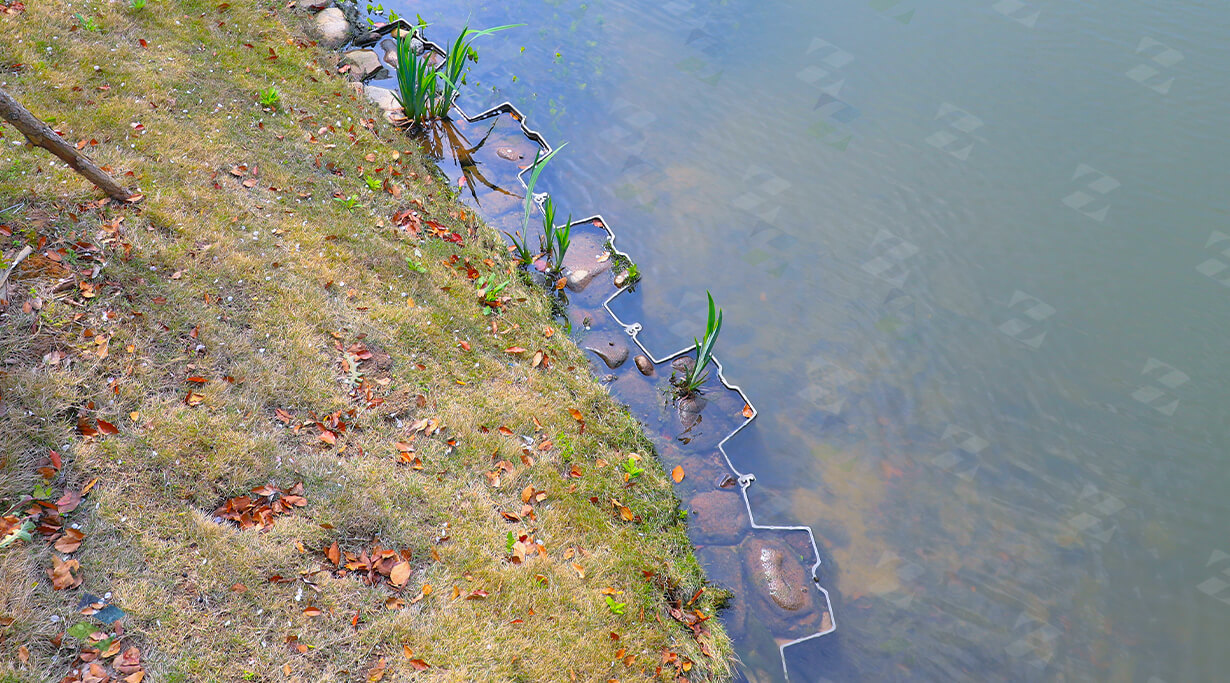
- Seawalls and bulkheads in tidal zones: Salt water, tidal cycling, and marine biological organisms accelerate steel corrosion to the point where recoating cycles become economically prohibitive. Vinyl seawalls in these conditions regularly achieve 40–50 year service lives with no protective treatment beyond UV-stabilized extrusion compounds.
- Residential waterfront properties: The light weight of vinyl panels allows installation from small barges or even from the shoreline without heavy crane access, reducing mobilization costs significantly on sites with limited access.
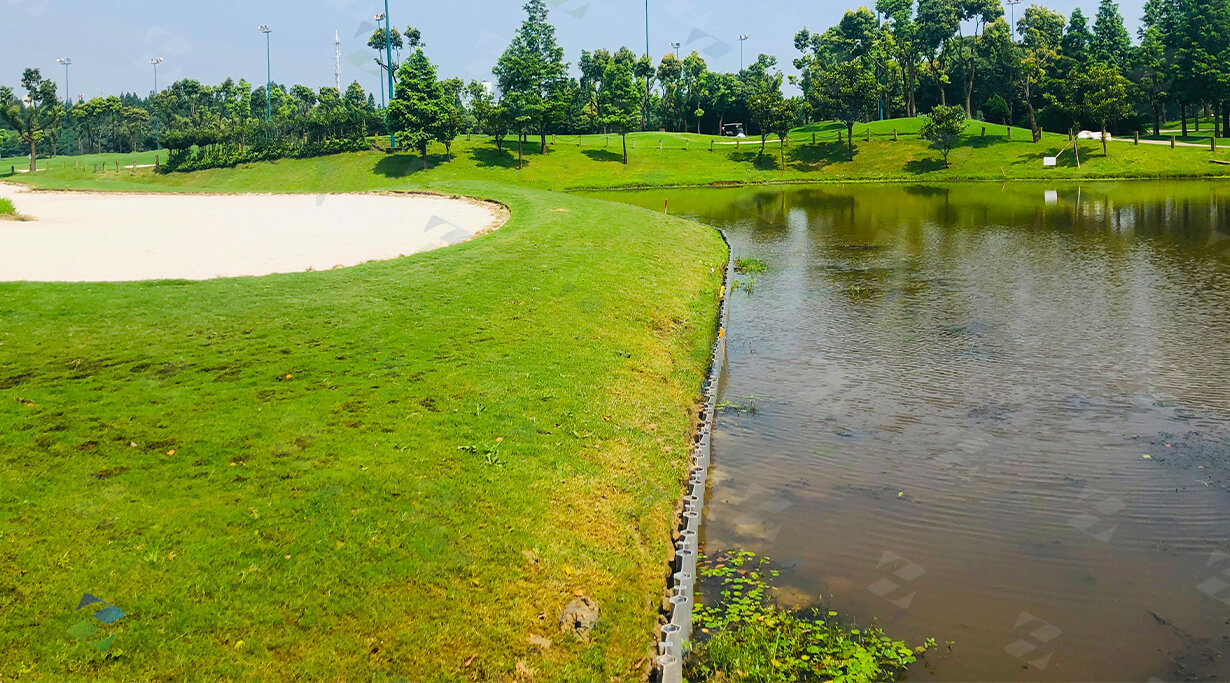
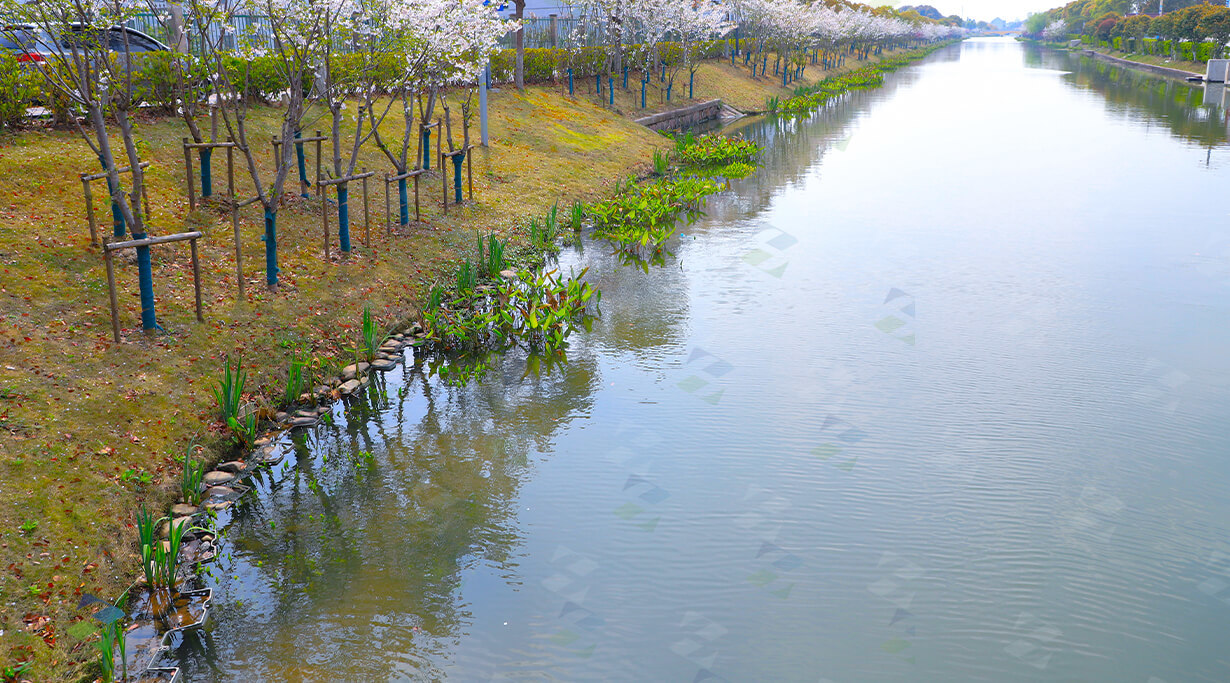
- Canal and drainage channel lining: Vinyl sheet piles provide watertight channel walls that do not leach contaminants into groundwater, making them suitable for drinking water infrastructure and environmentally sensitive drainage systems.
- Contaminated site containment: PVC is chemically resistant to a broad range of industrial contaminants including hydrocarbons, dilute acids, and chlorinated solvents. This makes vinyl piles a viable containment barrier at brownfield sites where steel would suffer accelerated degradation from soil chemistry.
- Landscaping and garden retaining walls: For walls under 1.2 m retaining decorative garden areas, vinyl sheet piles offer fast installation, no painting requirement, and a clean aesthetic that suits residential environments.
Key Specifications to Verify Before Purchasing
Not all vinyl sheet piles on the market deliver equivalent structural or environmental performance. The following specifications should be confirmed through product datasheets or third-party test reports before placing an order, particularly for permanent infrastructure applications.
PVC Compound Formulation
The base PVC resin should be a high-molecular-weight, rigid (unplasticized) formulation — commonly referred to as uPVC or rigid PVC — with a minimum K-value of 65–68 per ISO 1628-2. The compound must include UV stabilizers (typically titanium dioxide and UV absorber packages) at concentrations sufficient to maintain mechanical properties after prolonged outdoor exposure. Products relying on recycled PVC without certified compound specifications carry a higher risk of inconsistent performance and should be evaluated with particular scrutiny.
Wall Thickness and Section Modulus
Minimum wall thickness for structural applications is generally 6 mm, with heavy-duty profiles ranging from 9 mm to 13 mm. Confirm the section modulus (cm³/m) matches the design requirement calculated by your geotechnical engineer. Manufacturers sometimes quote section properties based on nominal rather than minimum wall thickness — verify whether the stated values use minimum or average thickness measurements per the relevant production tolerance standard.
Interlock Geometry and Seal Performance
For applications requiring a watertight barrier — seawalls, contaminated site containment, or water-retaining structures — the interlock geometry should be evaluated for sealing performance under hydrostatic head. Some manufacturers offer factory-applied sealant inserts within the interlock channel that compress on installation to reduce seepage. Request hydrostatic seepage test data if the wall will be subject to a sustained head differential greater than 1.0 m.
Impact Strength at Low Temperatures
PVC becomes more brittle at low temperatures, and installation in winter conditions in colder climates carries a risk of panel cracking during driving if the compound formulation is not specifically tested for low-temperature performance. Confirm that the product meets Charpy or Izod impact strength requirements at the minimum expected installation temperature for your project location — typically 0°C as a baseline, or lower for northern continental climates.