English
 中文简体
中文简体
Oct 20,2026
Content
What Are Vinyl Sheet Piles?
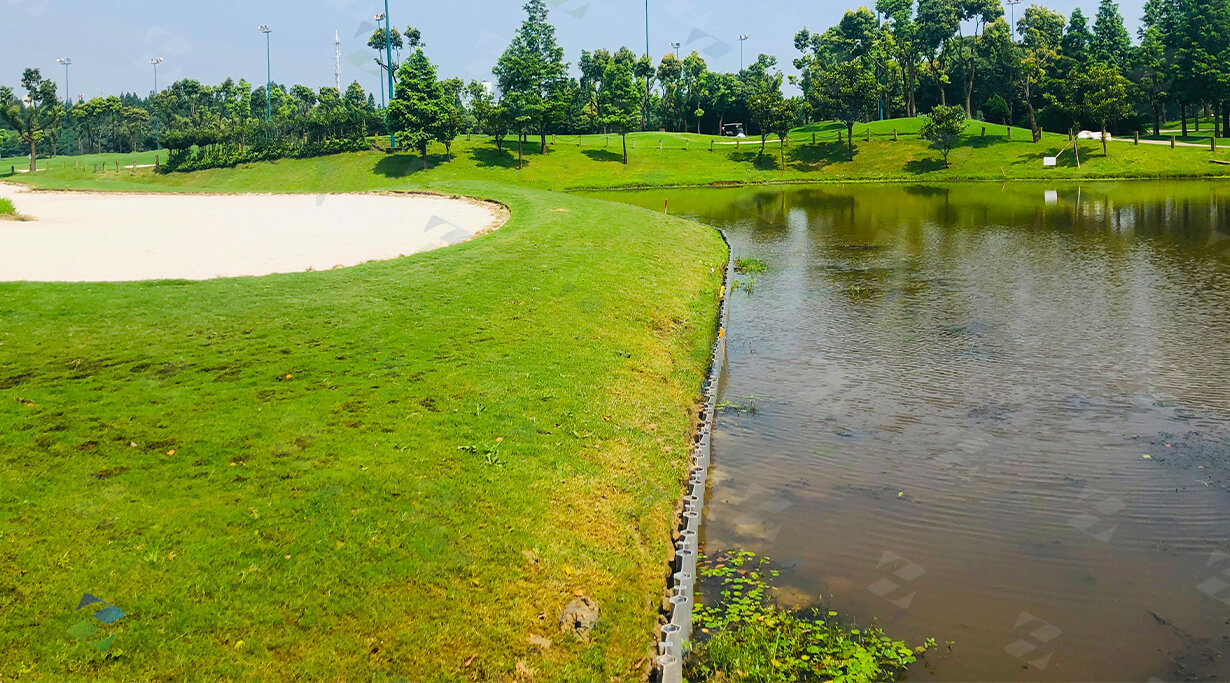
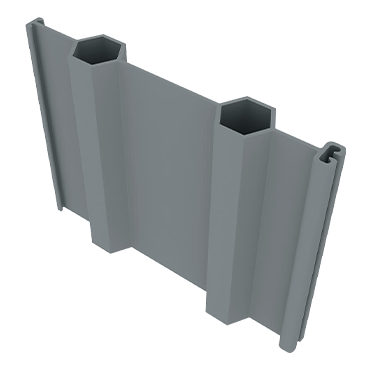
Vinyl sheet piles are interlocking panels made from PVC (polyvinyl chloride) that are driven into the ground to form a continuous wall, primarily used for retaining soil, controlling erosion, and creating barriers along shorelines, canals, and other water-adjacent areas. Each panel features tongue-and-groove or ball-and-socket style joints that interlock with adjacent panels, creating a continuous wall once driven into place.
Originally developed as an alternative to traditional steel and timber sheet piling, vinyl sheet piles have gained popularity over the past few decades due to their resistance to corrosion, marine borers, and chemical degradation. They are particularly common in residential seawalls, small-scale bulkheads, and erosion control projects where long-term durability with minimal maintenance is a priority.
Key Advantages of Vinyl Sheet Piles
Vinyl sheet piles offer several practical benefits that have driven their adoption across coastal, residential, and light commercial construction projects.
Corrosion and Chemical Resistance
Unlike steel sheet piling, which requires protective coatings or cathodic protection to prevent rust in marine environments, vinyl is naturally resistant to corrosion from saltwater, brackish water, and many chemicals found in industrial or agricultural runoff. This eliminates the ongoing maintenance costs associated with repainting or replacing corroded steel sections.
Resistance to Marine Borers and Rot
Timber sheet piling is vulnerable to attack from marine organisms such as shipworms and gribbles, as well as fungal decay in wet conditions. Vinyl sheet piles are immune to these biological threats, making them a longer-lasting option in tropical and subtropical waterfront locations where wood degradation is a persistent problem.
Lightweight Installation
Vinyl sheet piles weigh significantly less than steel panels of comparable size, which reduces the equipment requirements for handling and driving the material. This can lower transportation costs and allow smaller installation crews to complete projects that would otherwise require heavier machinery.
UV Stability and Color Retention
Quality vinyl sheet piling products include UV stabilizers in the PVC formulation, helping the material resist fading and surface degradation from sun exposure over many years of outdoor use, which is particularly relevant for above-water sections of seawalls and bulkheads.
Comparing Vinyl Sheet Piles to Other Materials
Selecting the right sheet piling material depends on project scale, soil conditions, expected loads, and budget. The table below provides a general comparison of common sheet piling materials.
| Material | Typical Lifespan | Maintenance Needs | Best Suited For |
| Vinyl | 50+ years | Minimal | Residential seawalls, erosion control |
| Steel | 25-40 years | High (coating, cathodic protection) | Heavy-load commercial structures |
| Timber | 10-25 years | Moderate to high | Temporary structures, low-budget projects |
| Concrete | 50+ years | Low | Large-scale permanent structures |
Common Applications for Vinyl Sheet Piles
Vinyl sheet piles are used across a variety of waterfront and earth-retention applications where their corrosion resistance and durability provide clear advantages.
- Residential Seawalls: Protecting waterfront properties from erosion caused by wave action and tidal movement.
- Bulkheads and Boat Docks: Creating stable vertical edges for docks, marinas, and boat slips along canals and lakes.
- Canal Bank Stabilization: Preventing soil erosion along drainage canals and irrigation channels in agricultural areas.
- Stormwater Management: Lining retention ponds and channels to prevent bank erosion during heavy rainfall events.
- Small Retaining Walls: Supporting soil on sloped residential or commercial properties where load requirements are moderate.
Considerations Before Choosing Vinyl Sheet Piles
While vinyl sheet piles offer many benefits, they are not the right solution for every project. Understanding their limitations helps avoid costly mistakes during the planning phase.
Load-Bearing Capacity
Vinyl sheet piles generally have lower structural strength compared to steel, which limits their use in applications involving very high retained soil heights or significant surcharge loads from buildings or heavy equipment positioned near the wall. Engineering calculations should confirm that vinyl piling can handle the specific soil and load conditions of a project before proceeding.
Driving Conditions
Vinyl sheet piles are typically installed using vibratory hammers rather than impact hammers, since excessive impact force can crack or damage the panels. Soil conditions containing large rocks or dense gravel layers may require pre-drilling or alternative installation methods to avoid damaging the interlocking joints during driving.
Temperature Sensitivity During Installation
PVC becomes more brittle in cold temperatures, which can affect installation in certain climates. Many manufacturers provide guidance on minimum installation temperatures, and contractors should plan project timing accordingly to avoid panel damage during driving in colder months.
For projects where soil conditions, load requirements, and climate align with vinyl's capabilities, this material offers a long-term, low-maintenance alternative to traditional sheet piling options, particularly for residential and light commercial waterfront construction where corrosion resistance provides the greatest long-term value.