English
 中文简体
中文简体
Oct 09,2026
Content
What Are Vinyl Sheet Piles?
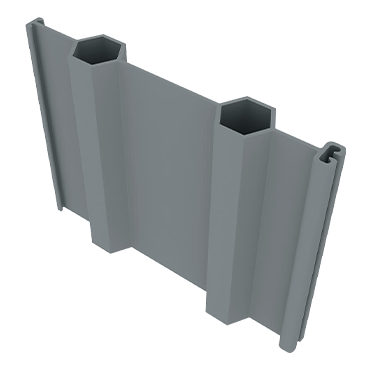
Vinyl sheet piles are interlocking wall sections made from PVC or a similar polymer compound, driven vertically into the ground to form a continuous barrier used for retaining soil, controlling water flow, or stabilizing shorelines. Each pile features an interlocking joint system along its edges, allowing individual sections to connect tightly with neighboring piles, creating a solid wall once installed in sequence. This interlocking design is what enables vinyl sheet piling to function effectively as both a structural retaining system and a water barrier in applications such as seawalls, bulkheads, and canal linings.
Unlike traditional steel or timber sheet piling, vinyl sheet piles are manufactured from engineered polymer formulations specifically designed to resist the corrosive and biological degradation commonly associated with prolonged water exposure. This makes them particularly popular in marine, coastal, and freshwater applications where long-term durability against moisture is a primary concern.
Key Advantages of Vinyl Sheet Piling
Vinyl sheet piles offer several practical benefits that have contributed to their growing adoption in both residential and commercial waterfront construction projects.
Corrosion and Rot Resistance
Unlike steel, which is prone to rust and electrochemical corrosion in saltwater environments, or timber, which can suffer from rot and insect damage, vinyl sheet piles do not corrode or decay when exposed to water. This property significantly reduces the long-term maintenance requirements associated with waterfront structures.
Lightweight Installation
Vinyl sheet piles are considerably lighter than steel alternatives, which simplifies handling, transportation, and installation. This reduced weight often allows for the use of smaller, less specialized driving equipment, potentially lowering overall project costs, particularly for smaller residential seawall or bulkhead installations.
Long Service Life
Because vinyl does not rust or decompose biologically, properly installed vinyl sheet piling systems can maintain structural integrity for several decades with minimal degradation, provided the material is manufactured to appropriate UV and impact resistance standards for outdoor exposure.
Vinyl vs Steel vs Timber Sheet Piles
Choosing the right sheet piling material depends on the specific project requirements, including budget, soil conditions, and expected structural load. The table below compares the three most common sheet piling materials across key performance factors.
| Material | Corrosion Resistance | Structural Strength | Maintenance Needs |
| Vinyl | Excellent | Moderate | Low |
| Steel | Poor without coating | High | High |
| Timber | Poor, prone to rot | Moderate | High |
While steel sheet piling generally offers higher structural strength for large-scale commercial projects involving significant loads, vinyl remains a strong choice for residential and light commercial applications where corrosion resistance and lower maintenance are higher priorities than maximum load capacity.
Common Applications of Vinyl Sheet Piles
Vinyl sheet piling is used across a range of waterfront and soil retention projects. Typical applications include:
- Residential and commercial seawalls along lakes, rivers, and coastal properties
- Bulkheads for marinas, docks, and boat launches
- Canal and drainage channel linings
- Erosion control structures along riverbanks
- Temporary or permanent excavation support in low-load soil conditions
Installation Considerations for Vinyl Sheet Piles
Proper installation is essential for ensuring vinyl sheet piles perform as intended over their expected service life. Soil conditions play a major role in determining installation feasibility, since vinyl piles are generally better suited to sandy or moderately dense soils rather than sites with large rocks or dense clay that could damage the interlocking joints during driving.
Installers typically use vibratory hammers or hydraulic pile drivers to set vinyl sheet piles into position, taking care to maintain proper alignment throughout the driving process. Because vinyl piles are more flexible than steel, careful attention to interlock engagement during installation helps prevent gaps that could compromise the wall's water barrier function.
Maintenance and Long-Term Care
One of the primary appeals of vinyl sheet piling is its relatively low maintenance requirement compared to steel or timber alternatives. However, periodic inspection remains important for identifying potential issues before they become significant structural concerns.
- Inspect for visible cracking or interlock separation after major storm events
- Check for soil erosion or settlement behind the wall that could indicate joint gaps
- Monitor for UV-related surface fading, which may indicate the need for protective coating in extreme climates
Choosing the Right Vinyl Sheet Piling Product
Buyers evaluating vinyl sheet piles should confirm the wall thickness and profile depth appropriate for their specific soil retention and water pressure requirements, since thicker profiles generally offer greater load-bearing capacity for larger installations. It is also important to verify that the product includes UV stabilizers suitable for long-term outdoor exposure, particularly for projects in regions with intense sun exposure, to prevent premature material degradation over the structure's expected lifespan.