English
 中文简体
中文简体
Oct 09,2026
Content
- 1 What Benching Actually Is
- 2 When Is Benching Considered an Effective Trench Protective Method?
- 3 Soil Type Is the First Gate
- 4 The Site Conditions That Decide the Outcome
- 5 Where Benching Stops Being Effective
- 6 Where Benching Will Not Fit, Sheet Piles Often Will
- 7 A Practical Decision Checklist
- 8 Final Thoughts
Every excavation eventually asks the same question: can the soil hold itself, or do we have to hold it? Benching is one of the oldest answers. In the right ground it is fast, inexpensive and remarkably effective; in the wrong ground it is a hazard wearing the costume of a method. The difference between those two outcomes comes down to soil type, water, space and depth.
This guide explains when benching is considered an effective trench protective method, when it quietly stops being one, and what to reach for when a trench is simply too tight, too wet or too deep to bench.
What Benching Actually Is
Benching means excavating the sides of a trench as a series of steps rather than cutting one clean vertical wall. Each step has a short vertical face and a horizontal ledge, so the finished profile looks like a staircase carved into the soil.
The logic is straightforward. A vertical wall stands only because the soil has enough cohesive strength and lateral confinement to resist the pressure behind it. Remove material in a graduated pattern and you shorten any single unsupported face, while the horizontal ledge intercepts the failure surface that would otherwise run from the toe of the trench up to the surface. Less soil is moved than with a fully sloped excavation, which is why benching is often the compromise between a slope that eats the whole site and a shoring system that eats the budget.
It is worth separating benching from the other three protective methods. Sloping cuts one continuous incline from top to bottom. Shoring installs supports that physically hold the walls. Shielding places a trench box around the workers. Benching is the only one that relies entirely on the soil's own strength, which is exactly why the soil classification matters so much.
When Is Benching Considered an Effective Trench Protective Method?
Benching is considered effective when four conditions hold at the same time: the soil can be classified as Type A or Type B, water is under control, the site has enough room at the surface, and the excavation is shallow enough that the benches do not consume the entire working area. In practical terms, that means:
- The soil is cohesive and stable enough to stand in a short vertical face without raveling.
- There is no standing water, seepage or visible sloughing in the trench bottom or faces.
- The right-of-way is wide enough to leave the horizontal ledges in place on both sides.
- The trench depth and bench geometry stay inside the limits set by the regulations that apply to the project.
- No spoil piles, plant, parked vehicles or stockpiles sit close to the trench edge.
- The excavation will be backfilled and closed within a short period rather than left open for months.
- A competent person inspects the excavation at the start of each shift and after every rain event.
Meet all seven and benching will usually be the cheapest protective method available, as well as the fastest to execute. Miss one, and the method has to be replaced or reinforced.
Soil Type Is the First Gate
Almost every jurisdiction that regulates excavation safety treats benching the same way: it is permitted in strong, cohesive ground and prohibited in weak, granular or water-bearing ground. The table below summarises the classification logic that drives that decision.
| Soil type | Typical soils | Maximum simple slope | Benching permitted? |
|---|---|---|---|
| Type A | Clay, silty clay, hardpan, cemented soils | 3/4 : 1, roughly 53 degrees | Yes, within depth limits |
| Type B | Silt, sandy silt, angular gravel, previously disturbed soil | 1 : 1, 45 degrees | Yes, with restrictions on bench height and number |
| Type C | Sand, gravel, submerged soil, soil with seeping water | 1.5 : 1, roughly 34 degrees | No |
Classification is not a paperwork exercise. A trench cut into what looks like stiff clay can behave as Type C after two days of rain, and a soil that was Type B on Monday morning may be Type C by Friday afternoon.
The Site Conditions That Decide the Outcome
Groundwater
Water is the fastest way to turn a benched trench into a collapse. Seepage reduces apparent cohesion, softens the toe and can wash fines out of the bench faces, leaving voids behind the ledge. A trench showing any sign of water is normally reclassified downward, and Type C soil cannot be benched at all. Dewatering, well points or a cut-off barrier need to be in place before the first bench is cut, not added once the walls begin to move.
Available Space
Benching is a horizontal-space solution, not a vertical one. Every bench consumes right-of-way at the surface, so a moderately deep Type B trench can easily require three or four metres of clear ledge on each side. On a rural pipeline, a highway shoulder or a large development plot that is rarely a problem. In an urban street, a plant retrofit or a narrow riverbank, it usually is.
Surcharge, Vibration and Adjacent Structures
Spoil piles, excavators, delivery trucks and passing traffic all press down on the ground behind the trench. That pressure travels through the soil and adds to whatever the bench face already has to resist. Benching assumes a clean, lightly loaded surface. When a footing, a loaded roadway or a vibrating compactor sits within the influence zone, that assumption disappears and the effective depth of the trench increases.
Depth and Duration
Benching performs best in shallow, short-duration work such as utility repairs, footing excavations and inspection pits. The deeper the cut, the more benches are needed and the wider the open area becomes, until excavation and reinstatement costs overtake the savings. Long-duration openings also face weathering, freeze-thaw cycling and repeated wetting, all of which degrade the exposed faces over time.
Where Benching Stops Being Effective
The method fails predictably in a handful of situations. Treat any one of these as a signal to change the protective system rather than to modify the bench geometry:
- The soil is classified as Type C, or cannot be classified with confidence.
- Water is seeping or standing, or the water table sits above the trench bottom.
- The right-of-way cannot accommodate the benches without closing a road, a rail line or a working platform.
- Heavy surcharge loads from structures, stockpiles or traffic act near the trench edge.
- The excavation will remain open for months rather than days.
- Buried services cross the benched zone and cannot be protected or isolated.
In those cases the practical alternatives are hydraulic shoring, trench boxes, or a driven retaining wall for deeper and longer-lived excavations. The last option is where we spend most of our working hours.
Where Benching Will Not Fit, Sheet Piles Often Will
As a manufacturer of vinyl sheet piles based in Zhejiang, we build panels for exactly this situation: ground that cannot be trusted to stand on its own, on a site with no room for a staircase of benches. Our interlocking PVC sheet pile sections are driven or vibrated into place to form a continuous retaining wall that carries the lateral load itself, so the excavation behind it stays narrow and the neighbouring ground stays undisturbed.
Because the panels are light compared with steel or concrete alternatives, they can be handled and installed with smaller plant, which matters on constrained sites where access is the binding constraint. They resist corrosion and chemical attack, need essentially no maintenance once installed, and carry a far lower carbon footprint than a steel sheet pile wall of comparable length.
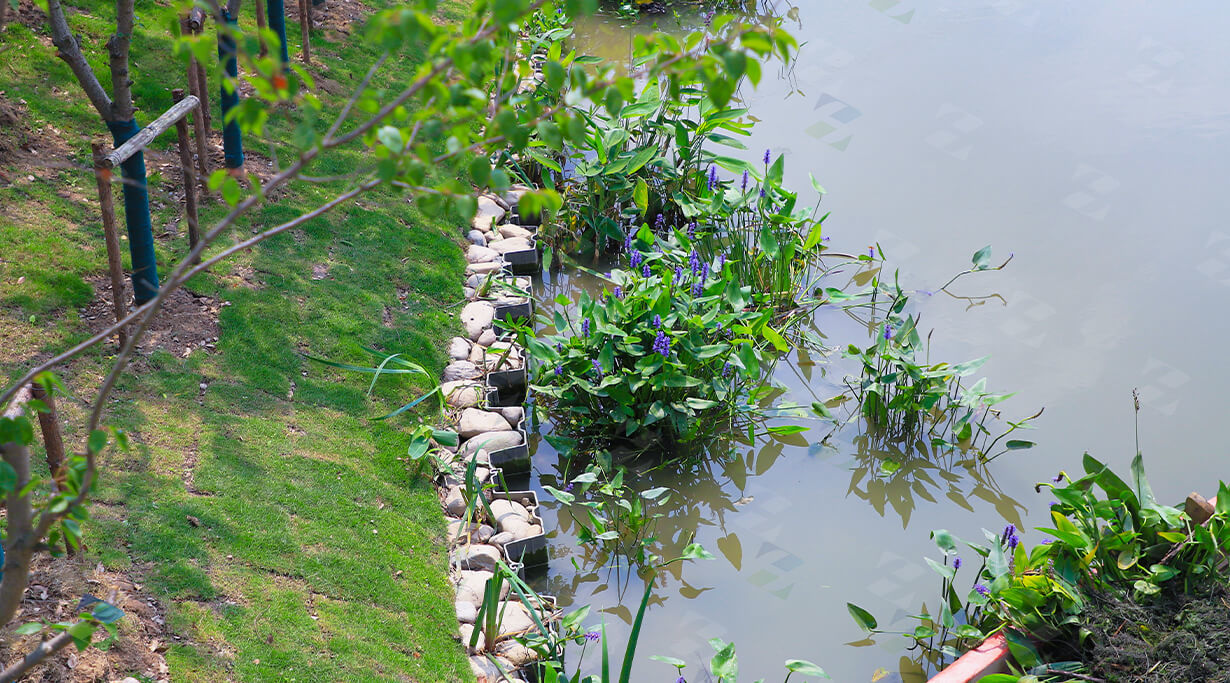
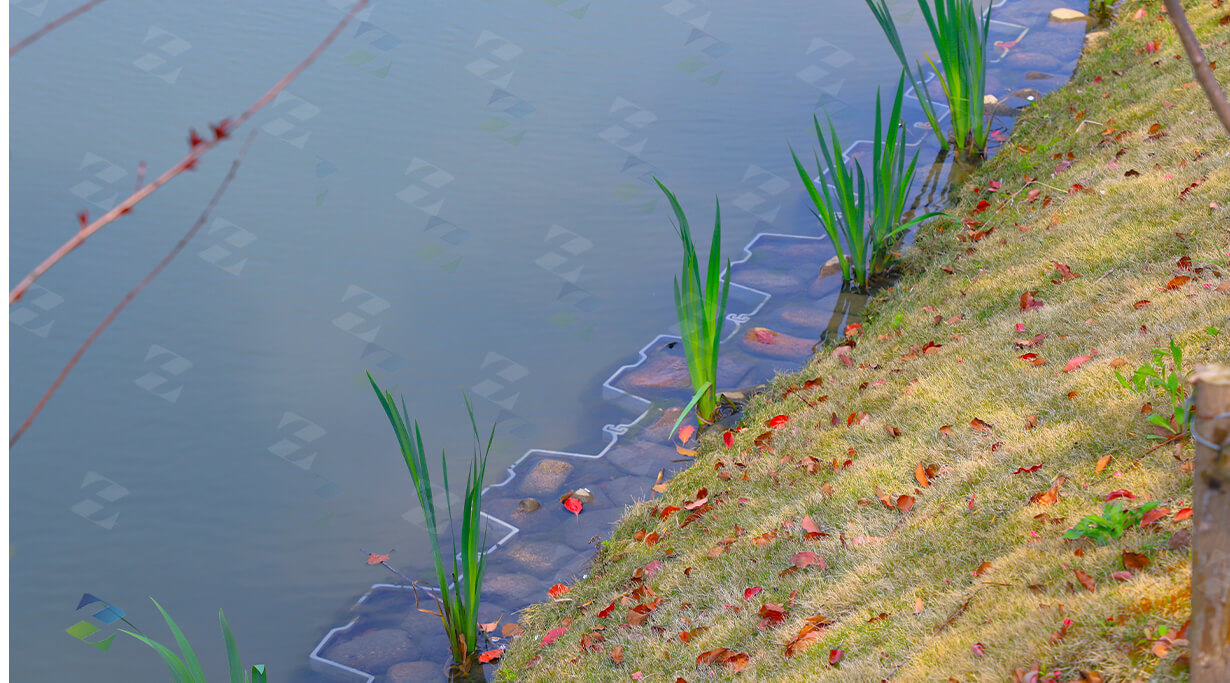
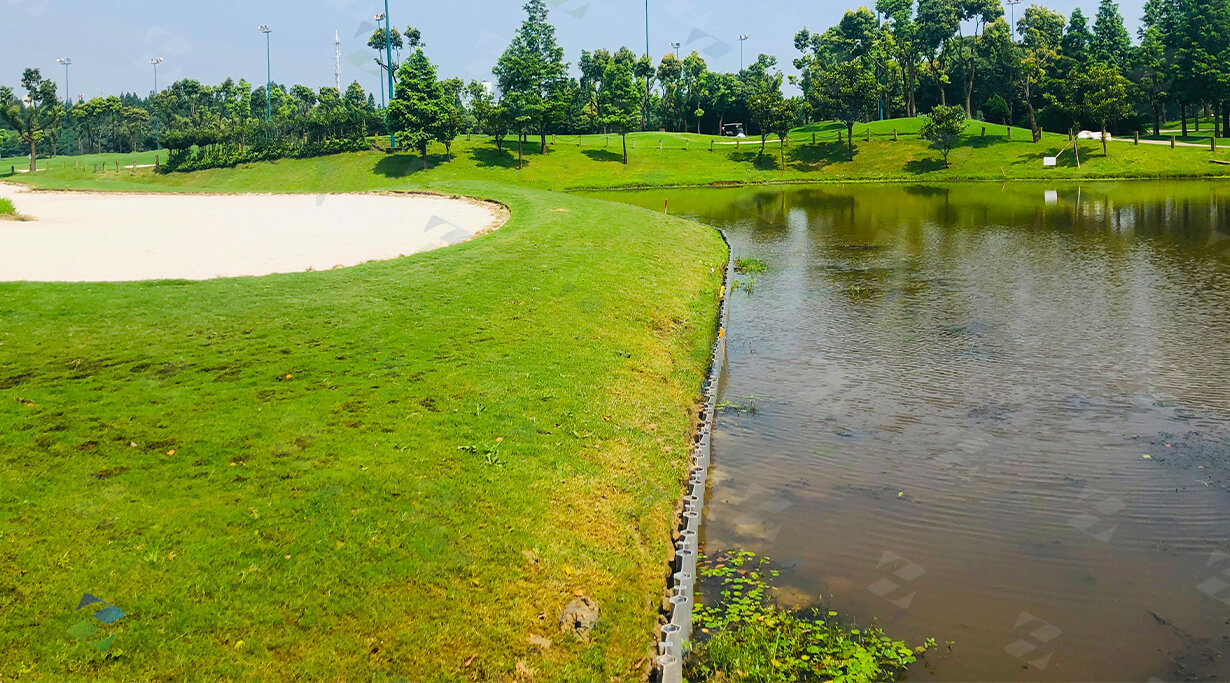
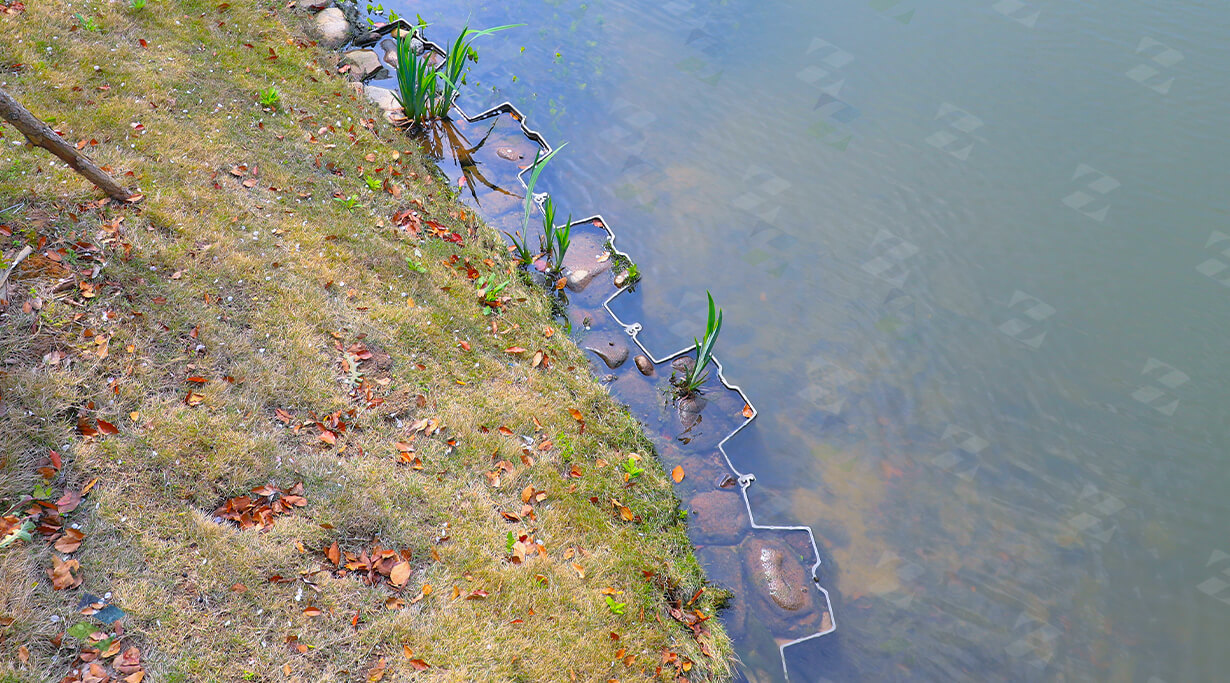
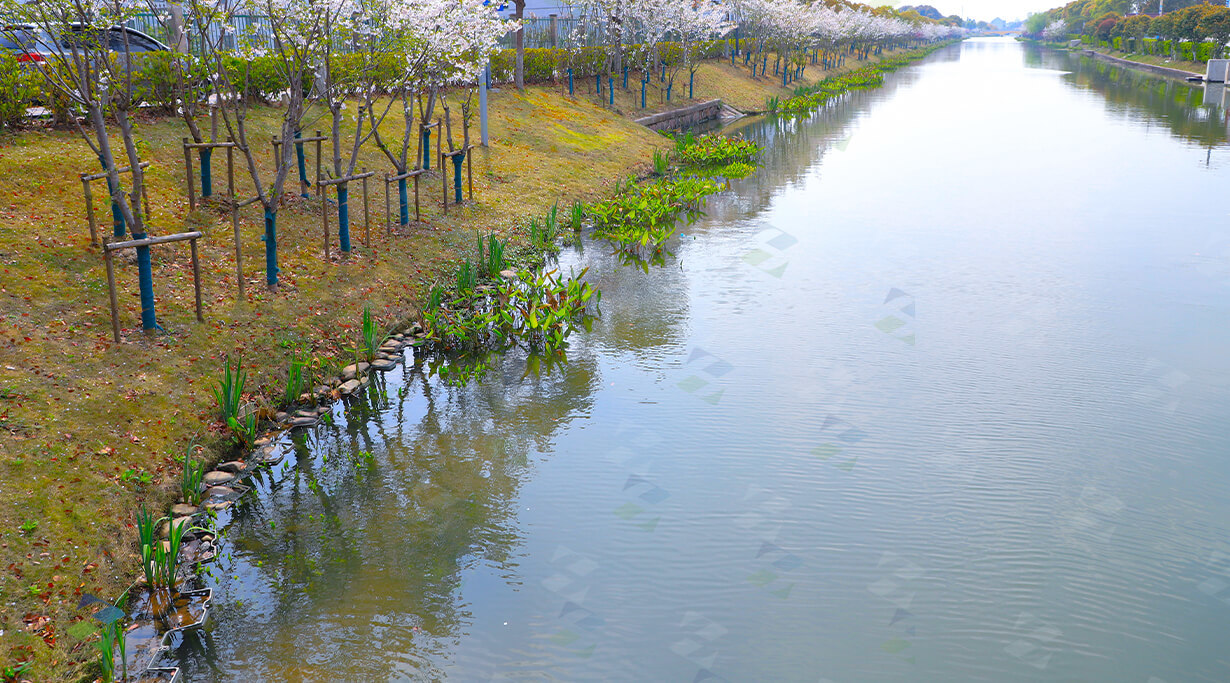
Two applications come up again and again in our project files. The first is vinyl sheet piles used for foundation pit support, where a benched cut would undermine an adjacent structure or eat a working platform. The second is PVC sheet pile retaining walls along riverbanks, channels and embankments, where an open slope would consume land that is not available or erode into the waterway it is meant to protect.
If you are weighing an open excavation against a supported one, we are happy to talk through profiles, driveability in your particular soil and the site access you have to work with.
A Practical Decision Checklist
- Classify the soil using the visual and manual methods your jurisdiction requires, and record the result.
- Check for water before work starts and again during excavation; reclassify if it appears.
- Measure the available right-of-way. If the benches will not fit, benching is off the table regardless of soil quality.
- Walk the trench edge and look for surcharges: stockpiles, tracked plant, parked vehicles, roadways and footings.
- Confirm the depth limits and benching rules that apply locally, and note them in the excavation plan.
- Compare the full cost of an open cut, including spoil removal, reinstatement and traffic management, against a supported solution.
- Keep a competent person on site for daily inspections, after every rain event and whenever conditions change.
Final Thoughts
Benching earns its place in the toolbox. It is an effective trench protective method when the soil is cohesive and dry, the surface is wide enough, the cut is shallow and short-lived, and nothing heavy is pressing down nearby. Remove any one of those conditions and the same method that saved a week of excavation time can become the reason an inspector closes the site.
The honest answer to the original question is therefore conditional, and it always has been. Benching is effective where the ground allows it and pointless where the ground does not. Knowing which side of that line your site sits on, before the excavator arrives, is the whole job. Where the answer is no, a lightweight interlocking sheet pile wall is often the most economical way to keep the excavation narrow, the neighbours safe and the programme on track.