English
 中文简体
中文简体
Sep 17,2026
Content
Sheet piles and anchors form one of the most dependable combinations in geotechnical and waterfront construction. A driven sheet pile wall provides a continuous barrier against soil and water, while anchors supply the extra lateral support needed when the unsupported height of the wall becomes too large for a simple cantilever. Used together, they allow engineers to build tall, stable retaining structures in sites where a cantilever wall alone would be uneconomical or unsafe.
Understanding how these two components work as a system is essential for project owners, contractors, and design engineers. In this article, we explain the mechanics of anchored sheet pile walls, compare the most common anchor types, review the design factors that matter most, and look at how material selection, especially the choice of vinyl sheet piles, can improve long-term performance. Drawing on our experience as a manufacturer of vinyl sheet piles, we will also highlight why the wall material deserves as much attention as the anchor system itself.
Why Sheet Pile Walls Need Anchors
A cantilever sheet pile wall resists soil and water pressure entirely through the depth of pile embedment below the excavation line. The deeper the piles are driven, the more lateral resistance they provide. As the exposed wall height increases, however, bending moments become larger and the required penetration depth grows quickly. At a certain point, the pile section and driving depth needed to keep the wall stable become oversized and costly.
Anchors solve this problem by creating an extra support point near the top of the wall. The anchor transfers lateral load from the wall into the soil or rock behind the retained zone. This reduces bending moments, lowers the required section modulus, and shortens the embedment depth. The result is a more efficient structure that can handle greater heights without excessive material use.
In our experience, anchored systems are especially common in:
- Waterfront bulkheads and harbor walls
- Riverbank slope protection and flood control structures
- Deep excavation support for basements and underground facilities
- Bridge abutments and approach embankments
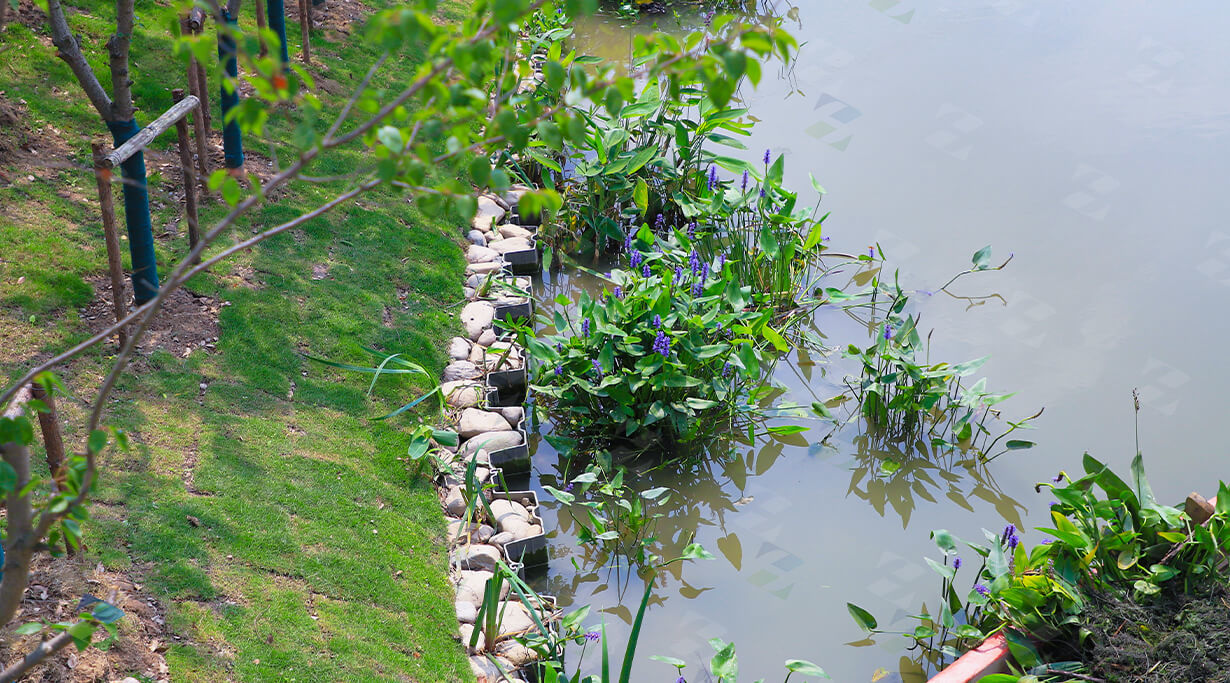
- Small watershed management and ecological restoration projects
Common Types of Anchors Used with Sheet Piles
The right anchor type depends on ground conditions, loading, site access, and expected service life. The table below compares the anchor systems most frequently used with sheet pile walls.
| Anchor Type | How It Works | Typical Use |
|---|---|---|
| Ground anchors (tensioned) | High-capacity steel tendons grouted into a borehole and tensioned after curing | Tall walls, soft soils, permanent works |
| Tie rods with deadman anchors | Steel rods connecting the wall to a buried deadman or anchor plate that resists pullout | Bulkheads, waterfront walls, moderate retained heights |
| Soil nails | Passive reinforcing bars installed at a slight downward angle and grouted in place | Slope stabilization and shallow excavation support |
| Rock bolts | Bars grouted into stable bedrock to develop high pullout resistance | Walls founded on or near rock |
| Micropiles | Small-diameter drilled and grouted piles resisting axial and lateral loads | Restricted access sites, stiff ground, seismic areas |
Each system has its own installation sequence, load capacity, and cost profile. Tensioned ground anchors are the most common choice for permanent anchored walls because they can be designed for very high loads. Tie rods with deadman anchors remain popular in marine bulkhead work where a simple, robust connection to an anchor block can be installed easily. The final selection should always be made by a geotechnical engineer based on site-specific parameters.
Key Design Considerations for Anchored Sheet Pile Walls
Designing an anchored sheet pile wall involves more than choosing an anchor type. The following factors determine whether the system will perform safely over its service life:
- Anchor spacing and load capacity: spacing governs the load carried by each anchor; closer spacing means more anchors but a lighter waler system.
- Anchor location: the anchor must be positioned behind the active failure plane to develop full passive resistance.
- Corrosion protection: steel tie rods and tendons can corrode in marine and aggressive soil environments, so coatings, encasement, or sacrificial allowance may be required.
- Wall deflection: anchors reduce but do not eliminate movement, and tolerable displacements must be defined in the design.
- Construction sequence: excavation below the anchor level before stressing can lead to excessive wall movement.
- Long-term behavior: creep in the soil or rock, anchor relaxation, and groundwater changes all affect permanent performance.
These factors show why anchored wall design should always involve experienced geotechnical input. But there is also a practical truth that we see on projects every year: the wall material influences how well the whole system behaves. This is where modern vinyl sheet piles bring real benefits.
Why Vinyl Sheet Piles Work Well in Anchored Systems
Traditional anchored walls are frequently built with steel sheet piles. Steel is strong and widely available, but it is also heavy, vulnerable to corrosion in marine and acidic soils, and expensive to maintain over the life of the structure. Concrete walls are durable but difficult to handle and slow to construct.
Vinyl sheet piles, also called PVC sheet piles, offer a lightweight, corrosion-resistant alternative that pairs naturally with anchoring systems. Because vinyl piles are much lighter than steel or concrete, handling and driving are easier, rigging costs are lower, and the reduced section weight places less demand on the anchor system as a whole.
Key benefits of vinyl sheet piles in anchored retaining walls include:
- No corrosion: vinyl does not rust, so the wall keeps its full section over decades even in saltwater and chemically aggressive soils.
- Low maintenance: there is no periodic coating, no cathodic protection, and no need to replace corroded panels.
- Ease of installation: light weight and interlocking profiles speed up driving and simplify work on soft or confined sites.
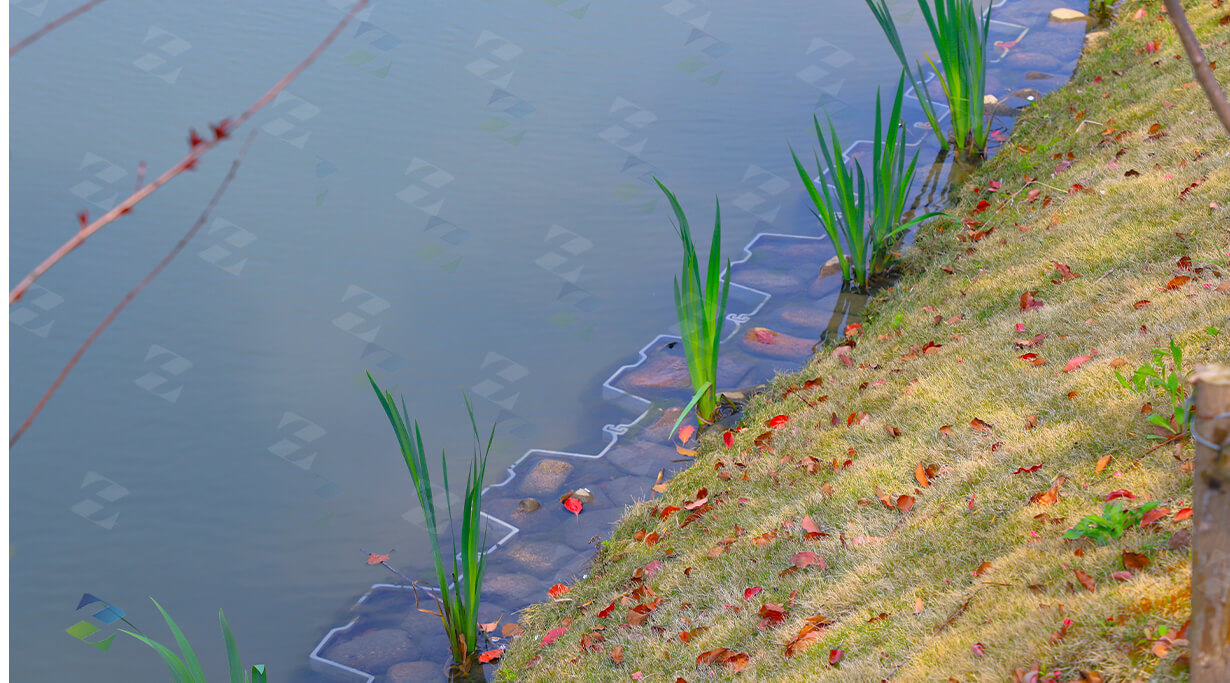
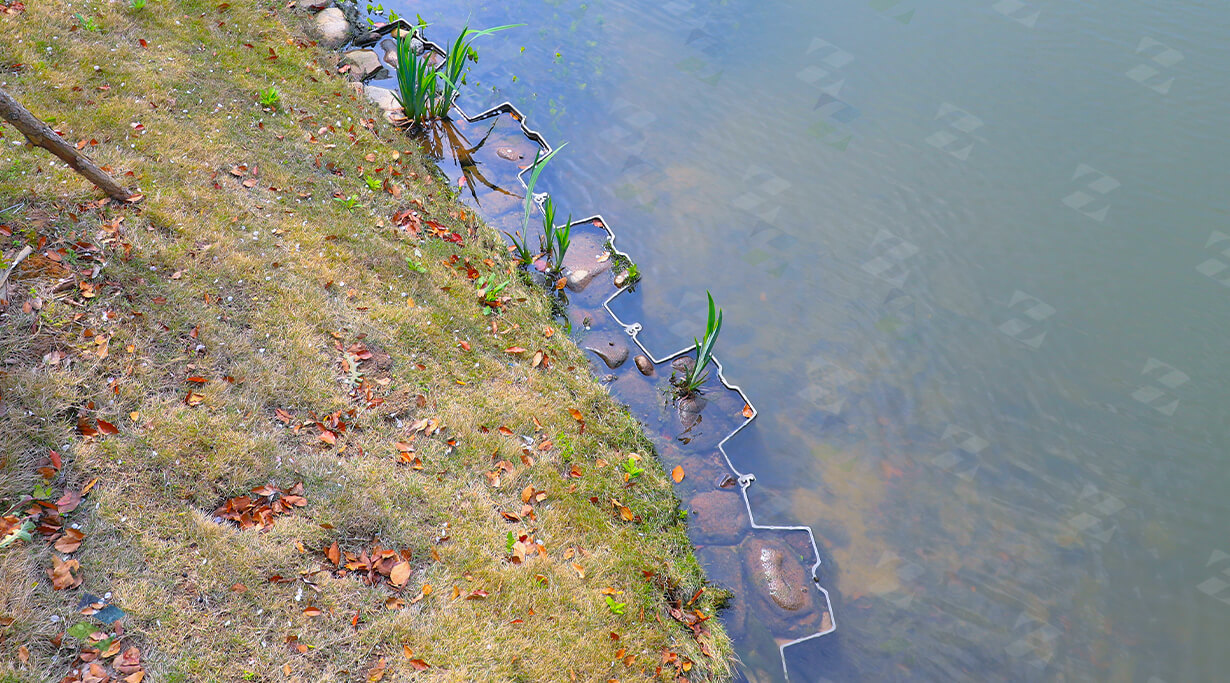
- Environmental fit: vinyl sheet piles are regularly specified for ecological protection, riverbank restoration, and water-conservancy projects.
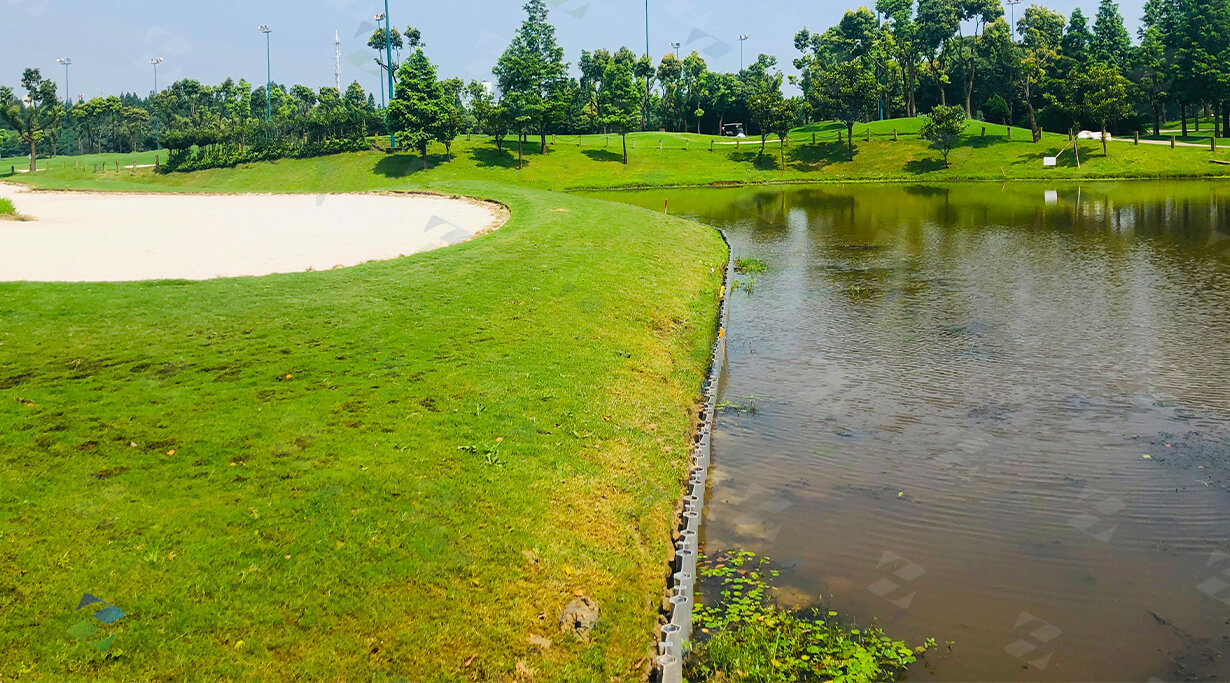
For vinyl sheet piling for retaining walls, the interlocking joint forms a continuous barrier that works with ground anchors or tie rods to hold soil and water reliably. And when the project is exposed to saltwater or aggressive groundwater, corrosion-resistant PVC sheet piles eliminate the deterioration problems that steel walls face year after year.
Anchored vinyl walls also simplify the connection detail. Because the wall is lighter, the anchor head, waler, and distribution plate can be more compact, making installation quicker without sacrificing structural integrity.
Installation and Construction Best Practices
A well-designed anchored wall can still underperform if installation is careless. In our field experience, the following practices help ensure a smooth, safe construction process:
- Follow the planned driving sequence: install piles in the specified order to keep the wall aligned and the interlocks fully engaged.
- Prepare the anchor alignment carefully: for tie rod systems, set rods at the correct elevation and horizontal alignment before backfilling.
- Tension anchors to the specified load: stressing removes slack and mobilizes the passive resistance behind the wall.
- Inspect all connections: the anchor head, waler, and pile wall must transfer load without local overstress or distortion.
- Monitor wall movement during excavation: survey markers on the wall and adjacent ground provide early warning of excessive displacement.
- Handle temporary anchors properly: if anchors are temporary, plan their removal or abandonment in a way that does not damage the permanent works.
The same logic applies whether the project is a small watershed management channel, a riverbank protection scheme, or a waterfront bulkhead. The piles and anchors act as one system, and every component deserves the same level of care.
Final Thoughts
Sheet piles and anchors have worked together for decades because the combination is practical, efficient, and proven. Anchored sheet pile walls give engineers the freedom to design taller retaining structures while using material more economically than a cantilever alternative.
Material choice matters as much as anchor selection. Vinyl sheet piles bring corrosion resistance, light weight, and long-term reliability to anchored systems. These benefits matter even more when the anchor components are made of steel, because protecting the wall also protects the entire anchoring assembly from premature deterioration.
If you are planning a bulkhead, flood wall, slope protection, or waterway project, evaluate the pile material and the anchor system together from the start. Our team works with contractors and designers every day on these choices, and the projects that go well are almost always the ones where the material and anchoring decisions are made together.