English
 中文简体
中文简体
Oct 20,2026
Content
- 1 What Are Vinyl Sheet Piles?
- 2 Material Composition and Manufacturing
- 3 Common Profile Types and Their Structural Properties
- 4 Advantages of Vinyl Sheet Piles Over Steel and Timber
- 5 Limitations and Design Considerations
- 6 Typical Applications of Vinyl Sheet Piling
- 7 Installation Methods and Best Practices
- 8 How to Select the Right Vinyl Sheet Pile Product
- 9 Conclusion
What Are Vinyl Sheet Piles?
Vinyl sheet piles are interlocking structural panels manufactured from PVC (polyvinyl chloride) or a blend of PVC with other polymer compounds, designed to be driven or pressed into the ground to form continuous retaining walls, seawalls, bulkheads, and flood barriers. They interlock along their edges through precisely profiled male-and-female connectors — often referred to as thumbs and fingers or ball-and-socket joints — creating a continuous, relatively watertight barrier that resists lateral earth and water pressures. Unlike traditional steel or timber sheet piles, vinyl sheet piles are entirely corrosion-proof, highly resistant to marine biological attack, and require virtually no maintenance throughout their service life, which manufacturers typically rate at 50 years or more under normal installation conditions.
First introduced in the 1980s as a lightweight alternative to steel sheet piling in marine and waterfront applications, vinyl sheet piling has grown steadily in adoption across residential, municipal, and light commercial construction. Their combination of long-term durability, ease of handling, and environmental compatibility with sensitive marine ecosystems has made them a go-to solution for waterfront property owners, marine contractors, and civil engineers working on projects where conventional materials would corrode, rot, or require ongoing costly maintenance. Understanding the construction, profiles, performance characteristics, and appropriate applications of vinyl sheet piles is essential for anyone specifying or installing retaining or water-control structures.
Material Composition and Manufacturing
The performance of vinyl sheet piles depends fundamentally on the quality and formulation of the PVC compound from which they are extruded. Raw PVC resin alone is rigid and brittle, so manufacturers blend it with a carefully controlled combination of additives to achieve the structural and environmental performance required for geotechnical applications.
PVC Compound Formulation
The PVC compound used in structural sheet piling typically incorporates impact modifiers — such as chlorinated polyethylene (CPE) or acrylic-based modifiers — to improve toughness and resistance to brittle fracture under impact during installation. UV stabilizers are added to prevent surface degradation and color fading caused by prolonged exposure to sunlight, which is critical for above-grade applications in waterfront environments. Thermal stabilizers protect the compound during the high-temperature extrusion process and maintain long-term thermal stability. The precise formulation of the compound determines the finished pile's flexural modulus, tensile strength, impact resistance, and chemical compatibility — all of which vary between manufacturers and product grades.
Extrusion Process
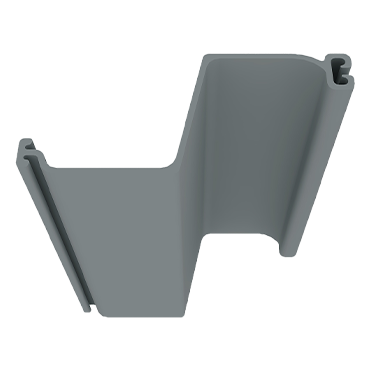
Vinyl sheet piles are produced through a continuous extrusion process in which the PVC compound is melted and forced through a shaped die to produce the finished profile cross-section. The extruded section is then cooled, cut to standard lengths, and inspected for dimensional tolerances and surface quality. Quality manufacturers extrude to tight dimensional tolerances — typically ±1–2 mm on critical dimensions — to ensure consistent interlock fit across panels from the same or different production runs. The wall thickness of the extruded profile is a critical quality indicator: thicker walls provide greater section modulus and moment of inertia, directly improving the pile's structural capacity to resist bending under lateral load.
Common Profile Types and Their Structural Properties
Vinyl sheet piles are available in a range of cross-sectional profiles, each offering different structural efficiency, width coverage per panel, and suitability for different load levels. The most commonly used profiles in commercial supply include:
| Profile Type | Typical Width (mm) | Section Modulus Range | Best For |
| Flat / Straight Web | 300–500 | Low | Low-load retaining, landscape edging |
| Z-Profile | 400–600 | Medium–High | Seawalls, bulkheads, moderate surcharge loads |
| U-Profile (Larssen-type) | 400–700 | Medium | General retaining walls, waterfront structures |
| Omega / Box Profile | 300–500 | High | High-load applications, deep embedment walls |
| Tongue and Groove Flat | 150–300 | Low | Decorative facing, light erosion control |
The section modulus of a vinyl sheet pile profile — expressed in cm³/m of wall — is the primary structural parameter used in bending moment calculations for retaining wall design. Higher section modulus values allow the pile to resist greater lateral pressures at a given embedment depth without exceeding the material's allowable flexural stress. Engineers specifying vinyl sheet piling for structural applications must compare section modulus values alongside the material's published flexural modulus (typically 2,700–3,500 MPa for quality PVC compounds) to determine whether the product is adequate for the design loads.
Advantages of Vinyl Sheet Piles Over Steel and Timber
The growing preference for vinyl sheet piles in many marine and waterfront retaining applications reflects a set of genuine and quantifiable advantages over the traditional alternatives of steel and timber. These advantages are most pronounced in specific environmental and project conditions.
Corrosion and Biological Resistance
Steel sheet piles corrode in saltwater and freshwater environments, with corrosion rates accelerating dramatically in the tidal and splash zones where oxygen concentration and wetting-drying cycles are most intense. Maintaining steel sheet pile structures in marine environments requires cathodic protection systems, periodic inspection, and eventual recoating or replacement — all of which add significant lifecycle cost. Timber sheet piles are vulnerable to biological attack from marine borers such as Teredo navalis (shipworm) and Limnoria species, which can reduce a timber pile to a hollow shell within a few years in infested waters. Vinyl sheet piles are completely immune to both electrochemical corrosion and marine biological attack, eliminating these maintenance burdens entirely.
Lightweight Handling and Installation Efficiency
Vinyl sheet piles weigh approximately one-seventh as much as equivalent steel sections, dramatically reducing the equipment and labor requirements for transportation and installation. Individual vinyl panels can often be handled and positioned manually or with light equipment, making them particularly practical for waterfront residential projects, remote sites with limited crane access, or repairs to existing structures. The reduced weight also means that vibratory hammers and pressing equipment require less energy and generate less vibration during installation, reducing the risk of disturbance to adjacent structures and utilities.
Environmental Compatibility
Unlike treated timber — which historically relied on preservatives such as creosote or chromated copper arsenate (CCA) that leach toxic compounds into the surrounding water and sediment — or steel piles that shed iron oxides and may require zinc or aluminum sacrificial anodes that introduce metals into the environment, vinyl sheet piles are chemically inert in normal service. They do not leach plasticizers or other compounds at levels of environmental concern in structural PVC formulations, making them acceptable in environmentally sensitive coastal and wetland locations where regulatory agencies may restrict the use of treated timber or require additional mitigation measures for steel structures.
Limitations and Design Considerations
While vinyl sheet piles offer compelling advantages in the right applications, they also have inherent limitations that must be acknowledged in project design and material selection. Failing to account for these limitations can result in structural underperformance or premature failure.
- Lower stiffness compared to steel: PVC has a flexural modulus roughly 60–70 times lower than steel, meaning vinyl sheet pile walls deflect more under equivalent lateral loads. This limits their use to relatively shallow retaining heights and moderate surcharge loads unless supplemented with anchor systems, waler beams, or batter pile support.
- Temperature sensitivity: PVC becomes more brittle at low temperatures, increasing the risk of cracking during installation in cold climates. Installation in temperatures below 5°C is generally not recommended without special low-temperature compound grades. Conversely, sustained exposure to temperatures above 60°C can cause creep deformation in loaded structural members.
- Interlock leakage: Vinyl sheet pile interlocks are not inherently watertight under significant hydrostatic head. For applications requiring a near-impermeable cutoff barrier — such as contaminated groundwater containment or flood protection — interlock sealants must be applied, or alternative barrier systems should be considered.
- Driven depth limitations: In dense sands, gravels, or soils containing boulders or cobbles, vinyl sheet piles can be damaged during driving. Pre-augering or jetting may be required in difficult ground conditions to avoid splitting or distorting the profile during installation.
- UV degradation of lower grades: Not all PVC compounds are equally UV-stable. Lower-grade products may exhibit surface chalking, discoloration, and loss of impact resistance over time in exposed above-grade applications. Specifying products with independently tested UV resistance ratings is important for long-term performance in sunny coastal environments.
Typical Applications of Vinyl Sheet Piling
Vinyl sheet piles are well established across a broad range of waterfront, civil, and environmental engineering applications. Their use is most appropriate in conditions that align with their material strengths — corrosive environments, lightweight installation requirements, and moderate structural loads.
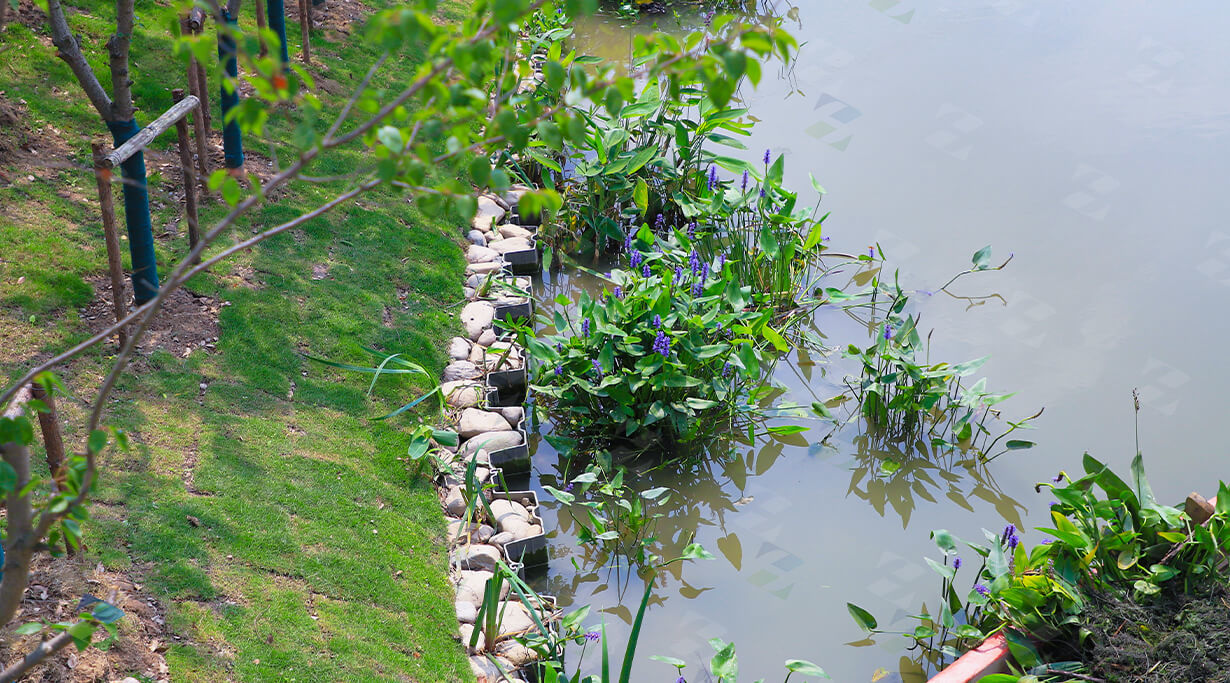
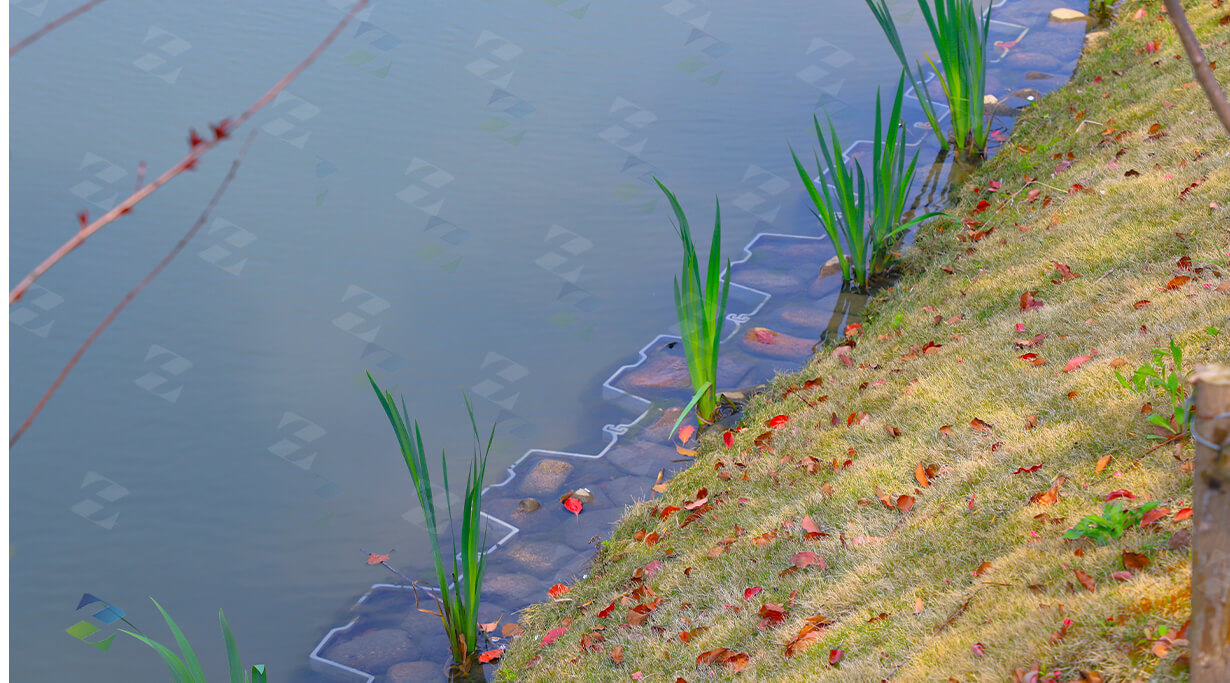
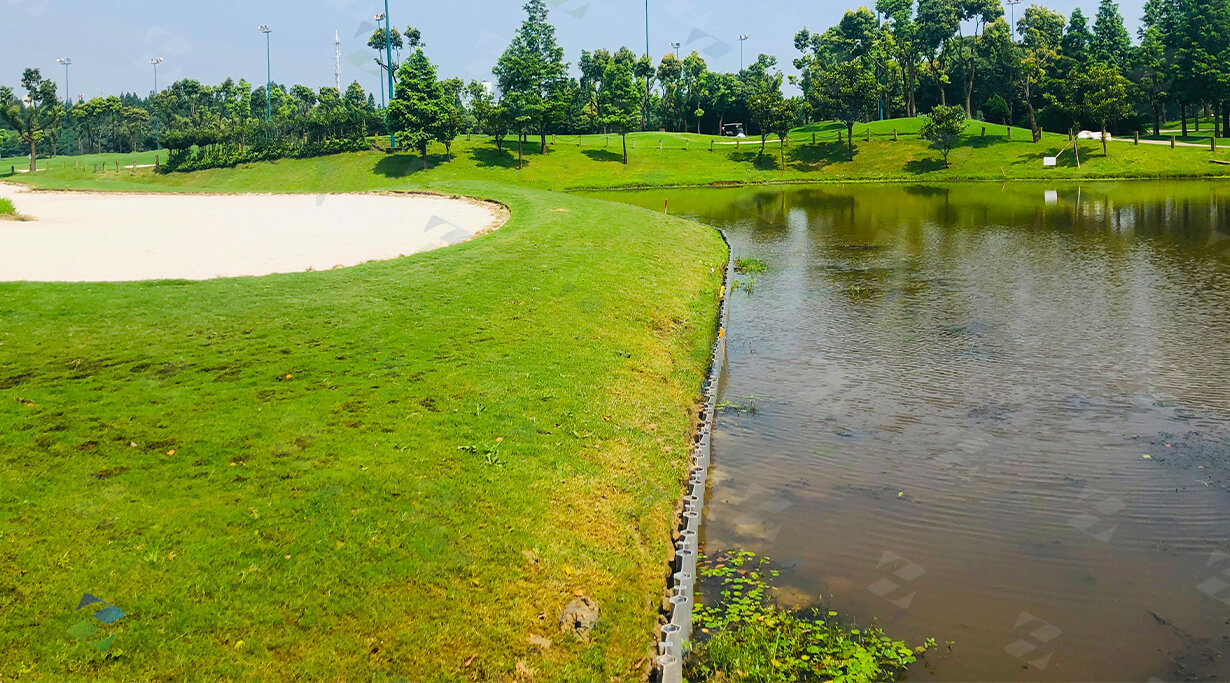
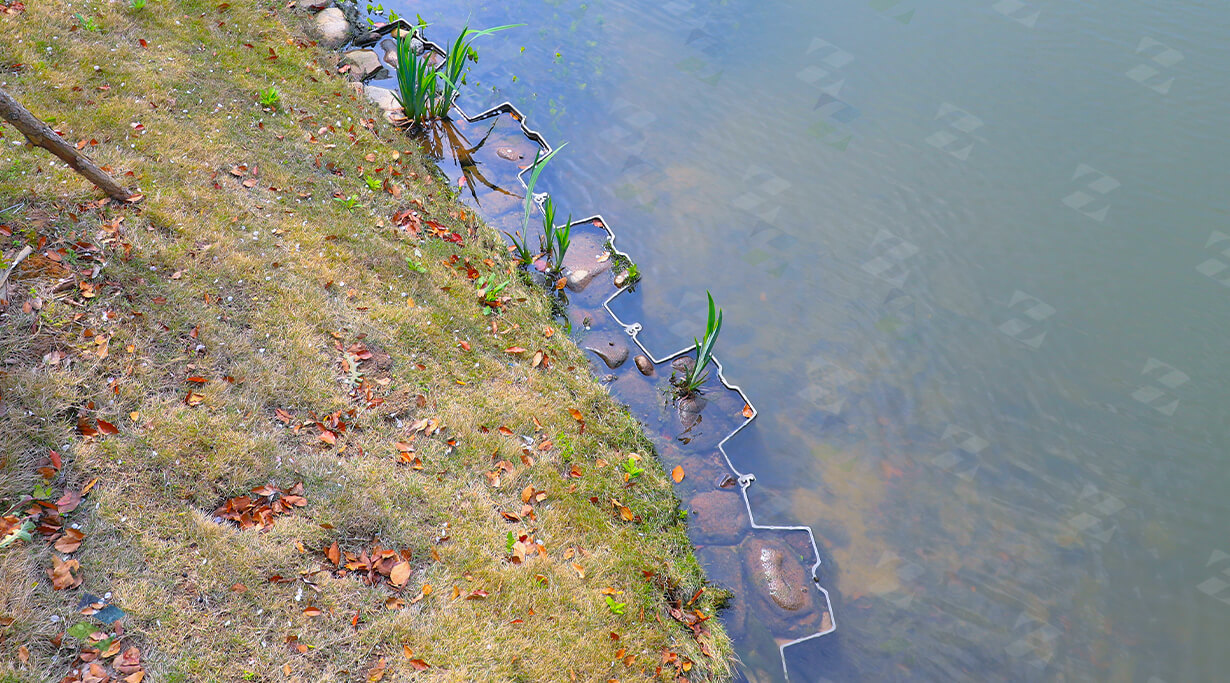
- Residential seawalls and bulkheads: Homeowners and marina operators along coastal shorelines, lakes, and rivers use vinyl sheet pile bulkheads to stabilize eroding shorelines, retain fill, and define the interface between land and water. Their low maintenance and long design life make them economically attractive over a 30–50 year property ownership horizon compared to steel or timber alternatives.
- Canal and waterway lining: Irrigation canals, drainage channels, and urban waterways use vinyl sheet piling to prevent bank erosion, reduce seepage losses, and maintain channel geometry without the maintenance burden of masonry or concrete lining.
- Retaining walls in aggressive soils: Sites with acidic soils, high chloride groundwater, or chemical contamination — such as brownfield redevelopment sites, landfill perimeters, and industrial facilities — benefit from vinyl's chemical inertness where steel would corrode rapidly.
- Temporary construction cofferdams: Lightweight vinyl sheet piling is used to create temporary dewatered enclosures for bridge abutment construction, pipeline crossings, and utility installations in shallow watercourses, where the piles can be extracted and reused after construction is complete.
- Wetland and habitat protection barriers: Environmental restoration projects use vinyl sheet piling to create sediment barriers, invasive species containment walls, and water level control structures in wetland and riparian environments where chemical leaching from treated timber or steel would be unacceptable.
Installation Methods and Best Practices
Correct installation technique is critical to achieving the design embedment depth, maintaining panel alignment, and avoiding damage to the vinyl profiles. The most common installation methods for vinyl sheet piling include vibratory hammering, hydraulic pressing, and water jetting, with the choice of method depending on soil conditions, access constraints, and pile geometry.
Vibratory Hammer Installation
Vibratory hammers are the most widely used installation equipment for vinyl sheet piling in medium-density soils. The hammer grips the top of the pile and applies rapid oscillating vertical vibrations that temporarily liquefy the soil particles immediately surrounding the pile tip and shaft, allowing the pile to advance under its self-weight and the applied crowd force. Vinyl-specific vibratory clamps with wide, padded contact areas distribute the clamping force evenly across the pile head to prevent crushing or splitting of the PVC profile. Installation rates in suitable soils can be very rapid — experienced crews can install several panels per hour — making vibratory installation cost-effective for large-scale wall construction.
Hydraulic Press-In and Water Jetting
In noise-sensitive or vibration-restricted locations — such as near existing structures, in urban areas, or adjacent to sensitive environmental habitats — hydraulic press-in systems push the pile into the ground using static hydraulic force without vibration. Water jetting, in which high-pressure water is directed to the pile tip to fluidize the soil ahead of advancement, is an alternative technique particularly effective in sandy soils and useful for achieving deeper embedment than vibratory methods alone can accomplish. Jetting must be carefully controlled to avoid over-fluidizing the soil in a way that compromises the passive resistance of the soil behind the wall.
How to Select the Right Vinyl Sheet Pile Product
With a range of manufacturers, profiles, and compound grades available in the market, selecting the right vinyl sheet pile product for a specific project requires systematic evaluation of the following parameters:
- Design bending moment: Calculate the maximum bending moment in the wall under design loads and select a profile whose section modulus — combined with the material's allowable flexural stress — provides an adequate factor of safety against structural failure.
- Wall height and embedment depth: Deeper walls require higher section modulus profiles and may necessitate anchor systems or batter piles to control deflection to acceptable limits.
- Exposure environment: Marine saltwater environments require proven marine-grade PVC formulations; UV-exposed above-grade sections require UV stabilizer certification; chemical exposure requires specific compound compatibility data.
- Product certification and testing: Specify products with independently tested and certified mechanical properties — including flexural modulus, tensile strength, impact resistance, and UV resistance — from recognized testing laboratories rather than relying on manufacturer self-reported data alone.
- Interlock design: Evaluate the interlock geometry for dimensional consistency and engagement strength — a poorly fitting interlock compromises wall continuity, allows soil migration, and reduces the overall wall's structural integrity under load.
Conclusion
Vinyl sheet piles represent a mature and well-proven solution for a wide range of retaining wall, seawall, and shoreline protection applications where corrosion resistance, long service life, and low maintenance are priorities. Their inherent immunity to rust, marine biological attack, and chemical degradation — combined with lightweight handling characteristics and environmental acceptability — makes them a compelling alternative to steel and timber in the appropriate application context. At the same time, their lower structural stiffness compared to steel means that engineering design must carefully match the profile selection and embedment depth to the actual loading conditions. By understanding the material properties, available profiles, installation methods, and selection criteria outlined in this guide, engineers, contractors, and property owners can deploy vinyl sheet piling with confidence to deliver durable, low-maintenance structures that perform reliably for decades.