English
 中文简体
中文简体
Oct 20,2026
Content
- 1 What Is Vinyl Sheet Pile and How Does It Differ from Traditional Sheet Piling?
- 2 What Are the Primary Cost Advantages of Vinyl Sheet Pile Over Steel and Concrete?
- 3 Where Does Vinyl Sheet Pile Perform Best as a Structural Solution?
- 4 How Does Vinyl Sheet Pile's Durability Compare to Steel Over a 50-Year Service Life?
- 5 What Are the Structural Limitations of Vinyl Sheet Pile and How Are They Managed?
- 6 How Should Project Teams Evaluate Vinyl Sheet Pile Against Traditional Alternatives?
What Is Vinyl Sheet Pile and How Does It Differ from Traditional Sheet Piling?
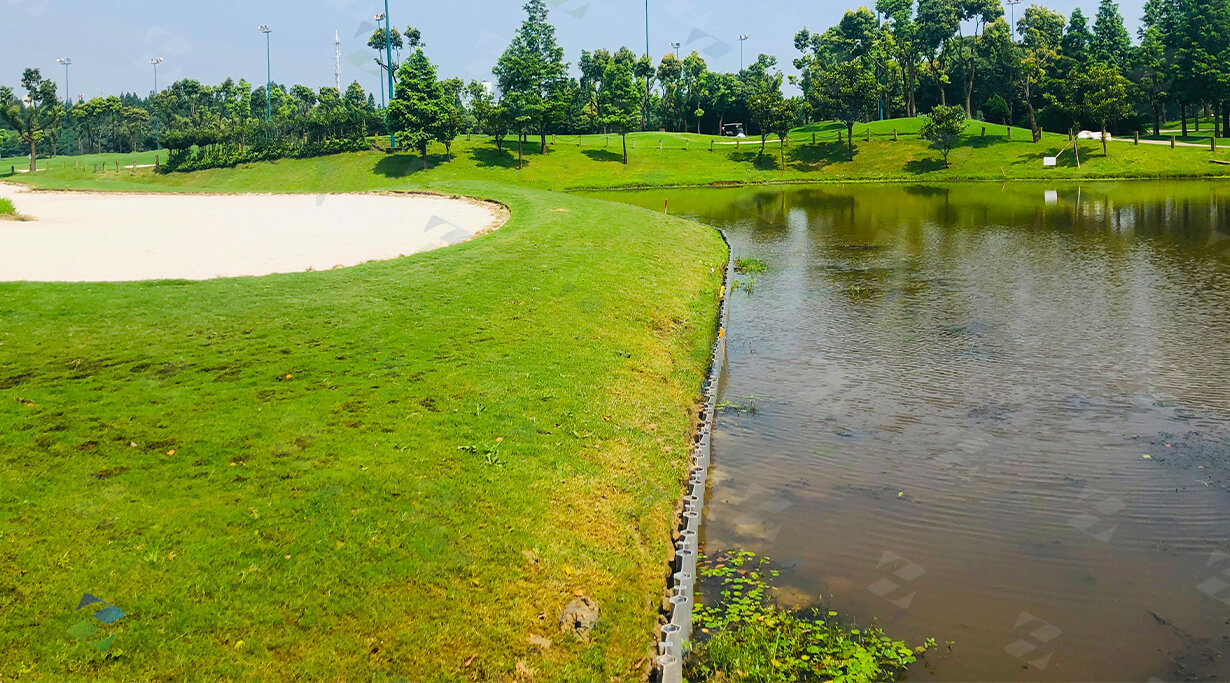
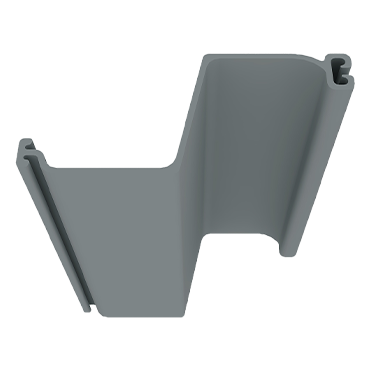
Vinyl sheet pile — also referred to as PVC sheet pile or plastic sheet pile — is a manufactured retaining and barrier system produced from high-density polyvinyl chloride compounds formulated specifically for structural and geotechnical applications. Unlike conventional sheet piling materials such as hot-rolled steel, cold-formed steel, or precast concrete, vinyl sheet pile is extruded into interlocking profile sections that connect together on site to form a continuous wall. The interlocking mechanism — typically a ball-and-socket or thumb-and-finger joint — creates a tight, consistent connection between adjacent sheets that provides structural continuity along the wall length while simultaneously functioning as a water and soil barrier.
Traditional steel sheet piling has dominated civil engineering and marine construction for over a century, valued for its high section modulus, established design standards, and the ease with which it can be driven into a wide range of soil conditions using vibratory or impact hammers. However, steel sheet piling corrodes in marine and chemically aggressive environments, requires ongoing coating maintenance to slow that corrosion, and imposes significantly higher material and installation costs than vinyl alternatives for the application categories where vinyl's structural properties are sufficient. Concrete sheet piling offers permanence and compressive strength but is extremely heavy, expensive to transport, and prone to cracking under the lateral flexure that sheet pile walls experience during installation and under soil and water pressure loading. Vinyl sheet pile occupies a distinct performance niche that makes it demonstrably superior — on a total lifecycle cost basis — for a clearly defined range of applications.
What Are the Primary Cost Advantages of Vinyl Sheet Pile Over Steel and Concrete?
The cost case for vinyl sheet pile over traditional alternatives operates across multiple dimensions that compound over the project lifecycle. Evaluating only the initial material cost per linear metre gives an incomplete and potentially misleading picture; a comprehensive cost comparison must include material procurement, transportation, installation labour and equipment, maintenance over the design service life, and eventual replacement or decommissioning costs.
Lower Material and Transportation Costs
Vinyl sheet pile sections are substantially lighter than their steel or concrete equivalents — typically 80 to 90 percent lighter than steel sections of comparable width. This weight advantage translates directly into lower transportation costs per unit of wall area covered, since more vinyl sheet pile can be loaded onto a standard flatbed trailer than steel, and the vehicle payload capacity is rarely a limiting constraint for vinyl deliveries. For remote project sites where freight costs are a significant proportion of total project expenditure, this shipping economy is particularly meaningful. The lighter weight also reduces the mechanical plant required for unloading and site handling, eliminating the need for heavy lifting equipment that adds mobilisation cost and schedule complexity to steel and concrete piling projects.
Reduced Installation Labour and Equipment Costs
Installing steel sheet pile requires specialised equipment — vibratory hammers, excavators with pile driving leads, and sometimes hydraulic push-in rigs — that carries significant mobilisation and hire costs and demands skilled operators. Vinyl sheet pile can be installed using a conventional excavator fitted with a vibratory plate attachment, or even manually pushed into position in soft soils, which dramatically reduces the equipment specification required and the associated hire costs. Installation crews working with vinyl sections report significantly faster sheet placement rates than with steel in comparable soil conditions, because the lighter weight allows individual sheets to be positioned and threaded into adjacent interlocks quickly without the crane-dependent sequencing that steel piling installation requires. In soft cohesive soils and sand, vinyl sheet pile can often be installed at rates two to three times faster than equivalent steel sections, which translates directly into reduced labour cost per linear metre of completed wall.
Zero Corrosion Maintenance Cost Over the Service Life
This is arguably the most significant lifecycle cost advantage that vinyl sheet pile holds over steel. Steel sheet piling in marine and brackish water environments begins to corrode immediately upon installation, with corrosion rates in the tidal splash zone frequently reaching 0.1 to 0.3 mm of section loss per year without protective treatment. Maintaining steel piling in a serviceable condition requires periodic recoating with marine-grade epoxy or polyurethane systems, cathodic protection installation and monitoring, and eventual pile replacement when section loss reaches the structural limit. These maintenance activities are expensive, disruptive, and ongoing throughout the 25 to 50 year design life of a typical waterfront structure. Vinyl sheet pile does not corrode in any aquatic environment — salt water, fresh water, brackish water, or chemically contaminated groundwater — and requires no protective coatings, sacrificial anodes, or impressed current systems. The maintenance cost over a 50-year service life is effectively zero for the sheet pile material itself, compared to cumulative maintenance expenditures that can exceed the original installation cost for steel piling in aggressive marine environments.
Where Does Vinyl Sheet Pile Perform Best as a Structural Solution?
Understanding the application categories where vinyl sheet pile is genuinely competitive — or superior — to traditional materials is essential to making an informed specification decision. Vinyl sheet pile has well-defined structural limitations that make it unsuitable for high-load retaining wall applications, but within its design envelope it performs reliably and cost-effectively across a broad range of project types.
- Seawalls and bulkheads for residential and light commercial waterfronts, marinas, and boat docks where retained height is typically below 1.5 to 2.5 metres and structural loading is limited to soil, water pressure, and light vessel mooring forces.
- Erosion control barriers along riverbanks, canal margins, and coastal shorelines where the primary function is preventing soil washout rather than retaining significant hydrostatic head or surcharge loading.
- Flood control walls and temporary or permanent flood barriers in urban drainage systems, where the wall must be watertight, installed quickly, and resistant to repeated wetting and drying cycles without degradation.
- Environmental containment applications including landfill cell liners, contaminated site cutoff walls, and groundwater barrier systems where chemical resistance to leachate, hydrocarbons, and low-concentration acid or alkali solutions is a primary specification requirement that steel cannot meet without specialised and expensive corrosion protection systems.
- Agricultural pond and irrigation channel liners and retention structures where lightweight installation without heavy equipment is essential for site access reasons, and where the absence of any metal content eliminates concerns about metal leaching into irrigation water supplies.
- Landscaping retaining walls and garden feature walls where aesthetic finish and the absence of rust staining are valued alongside structural performance.
How Does Vinyl Sheet Pile's Durability Compare to Steel Over a 50-Year Service Life?
Durability comparison between vinyl and steel sheet piling must be conducted over the realistic design service life of the structure rather than based on initial installation condition, because the performance divergence between the two materials becomes increasingly pronounced as the structure ages. The table below presents a structured comparison across the key durability and lifecycle performance dimensions relevant to a typical marine waterfront application with a 50-year design life.
| Performance Dimension | Vinyl Sheet Pile | Steel Sheet Pile | Concrete Sheet Pile |
| Corrosion resistance | Excellent — fully immune | Poor without protection | Moderate — rebar corrosion risk |
| UV resistance | Good (stabilised formulations) | Not applicable | Good |
| Chemical resistance | Excellent — wide pH range | Poor in acidic/saline conditions | Moderate — acid attack risk |
| Maintenance requirement | Minimal to zero | High — periodic recoating required | Low to moderate |
| Design service life | 50+ years | 25–50 years (maintained) | 50+ years |
| End-of-life recyclability | Recyclable PVC | Fully recyclable steel | Limited recyclability |
High-quality vinyl sheet pile manufactured from stabilised PVC formulations incorporates UV absorbers and thermal stabilisers that prevent the surface chalking and embrittlement that unstabilised PVC experiences under prolonged solar exposure. Premium grades are rated for service lives exceeding 50 years in both submerged and above-waterline applications, matching or exceeding the practical service life of maintained steel piling in aggressive marine environments while requiring none of the maintenance interventions that steel demands.
What Are the Structural Limitations of Vinyl Sheet Pile and How Are They Managed?
An honest evaluation of vinyl sheet pile as an alternative to traditional materials must acknowledge its structural limitations, which define the boundary conditions within which it is an appropriate specification choice. Vinyl sheet pile has a lower section modulus and flexural stiffness than equivalent steel sections, which means it is not suitable for applications involving high retained heights, heavy surcharge loading from vehicles or structures, or installation in very dense or hard soils that require the impact energy of a hydraulic pile driver to achieve penetration.
For applications approaching the upper boundary of vinyl's structural envelope, engineers have developed several strategies to extend its applicability. Composite pile systems combine vinyl sheet pile sections with steel H-pile or pipe pile king posts installed at regular intervals along the wall, with the vinyl sections spanning between the king posts as non-structural infill panels. The king posts carry the primary structural loading while the vinyl provides the soil and water containment function, allowing the combined system to achieve retained heights and loading conditions that vinyl alone could not accommodate. This composite approach retains most of the cost and corrosion resistance advantages of vinyl while accessing the structural capacity of steel where it is genuinely needed.
Tieback anchoring — connecting the top of the sheet pile wall to ground anchors or deadman anchors installed in the retained soil mass — is another technique used to reduce the bending moments in vinyl sheet pile walls, allowing them to perform adequately at greater retained heights than a cantilever wall configuration would permit. The structural design of vinyl sheet pile walls should always be completed by a qualified geotechnical or structural engineer using the section properties certified by the manufacturer and appropriate soil investigation data, rather than relying on generic rules of thumb that may not reflect actual site conditions.
How Should Project Teams Evaluate Vinyl Sheet Pile Against Traditional Alternatives?
Making a well-informed choice between vinyl sheet pile and traditional steel or concrete alternatives requires a structured evaluation framework that captures all relevant cost, performance, and risk factors rather than defaulting to the material the project team has most experience with.
- Conduct a full lifecycle cost analysis that includes material procurement, freight, installation equipment and labour, maintenance over the design service life, and end-of-life decommissioning — this analysis consistently favours vinyl in marine and chemically aggressive environments for applications within its structural range.
- Confirm the structural suitability of vinyl for the specific retained height, soil type, surcharge loading, and seismic or wave loading conditions of the project through a formal geotechnical design rather than assuming suitability based on general descriptions of the application category.
- Evaluate the environmental exposure conditions in detail — salinity, pH, temperature range, UV exposure, biological fouling risk, and presence of hydrocarbons or other chemicals — to confirm that the specific vinyl formulation being considered has documented resistance to each relevant exposure mechanism.
- Assess site access constraints and available installation equipment, since the reduced equipment requirement for vinyl installation can be decisive on sites with restricted access, weight limits on access roads, or proximity to existing structures that preclude heavy plant operation.
- Request manufacturer certification data including section property test reports, long-term durability test results, and reference project case studies from comparable applications with documented performance histories of ten years or more, to validate that the product's real-world performance matches its published specifications.
For the right application — moderate retained heights, marine or chemically aggressive environments, sites with access constraints, and projects where lifecycle cost rather than initial capital cost drives the procurement decision — vinyl sheet pile consistently delivers a compelling combination of cost efficiency, durability, and practical installation advantages that traditional steel and concrete alternatives cannot match.