English
 中文简体
中文简体
Oct 09,2026
Content
- 1 What Vinyl Sheet Piles Are and How They Are Manufactured
- 2 Material Properties That Define Vinyl Sheet Pile Performance
- 3 Common Vinyl Sheet Pile Profile Types and Their Structural Characteristics
- 4 Primary Applications of Vinyl Sheet Piles in Civil Engineering
- 5 Installation Methods for Vinyl Sheet Piles
- 6 Structural Design Considerations for Vinyl Sheet Pile Walls
- 7 Comparing Vinyl Sheet Piles to Steel and Timber Alternatives
- 8 Key Factors for Selecting the Right Vinyl Sheet Pile for Your Project
Vinyl sheet piles have become an increasingly prominent solution in waterfront construction, erosion control, retaining wall systems, and environmental containment projects over the past three decades, offering a compelling alternative to traditional steel, concrete, and timber sheet piling in a wide range of civil engineering and landscaping applications. Manufactured from high-density polyvinyl chloride (PVC) or recycled PVC compounds, vinyl sheet piles deliver a combination of corrosion immunity, lightweight handling, dimensional consistency, and long design service lives that address many of the fundamental limitations of conventional piling materials in aggressive marine, coastal, and chemically hostile environments. Understanding the material science, structural capabilities, profile options, installation requirements, and selection criteria for vinyl sheet piles is essential for engineers, contractors, and project owners evaluating whether this material is the right specification for their specific application.
What Vinyl Sheet Piles Are and How They Are Manufactured
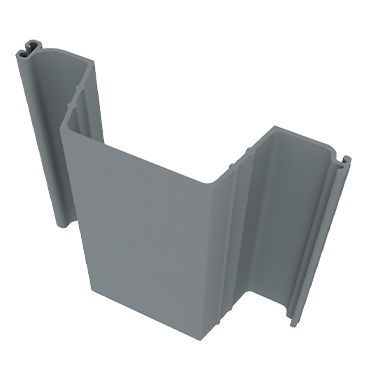
Vinyl sheet piles are extruded thermoplastic profiles produced from rigid PVC compound — typically containing PVC resin, stabilizers, impact modifiers, UV inhibitors, and processing aids — that are designed to interlock with adjacent sections to form a continuous, watertight wall when installed in the ground or driven into a riverbed, lakebed, or coastal substrate. The extrusion process forces the molten PVC compound through a precisely shaped die that produces the characteristic cross-sectional profile of each pile type, including the interlocking male and female connector geometry at each edge that allows adjacent sections to engage and slide together as the wall is constructed.
The PVC compound formulation used in structural vinyl sheet piles is significantly more complex than general-purpose PVC used in pipe or window profile applications. Impact modifiers — typically chlorinated polyethylene (CPE) or acrylic-based compounds — are incorporated to improve resistance to the impact loading and vibratory stress experienced during installation and in-service wave and hydraulic loading. Heat stabilizers prevent thermal degradation during the extrusion process while UV stabilizers protect the finished pile from photodegradation during outdoor storage and throughout its service life. Some manufacturers offer vinyl sheet piles produced from recycled PVC content — using post-industrial or post-consumer PVC regrind — which reduces the embodied carbon and material cost of the product while maintaining performance specifications comparable to virgin compound piles in many applications.
Material Properties That Define Vinyl Sheet Pile Performance
The structural and environmental performance of vinyl sheet piles is governed by the physical and mechanical properties of the PVC material itself. These properties determine what loads the pile can sustain, how it responds to impact during installation, and how long it will maintain structural integrity in the service environment.
- Flexural modulus and stiffness: The flexural modulus of rigid PVC — typically 2,400–3,100 MPa — is significantly lower than steel (200,000 MPa) but adequate for the lateral earth pressure and hydraulic loading encountered in many retaining wall and bulkhead applications when the pile profile is designed with appropriate section modulus. The lower stiffness also means vinyl sheet piles deflect more than steel under equivalent loads, which must be accounted for in structural design.
- Tensile and compressive strength: Rigid PVC exhibits tensile strength values of 40–55 MPa and compressive strength of 55–90 MPa, providing adequate capacity for the axial loads encountered in typical sheet pile applications. These values are temperature-dependent — PVC softens as temperature increases, reducing load-bearing capacity at elevated ambient temperatures, while becoming more brittle and susceptible to impact fracture at very low temperatures.
- Corrosion and chemical immunity: Unlike steel, which corrodes in the presence of moisture, oxygen, and dissolved salts at rates that can structurally compromise a piling installation within 10–20 years without protective coatings and cathodic protection, PVC is inherently immune to electrochemical corrosion. It resists attack from seawater, brackish water, dilute acids, alkalis, and most inorganic salts, making it particularly suited to marine, estuarine, and chemically contaminated site environments.
- Biological resistance: Vinyl sheet piles are not susceptible to the marine boring organisms — shipworms (Teredo species) and gribble crustaceans — that cause severe structural damage to untreated timber piling in marine environments, often reducing timber pile service life to 5–15 years in severely infested waters. Vinyl piles are also unaffected by the fungal decay and insect attack that limits the service life of timber piles in freshwater and terrestrial environments.
- Design service life: Quality vinyl sheet piles are designed and warranted for service lives of 50–75 years in typical installation environments when manufactured from virgin or high-quality recycled compound with adequate UV stabilization. This long service life, combined with minimal maintenance requirements, frequently results in a lower lifecycle cost than steel or timber alternatives despite higher initial material cost in some scenarios.
Common Vinyl Sheet Pile Profile Types and Their Structural Characteristics
Vinyl sheet piles are manufactured in several distinct cross-sectional profile types, each offering different structural efficiency, pile width, and section modulus that determine suitability for different loading conditions and application types. Selecting the correct profile for a given application is a fundamental structural engineering decision.
| Profile Type | Section Modulus Range | Typical Width | Best Applications |
| Flat / Sheet | Low | 300–600 mm | Cofferdams, cut-off walls, low-load barriers |
| Z-Profile | Medium to High | 400–600 mm | Retaining walls, bulkheads, moderate loads |
| U-Profile (Larssen) | Medium | 400–700 mm | Waterfront walls, erosion control |
| Omega / Box Profile | Very High | 300–500 mm | High-load retaining, seawall replacement |
| Tongue and Groove Flat | Low | 100–300 mm | Landscaping, garden walls, light containment |
Z-profile vinyl sheet piles achieve higher section modulus per unit weight than U-profiles because the neutral axis of the interlocked wall is positioned further from the extreme fiber, increasing the moment of inertia of the combined cross-section. This structural efficiency makes Z-profiles the preferred specification for bulkhead and retaining wall applications where bending moment from lateral earth pressure or hydrostatic loading is the governing design load. Box and omega profiles achieve the highest section modulus values by combining two channels back-to-back to form a closed or semi-closed section with exceptional bending resistance, at the cost of greater material consumption and higher unit weight per meter of wall.
Primary Applications of Vinyl Sheet Piles in Civil Engineering
Vinyl sheet piles are applied across a diverse range of civil, marine, environmental, and landscaping projects. Their specific combination of properties makes them more suitable than alternative materials in some contexts and less suitable in others — understanding this distinction is key to appropriate specification.
Waterfront Bulkheads and Seawalls
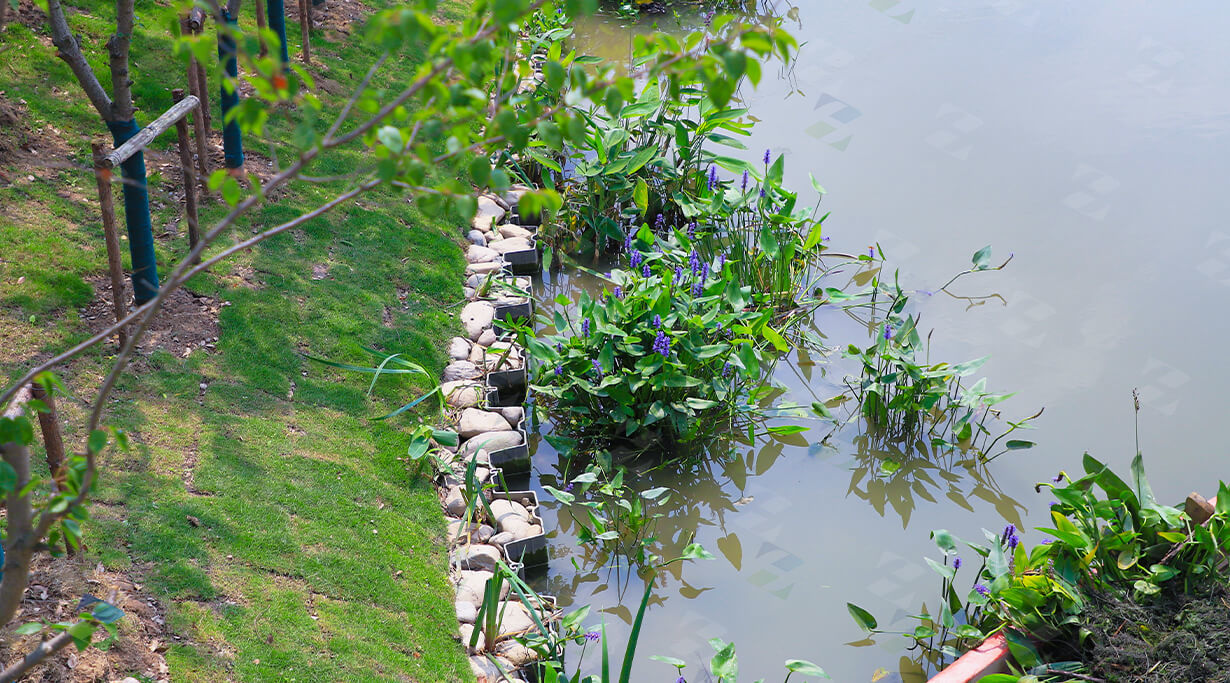
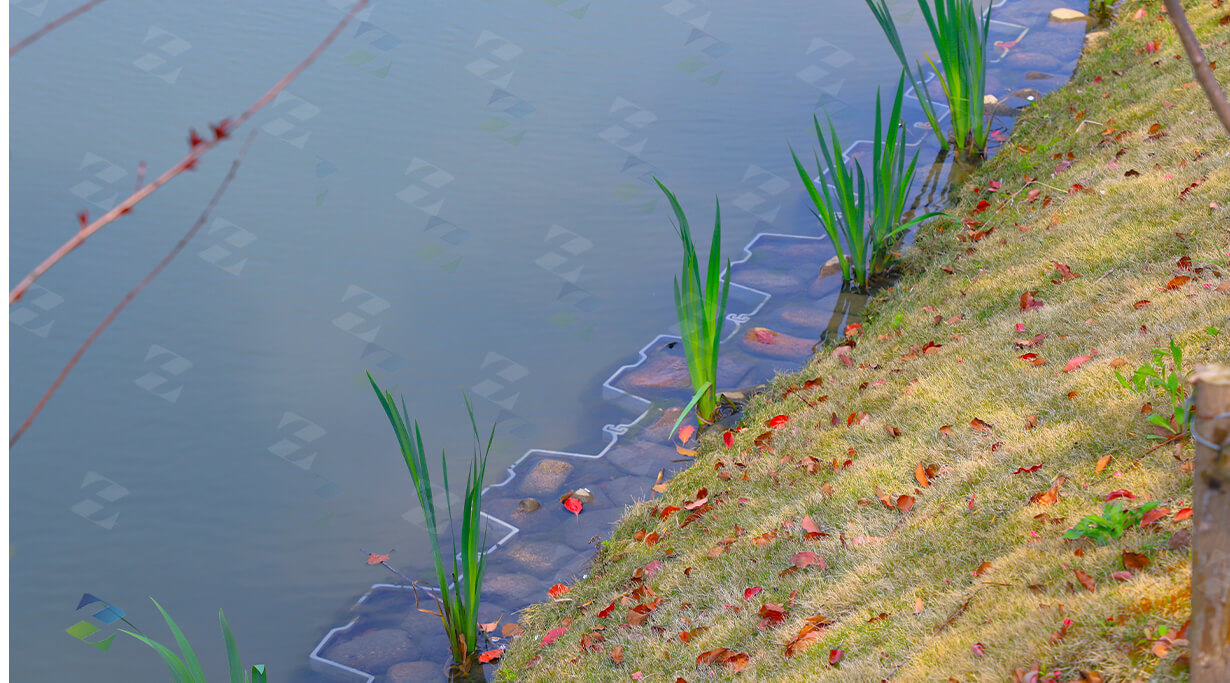
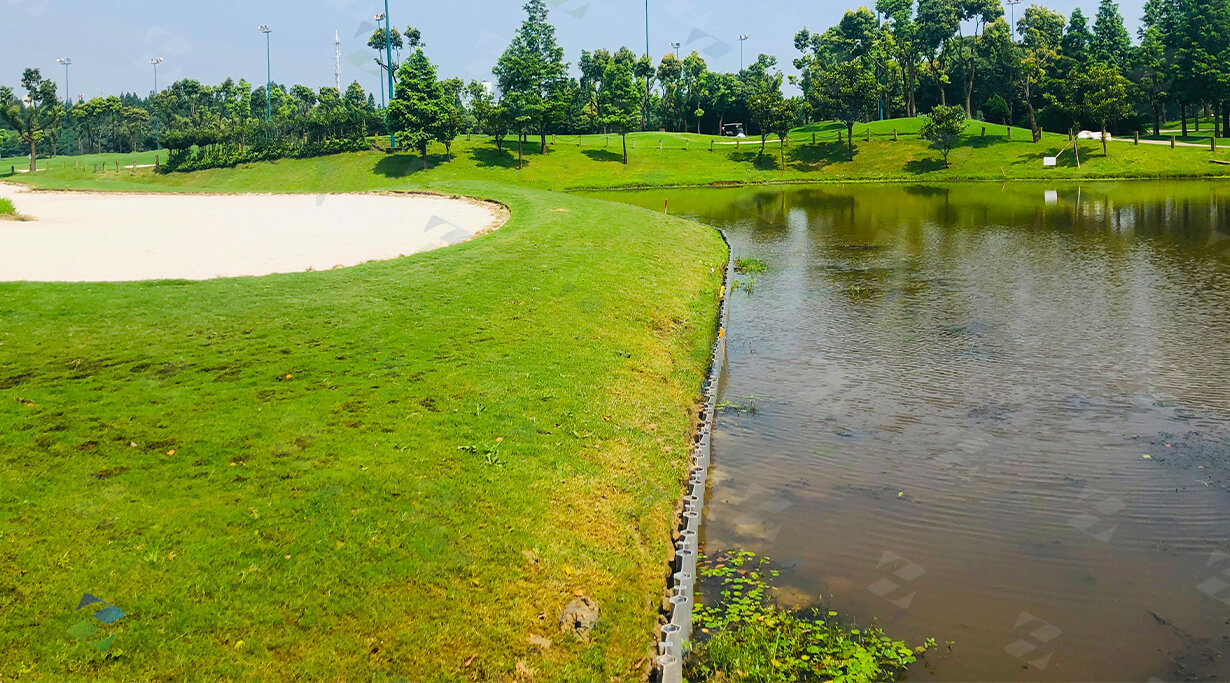
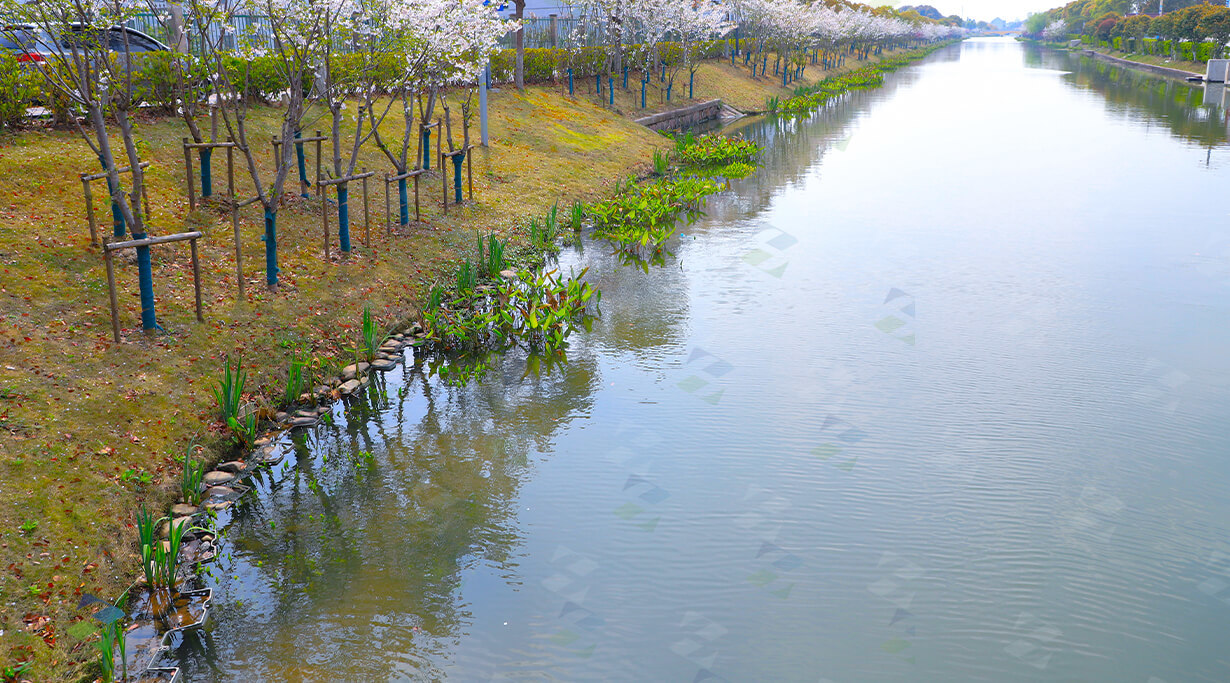
Waterfront bulkheads — retaining walls at the edge of lakes, rivers, estuaries, and coastal inlets that retain soil on one side and face open water on the other — represent one of the largest and most established application markets for vinyl sheet piles. In these environments, the corrosion immunity of vinyl provides a decisive advantage over steel, which requires aggressive cathodic protection and coating maintenance programs in saltwater and brackish water environments to achieve design service lives exceeding 25–30 years. Vinyl sheet pile bulkheads have been installed along marina waterfronts, residential canal banks, boat ramp approaches, and tidal creek banks throughout North America, Australia, and Europe, with documented performance histories of 20–30 years in service on early installations demonstrating long-term structural integrity consistent with design predictions.
Erosion Control and Riverbank Stabilization
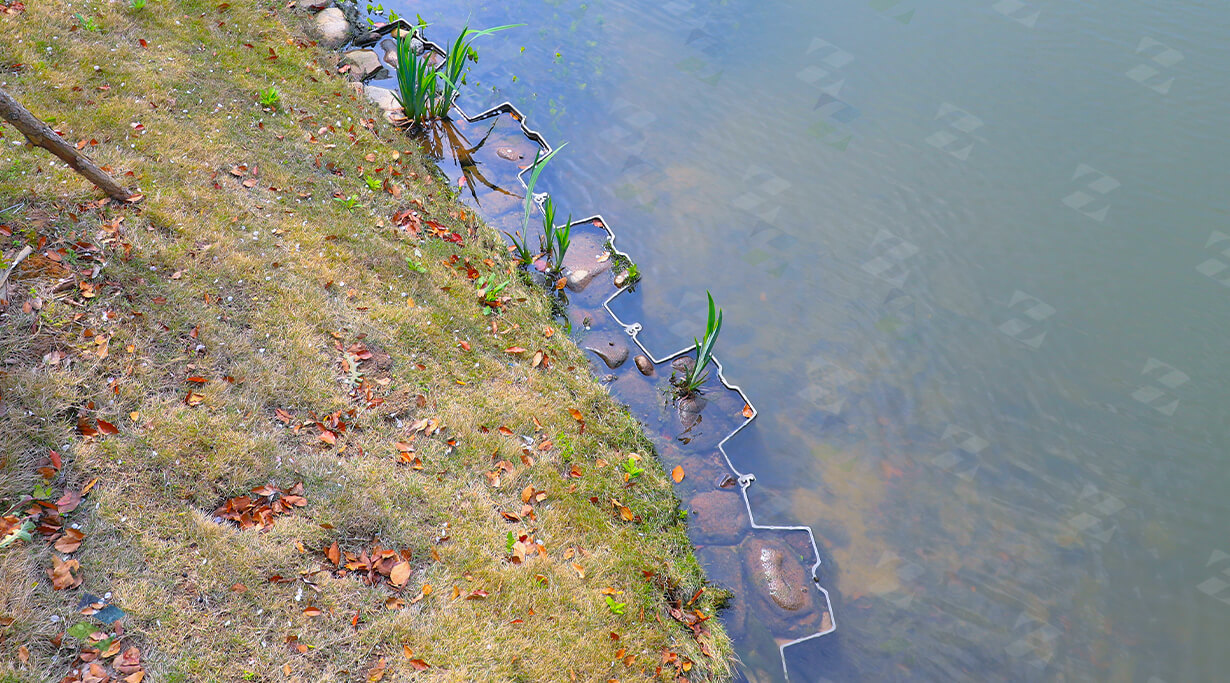
Riverbank and shoreline erosion threatens infrastructure, agricultural land, and ecological habitats in many parts of the world, and vinyl sheet pile walls provide a cost-effective, durable erosion control solution particularly where the relatively low structural loads generated by soil retention and modest hydraulic forces fall within the capacity range of light to medium vinyl profiles. The biological neutrality of vinyl — it does not leach preservatives or heavy metals into the water body as treated timber can — makes it an environmentally acceptable choice for erosion control in ecologically sensitive waterways where regulatory approval of alternative materials might be more difficult to obtain.
Cut-Off Walls and Groundwater Barriers
The interlocking joints between adjacent vinyl sheet piles create a low-permeability barrier to groundwater and seepage flow when installed to sufficient depth below the water table. This seepage cut-off function makes vinyl sheet piles valuable in groundwater control applications including cofferdam construction for below-grade excavation, contaminated land encapsulation to prevent plume migration from contaminated soil or groundwater, and agricultural irrigation management where water retention in canals and reservoirs is a priority. The chemical resistance of PVC is a particular advantage in contamination containment applications where the contained liquid is aggressive enough to attack steel or concrete alternatives.
Landscape Retaining Walls and Decorative Applications
Tongue-and-groove and smaller-profile vinyl sheet piles have found extensive application in residential and commercial landscaping as retaining wall elements for garden beds, terraced slopes, driveway edging, and decorative boundaries. In these applications, the material's light weight — typically 4–12 kg per meter depending on profile — enables installation without heavy equipment, its clean appearance and consistent color are aesthetically appropriate for visible landscape applications, and its resistance to decay and insect attack eliminates the maintenance requirements associated with timber landscape edging and retaining elements. Many landscape contractors now specify vinyl sheet pile products as a direct replacement for timber sleepers and treated timber boards in residential garden retaining wall applications.
Installation Methods for Vinyl Sheet Piles
The installation of vinyl sheet piles differs from steel sheet pile installation in several important respects driven by the lower stiffness and greater sensitivity to impact damage of the PVC material. Using installation methods designed for steel piling without modification will damage vinyl piles, so understanding appropriate installation techniques is essential for achieving a successful outcome.
Vibratory Driving
Vibratory driving using a vibratory hammer — which clamps to the pile head and transmits high-frequency vibration to the pile while pressing it downward — is the most widely used installation method for vinyl sheet piles in granular soils (sands, gravels, and sandy silts) where the vibration liquefies the soil immediately adjacent to the pile and allows relatively easy penetration. The key requirement for vinyl pile vibratory driving is that the vibratory hammer must be clamped securely to a steel drive cap or adapter fitted to the top of the vinyl pile — direct clamping of the vibratory hammer to the vinyl profile without an adapter would concentrate clamping force on the plastic cross-section and cause crushing damage. Drive cap adapters specifically designed for vinyl sheet pile installation are available from pile suppliers and should always be used.
Pre-Trenching and Hand Installation
For lighter-duty landscape and erosion control applications using small-profile vinyl sheet piles, pre-trenching the installation line with a trenching machine, backhoe, or manual tools followed by hand-setting and pressing of the vinyl piles into the prepared trench is often the most practical installation method. This approach eliminates the risk of pile damage from driving equipment entirely and is particularly appropriate in locations where access for heavy vibratory equipment is restricted, such as residential gardens, narrow waterway banks, and sites with overhead obstructions. The trench is backfilled and compacted against the installed piles to develop the passive resistance needed for the wall to function structurally.
Hydraulic Jetting
Water jetting — using a high-pressure water jet to loosen the soil ahead of the pile toe — is used to assist penetration in dense granular soils and to reduce driving resistance in difficult installation conditions. The jet pipe is typically attached to the leading edge of the pile or inserted alongside it, and water is pumped under pressure to the pile tip during driving or pressing. Jetting must be controlled carefully in vinyl pile installation to avoid undermining the soil support of already-installed adjacent piles, and jetting should be terminated before the pile reaches its final depth so that the soil around the pile toe can consolidate and develop adequate end bearing and skin friction to support the installed pile in its design position.
Structural Design Considerations for Vinyl Sheet Pile Walls
Vinyl sheet pile walls must be structurally designed by a qualified engineer in all applications where failure of the wall would create a safety hazard or significant economic consequence. The lower stiffness and strength of PVC compared to steel means that vinyl pile walls behave differently under load and have different design limitations that must be explicitly addressed in the design process.
- Allowable wall height without anchoring: Cantilever vinyl sheet pile walls — those relying entirely on the embedment of the pile below the excavation level for stability, without tie-back anchors or wales — are typically limited to retained heights of 1.2–2.4 m depending on soil conditions, pile profile, and applied loads. This height limitation is more restrictive than for steel piling of equivalent section modulus because the lower modulus of elasticity of PVC results in greater deflection at the pile top for a given moment loading, and because the allowable bending stress in PVC must incorporate a reduction factor for long-term creep behavior not applicable to steel.
- Wale and anchor systems for higher walls: For retaining heights beyond the cantilever capacity of the selected profile, continuous horizontal wale beams — typically aluminum or steel channels attached to the pile face — combined with tie-back anchors or deadman anchors distribute the lateral load into the soil behind the wall or into a deadman anchor block. The connection between the wale and the vinyl pile must be designed to distribute load over adequate pile face area to avoid point stress concentrations that would locally exceed the bearing capacity of the PVC.
- Creep behavior under sustained load: PVC exhibits viscoelastic creep behavior — progressive deformation under sustained stress at a level below the short-term failure stress — that must be accounted for in the structural design of vinyl sheet pile walls subject to long-term sustained loading. Design standards for vinyl sheet pile applications apply time-dependent reduction factors to the short-term material strength values when calculating allowable stresses for permanent structures, typically reducing allowable bending stress by 25–50% compared to the short-term value depending on the anticipated load duration and temperature.
Comparing Vinyl Sheet Piles to Steel and Timber Alternatives
Selecting between vinyl, steel, and timber sheet piling requires evaluating the specific requirements of the project against the relative strengths and limitations of each material across the dimensions most relevant to the application — structural capacity, durability, environmental resistance, installation practicality, and lifecycle cost.
- Vinyl vs. steel: Steel sheet piling provides dramatically higher structural capacity — section modulus values 5–20 times greater than comparable vinyl profiles — and is the unambiguous choice for high-load applications including port and harbor quay walls, deep excavation cofferdams, flood defense embankments, and large retaining structures where retained heights exceed 3–4 m or surcharge loads from structures or vehicles are significant. Vinyl is preferred over steel in corrosive environments for moderate-load applications where the maintenance cost and service life advantage of vinyl delivers better lifecycle economics, and in locations where the lighter weight of vinyl enables installation without heavy equipment or reduces structural demands on existing infrastructure being protected by the wall.
- Vinyl vs. timber: Timber sheet piling is rarely specified for new construction in markets with established vinyl supply chains because the service life of untreated timber is limited by biological degradation and the service life of treated timber raises environmental concerns about preservative chemical leaching — concerns that are entirely absent for vinyl. Vinyl consistently outperforms timber on service life, maintenance requirements, and long-term cost per year of service in all aquatic and marine applications, and provides comparable or superior structural performance in most light-to-medium load applications.
Key Factors for Selecting the Right Vinyl Sheet Pile for Your Project
Making the right vinyl sheet pile selection requires a structured evaluation of the project's structural requirements, site conditions, installation constraints, and regulatory environment. The following considerations provide a practical framework for the specification process.
- Confirm the retained height and design loads: Define the maximum retained height of soil or water and any additional surcharge loads from vehicles, structures, or hydrostatic pressure that will act on the wall. Have a qualified engineer calculate the required section modulus for the wall based on these loads and the soil conditions, and select a vinyl pile profile that meets or exceeds this requirement with an appropriate safety factor.
- Assess soil conditions for installation feasibility: Evaluate the soil profile through the installation depth for the presence of dense gravel, cobbles, cemented layers, or bedrock that may prevent vibratory installation of vinyl piles without pre-augering or jetting. Soils with SPT N-values above 30–40 in the driving depth range typically require specialized installation assistance for vinyl pile penetration, and this should be identified and costed before procurement rather than discovered during installation.
- Verify regulatory and permitting requirements: In waterway and coastal applications, installation of any sheet pile wall typically requires permits from environmental regulatory agencies, waterway authorities, and local planning bodies. Confirm the permitting requirements applicable to your site before project commencement, and verify that the selected vinyl pile system and installation method are acceptable to the relevant regulatory authorities — in some jurisdictions, permits for waterway work specify approved materials lists that must be checked for vinyl pile inclusion.
- Evaluate manufacturer quality and product certification: Request material certification documents from vinyl sheet pile suppliers confirming compliance with applicable material standards — ASTM D1784 for PVC compound classification in North American markets, or equivalent standards in other regions — and documentation of UV resistance and long-term performance testing. Established manufacturers with track records of installed projects in comparable service environments and published performance data provide a higher level of confidence in product quality than unverified import products offered at significantly below-market prices.
- Calculate lifecycle cost, not just initial cost: Compare vinyl, steel, and timber alternatives on a lifecycle cost basis that accounts for installation cost, expected service life, maintenance costs over the service period, and replacement costs at end of life rather than on initial material cost alone. In corrosive environments where steel requires cathodic protection and periodic coating maintenance, and in biological attack environments where timber requires regular inspection and early replacement, the lifecycle cost advantage of maintenance-free vinyl with a 50+ year design life frequently justifies a higher initial material cost per meter of wall.