English
 中文简体
中文简体
Oct 20,2026
Content
- 1 What Are Vinyl Sheet Piles and How Are They Made?
- 2 Advantage One: Superior Corrosion and Chemical Resistance
- 3 Advantage Two: Resistance to Marine Biological Attack
- 4 Advantage Three: Lightweight Construction for Easier Installation
- 5 Advantage Four: Long Service Life and Low Maintenance Cost
- 6 Advantage Five: Environmental and Regulatory Compatibility
- 7 Structural Limitations and When to Specify Vinyl vs. Steel
What Are Vinyl Sheet Piles and How Are They Made?
Vinyl sheet piles are interlocking structural panels extruded from polyvinyl chloride (PVC) compounds engineered specifically for earth retention, shoreline protection, and marine construction applications. Unlike traditional steel or timber sheet piles, vinyl sheet piles are manufactured through a continuous extrusion process in which high-impact PVC resin — compounded with UV stabilizers, impact modifiers, and processing aids — is forced through a precision die to produce a profiled section with interlocking male and female edges on each side. The resulting panels are typically 6 to 12 inches wide per section, with a range of profile geometries including flat, Z-profile, and arch-profile designs that determine the section modulus and moment of inertia of the installed wall.
The material composition of quality vinyl sheet piles goes well beyond basic PVC. Leading manufacturers formulate their compounds with titanium dioxide for UV resistance, calcium-zinc or organotin heat stabilizers for thermal processing stability, and chlorinated polyethylene (CPE) or acrylic impact modifiers that maintain toughness at low temperatures. The result is a material that does not corrode, rot, or require painting — properties that give vinyl sheet piles a compelling lifecycle cost advantage over steel and timber in marine and waterfront environments where both corrosion and biological degradation are constant threats.
Advantage One: Superior Corrosion and Chemical Resistance
The single most significant advantage of vinyl sheet piles in marine construction is their complete immunity to corrosion. Steel sheet piles in saltwater environments are subject to aggressive electrochemical corrosion, particularly in the tidal splash zone where alternating wet and dry conditions accelerate oxidation. Without continuous cathodic protection systems or expensive epoxy and zinc coatings, steel sheet piles in brackish or salt water can lose 0.1 to 0.5 mm of section thickness per year in the most aggressive tidal zones — a rate that can compromise structural integrity within 10 to 20 years without significant maintenance investment.
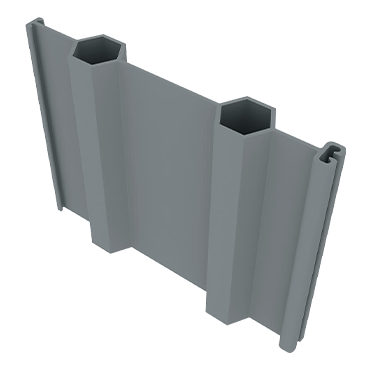
Vinyl sheet piles are chemically inert to saltwater, brackish water, marine organisms, most industrial pollutants, and the sulfate-rich soils common in coastal and tidal flat environments. They do not rust, oxidize, or suffer galvanic corrosion when in contact with other materials. This immunity translates directly into a structural wall that retains its full cross-section and design strength throughout its service life without the maintenance interventions that steel and even coated aluminum alternatives require. For marina bulkheads, seawall replacements, boat ramp retaining walls, and waterfront revetments where access for maintenance is difficult and expensive, this is a decisive advantage that dramatically reduces the 50-year lifecycle cost of the structure.
Beyond saltwater, vinyl sheet piles also resist chemical attack from petroleum hydrocarbons, dilute acids, and alkaline soils — conditions found in contaminated waterfront sites and industrial port areas where steel piling would require specialized coatings and ongoing monitoring to prevent accelerated degradation.
Advantage Two: Resistance to Marine Biological Attack
Marine biological organisms pose a severe threat to conventional sheet piling materials, particularly timber. Marine borers — primarily shipworm (Teredo navalis) and gribble (Limnoria lignorum) — can reduce an untreated timber pile to a hollow shell within two to five years in warm, saltwater environments. Even pressure-treated timber using creosote or chromated copper arsenate (CCA) provides only limited protection, and modern environmental regulations increasingly restrict or prohibit the use of these preservatives near aquatic habitats due to toxicity concerns.
Vinyl sheet piles provide no nutritional value or accessible cellulose structure for marine borers, so they are completely immune to biological attack of this type. Barnacles and other fouling organisms may attach to vinyl surfaces, but this surface fouling does not compromise structural integrity — the organisms attach only to the exterior surface and do not penetrate or weaken the vinyl section. This biological inertness also makes vinyl sheet piles a preferred choice in ecologically sensitive marine environments where minimizing the introduction of toxic preservatives into the water column is a regulatory and ethical requirement.
Advantage Three: Lightweight Construction for Easier Installation
Vinyl sheet piles weigh approximately 60 to 70% less than equivalent steel sheet piles of comparable section modulus, and dramatically less than concrete or timber alternatives. A typical vinyl sheet pile panel weighs between 1.5 and 3.5 lbs per square foot of wall face, compared to 8 to 15 lbs per square foot for steel Z-pile sections of equivalent depth. This weight advantage has cascading effects on every aspect of the installation process that reduce project cost and schedule.
Reduced Equipment Requirements
Lighter panels can be handled by smaller cranes or even manually by two-person crews for shorter pile lengths, eliminating or downsizing the heavy lifting equipment that steel pile driving requires. For waterfront projects where barge-mounted cranes are the only practical access, reducing the lifting capacity required translates directly into lower daily equipment rates and shorter mobilization times. Vinyl sheet piles can also be cut to exact length on site with standard circular saws fitted with fine-tooth blades — no gas axe, plasma cutter, or specialized steel-cutting equipment is needed.
Vibratory and Hydraulic Installation Methods
Vinyl sheet piles are installed using vibratory hammers, hydraulic press-in equipment, or water jetting rather than impact driving, which can fracture the PVC sections. The lightweight nature of the panels means vibratory hammers with lower centrifugal force ratings are sufficient, reducing equipment cost and the noise and vibration transmitted to adjacent structures — a significant advantage in urban waterfront projects near occupied buildings, sensitive marina structures, or heritage-listed seawalls. In soft soils typical of tidal flats and estuarine environments, vinyl piles can often be installed purely by water jetting without any mechanical hammering at all.
Advantage Four: Long Service Life and Low Maintenance Cost
Quality vinyl sheet piles manufactured with fully stabilized PVC compounds are rated by leading manufacturers for service lives of 50 years or more in marine environments — a claim supported by field performance data from installations placed in the 1970s and 1980s that remain structurally sound today. This long service life, combined with the absence of any painting, coating, cathodic protection, or preservative treatment requirements, produces a maintenance cost profile that is dramatically lower than steel or timber alternatives over the full project lifecycle.
Consider a typical marina bulkhead with a 25-year maintenance cycle comparison:
| Cost Category | Steel Sheet Pile | Treated Timber | Vinyl Sheet Pile |
| Initial installation | High | Medium | Medium |
| Corrosion / rot repair (Yr 1–10) | Medium | High | None |
| Recoating / re-treatment (Yr 5–15) | High | Medium | None |
| Cathodic protection system | Ongoing | N/A | None |
| Replacement likelihood by Yr 25 | Possible | Likely | Unlikely |
The vinyl sheet pile wall that requires no painting, no cathodic protection anode replacement, and no section loss monitoring consistently delivers the lowest 25-year total cost of ownership despite a competitive or slightly higher initial material cost compared to timber alternatives.
Advantage Five: Environmental and Regulatory Compatibility
Marine construction projects are subject to increasingly stringent environmental permitting requirements from agencies including the U.S. Army Corps of Engineers, the Environmental Protection Agency, state coastal commissions, and equivalent regulatory bodies in other countries. The choice of sheet piling material directly affects the scope of environmental review required and the conditions attached to construction permits.
Vinyl sheet piles offer several specific environmental advantages that simplify permitting and reduce regulatory risk:
- No toxic leachate: Stabilized PVC vinyl sheet piles do not leach heavy metals, biocides, or hydrocarbon compounds into the surrounding water. By contrast, creosote-treated timber continuously releases polycyclic aromatic hydrocarbons (PAHs) into the water column, and CCA-treated timber leaches arsenic and chromium — both of which trigger enhanced environmental review and monitoring requirements under most coastal permits.
- Reduced in-water work time: The lightweight panels and simpler installation methods associated with vinyl sheet piles allow faster installation with smaller equipment footprints, reducing the duration of in-water construction activity that disturbs sediment, affects water turbidity, and impacts aquatic habitat. Shorter in-water work windows are easier to schedule within the seasonal work restrictions that coastal permits typically impose to protect fish migration and spawning periods.
- Recyclability: PVC is a thermoplastic material that can be ground and reprocessed at end of service life. While recycling infrastructure for large-scale vinyl sheet pile sections is still developing, the material's recyclability represents a positive lifecycle environmental attribute that regulatory agencies and sustainability-focused project owners increasingly weigh in material selection decisions.
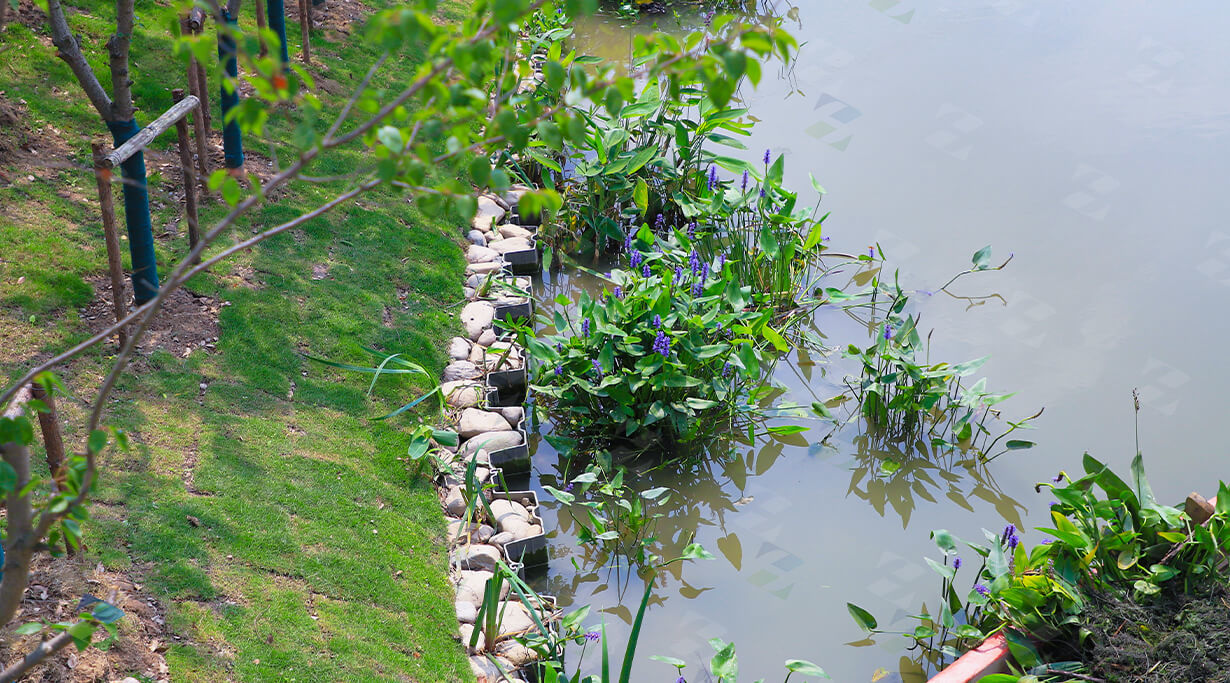
- Compatibility with living shoreline designs: Modern coastal engineering increasingly favors living shoreline approaches that integrate vegetation, oyster reef structures, and natural substrate into shoreline protection systems. Vinyl sheet piles used as toe protection or low-profile retaining elements in living shoreline designs do not inhibit vegetation establishment or release compounds that would affect the recruitment of beneficial organisms to the structure.
Structural Limitations and When to Specify Vinyl vs. Steel
Vinyl sheet piles offer compelling advantages in the right applications, but they are not a universal replacement for steel in all marine construction scenarios. Understanding the structural limitations of vinyl helps engineers and project owners make informed material selections that match pile performance to site conditions.
The moment of inertia and section modulus of vinyl sheet pile profiles are significantly lower than equivalent steel Z-pile or U-pile sections for the same overall wall height. This limits vinyl sheet piles to wall heights typically up to 10–15 feet of retained height in standard soil conditions without tie-back anchoring. For taller walls, heavily loaded bulkheads (such as those supporting heavy vehicle traffic or commercial dock crane loads), or sites with poor soft soil conditions requiring deep pile penetration to reach adequate bearing strata, steel sheet piles remain the appropriate structural choice.
The ideal applications for vinyl sheet piles in marine construction include:
- Residential and light commercial marina bulkheads and seawall replacements with retained heights up to 10 feet
- Boat ramp wing walls and channel bank stabilization in tidal and freshwater environments
- Waterfront retaining walls in contaminated site remediation projects where minimizing introduction of additional toxic materials is a project requirement
- Erosion control and toe protection structures in living shoreline and coastal habitat restoration projects
- Replacement of deteriorated timber bulkheads at residential waterfront properties where the existing structure has reached end of service life and a long-maintenance-free replacement is desired
For projects that fall within these application parameters, vinyl sheet piles deliver a combination of corrosion immunity, biological resistance, installation efficiency, low lifecycle maintenance cost, and environmental compatibility that makes them the most practical and cost-effective structural solution available in today's marine construction market.