English
 中文简体
中文简体

Specification
| Item | Detail |
|---|---|
| Material | High-Density Polyethylene (HDPE), virgin resin |
| Panel width | 500 mm / 600 mm (custom widths available) |
| Panel thickness | 10 mm - 30 mm |
| Standard length | 2 m - 12 m, cut to order |
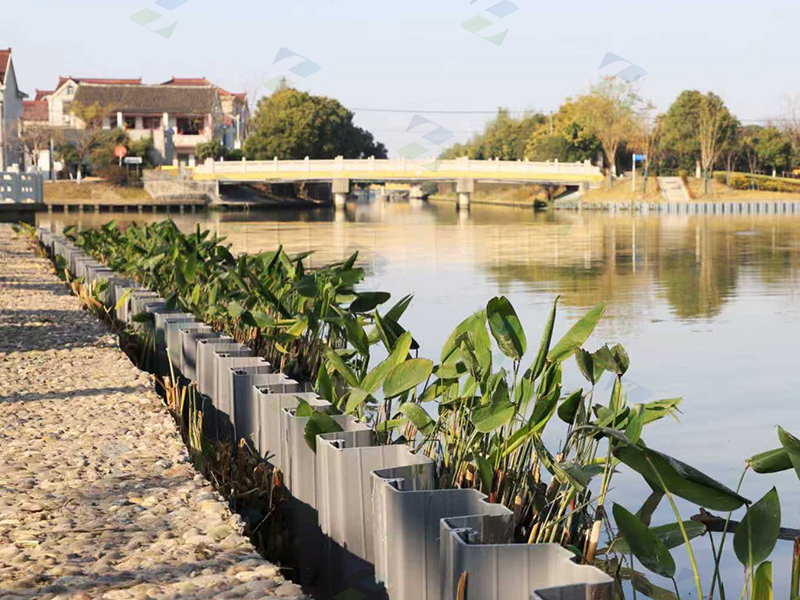
| Joint type | Male-female interlocking groove |
| Color | Black (UV-stabilized), other colors on request |
| Density | Approx. 0.94 - 0.96 g/cm³ |
| Installation method | Vibratory hammer, hydraulic press-in, or manual driving (thin gauge) |
| Packaging | Bundled with steel straps, protective film on request |
Dimensions can be adjusted per project drawing; please share your soil report and required retaining depth so our engineering team can recommend a suitable thickness and joint profile.
Application
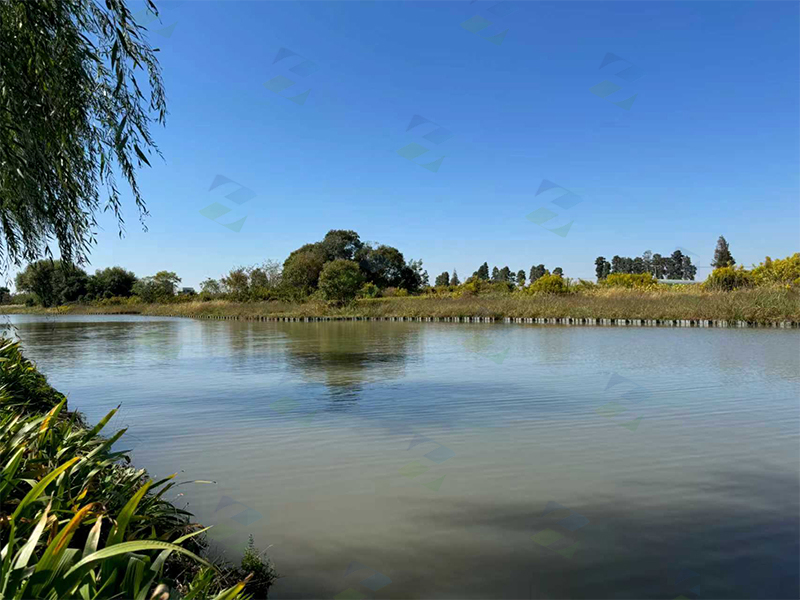
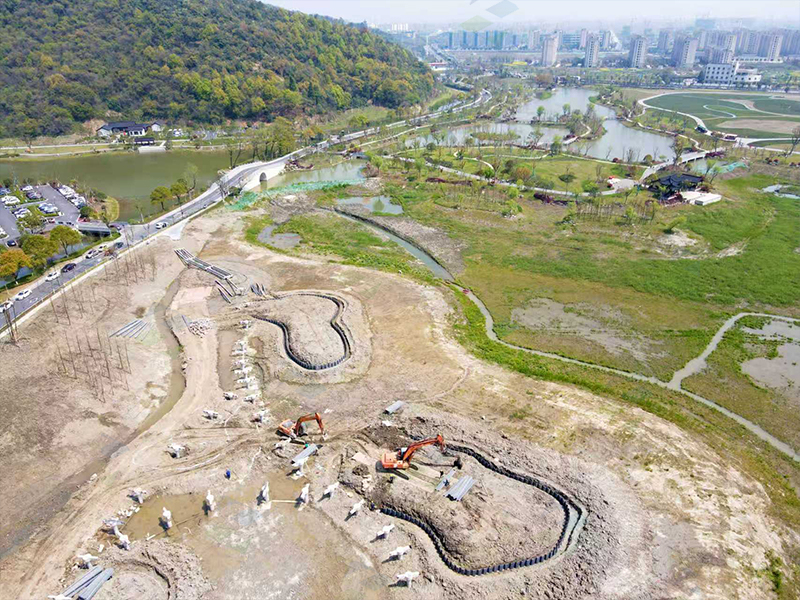
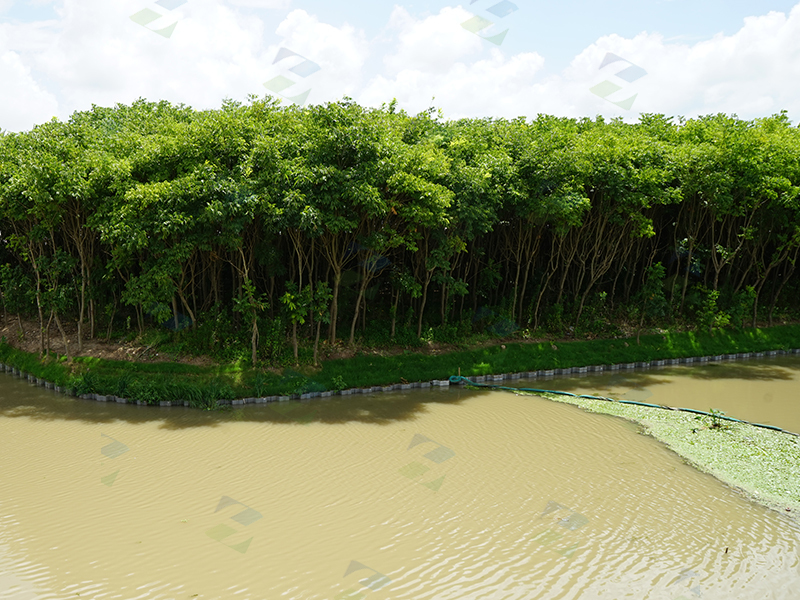
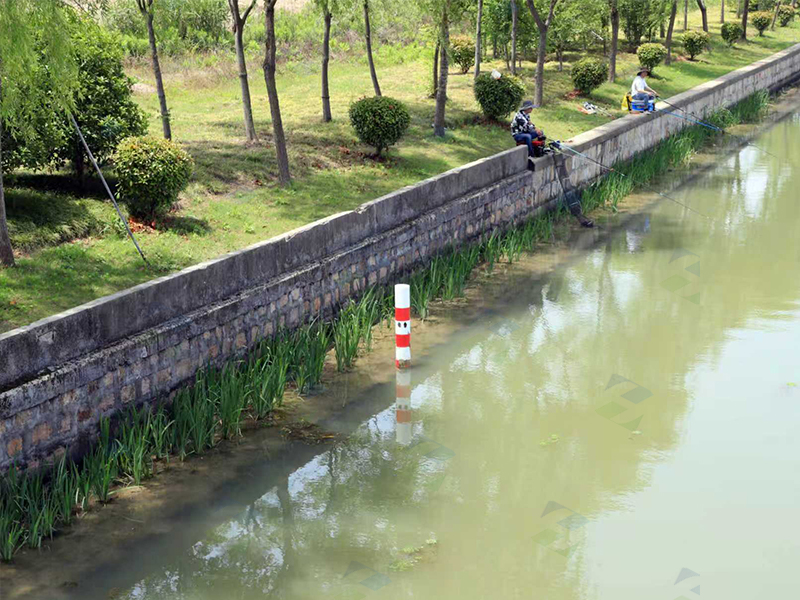
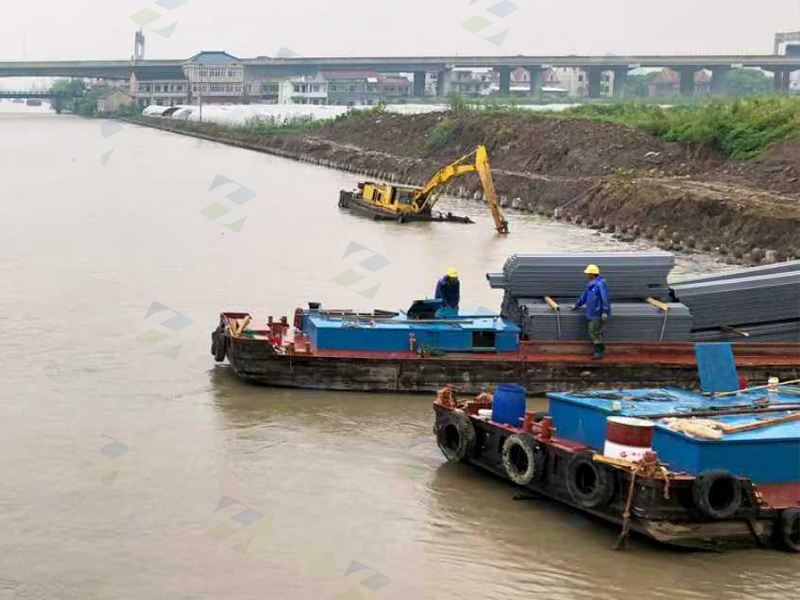
HDPE sheet piling is mainly used as a temporary or semi-permanent retaining wall in situations where corrosion resistance and repeated reuse are more important than very high load capacity. Common applications include shallow foundation pit enclosures, trench boxes for pipeline installation, cofferdams for small drainage works, and seepage cut-off walls beneath landfills or waste ponds.
- Groundwater and seepage control: forms a continuous barrier that slows water and leachate migration.
- Trench and pipeline works: supports trench walls during pipe laying in loose or sandy soil.
- Agricultural and pond lining support: used as an edge retainer for fish ponds and irrigation channels.
- Landfill and environmental projects: acts as a vertical barrier to contain contaminated soil or waste.
Because the panels can be pulled out and reused on a later project, many rental yards and civil contractors also keep HDPE sheet piling in stock as reusable formwork for repeated short-term jobs.
Advantages
- Corrosion-free: HDPE does not rust like steel sheet piles, so it performs well in saline, acidic, or wet soil without protective coating.
- Lightweight handling: roughly one-sixth the weight of an equivalent steel section, reducing crane and transport costs.
- Reusable: panels can typically be extracted and reinstalled on several projects, lowering the cost per use compared to single-use materials.
- Low permeability joints: the interlocking groove reduces water seepage between panels once driven.
- Easier installation: can be driven with lighter equipment than steel piles, which helps on sites with limited access.
These properties make HDPE sheet piling a practical choice when a project needs a barrier wall faster and at a lower total cost than steel, while steel or concrete sheet piling remains the better option where very high lateral load capacity is required.