English
 中文简体
中文简体
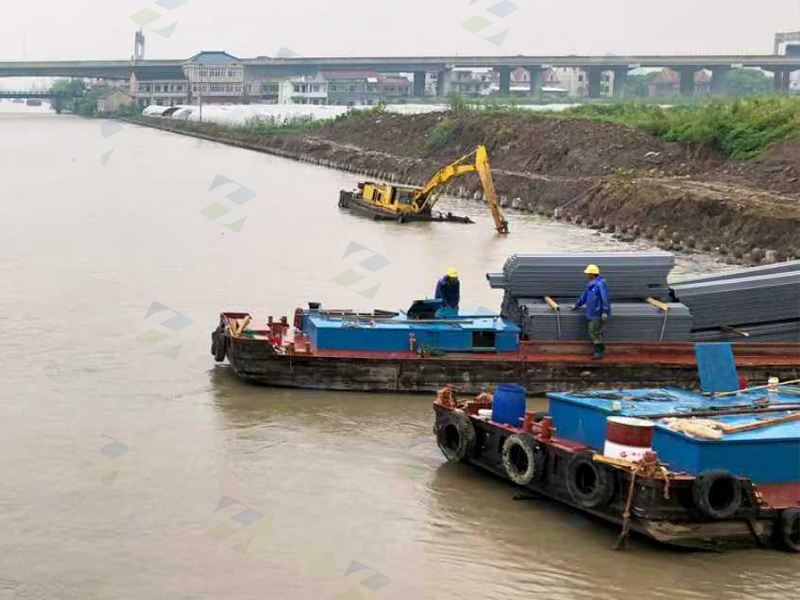
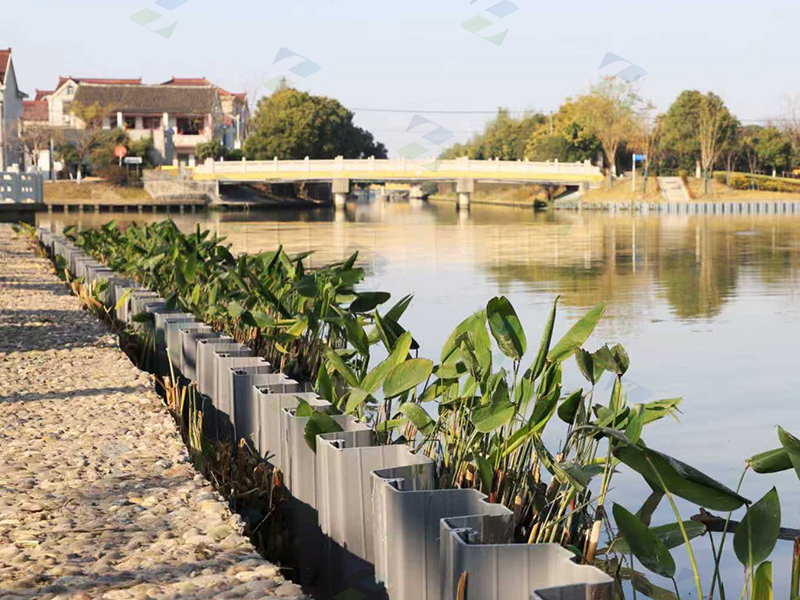

Specification
| Item | Detail |
|---|---|
| Material | Reinforced plastic composite (HDPE-based) |
| Panel width | 500 mm / 600 mm |
| Panel thickness | 12 mm - 25 mm |
| Length | 2 m - 8 m, matched to pit depth |
| Joint type | Interlocking tongue and groove |
| Driving method | Vibratory hammer or hydraulic press-in machine |
| Extraction | Designed to be pulled and reused after backfilling |
| Typical recommended depth | Up to approx. 4 m for standard soil, subject to review |
Please share your pit depth, soil type, and whether the excavation sits near an existing structure, so we can suggest a panel thickness that gives adequate support without over-specifying material you don't need.
Application
This product is used wherever a temporary retaining wall is needed around a foundation pit, typically for the duration of excavation, footing construction, and backfilling. It suits sites where speed of installation and ease of extraction matter as much as raw load capacity.
- House and small commercial foundations: encloses the pit perimeter to keep excavation walls stable.
- Tank and pump station pits: supports localized deep excavations for underground tanks or equipment.
- Utility and service trenches: keeps trench walls from collapsing during pipe or cable installation.
- Rental shoring fleets: stocked as reusable equipment supplied out to different job sites as needed.
Because the panels are designed for repeated use, many buyers treat this as a standing piece of equipment in their yard rather than a one-time consumable, which changes how they plan quantity and storage.
Advantages
- Faster site setup: lighter than steel plate, so crews can position and drive panels with smaller equipment.
- Lower transport and handling cost: reduced weight means more panels per truck load compared to steel.
- Repeated use: panels can be extracted at the end of a project and moved to the next site.
- No rust or coating maintenance: stays serviceable in wet storage yards without repainting.
- Quieter driving: generally produces less noise and vibration than steel sheet piling, useful near occupied buildings.
For deep pits, high groundwater, or heavy surcharge loads from adjacent structures, we recommend involving a structural engineer to confirm whether plastic sheet piles alone are sufficient or should be paired with bracing.