English
 中文简体
中文简体

Specification
| Item | Detail |
|---|---|
| Material | Vinyl (PVC), low-permeability grade |
| Panel width | 400 mm / 500 mm |
| Panel thickness | 10 mm - 20 mm |
| Length | 2 m - 8 m, based on required cut-off depth |
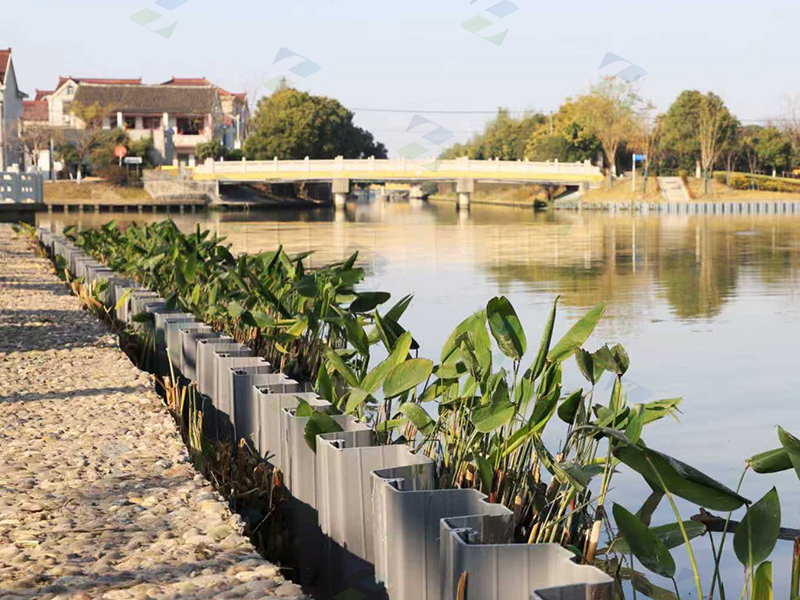
| Joint type | Sealed interlocking tongue and groove |
| Function | Combined seepage cut-off and erosion control barrier |
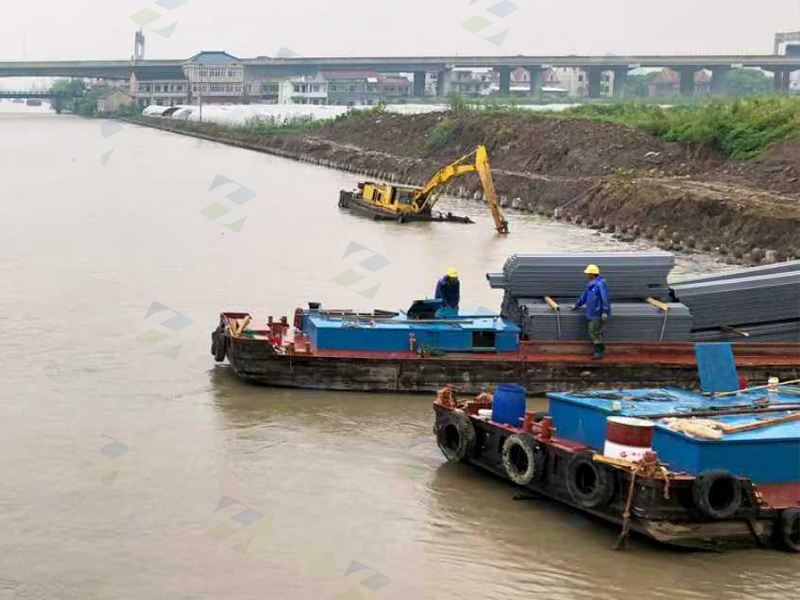
| Installation method | Vibratory hammer or hydraulic press-in equipment |
| Typical embedment | Driven below the seepage path identified in the site's soil report |
Cut-off depth should be based on a hydrogeological or soil assessment of your site; please share this data if available so we can help confirm an appropriate panel length.
Application
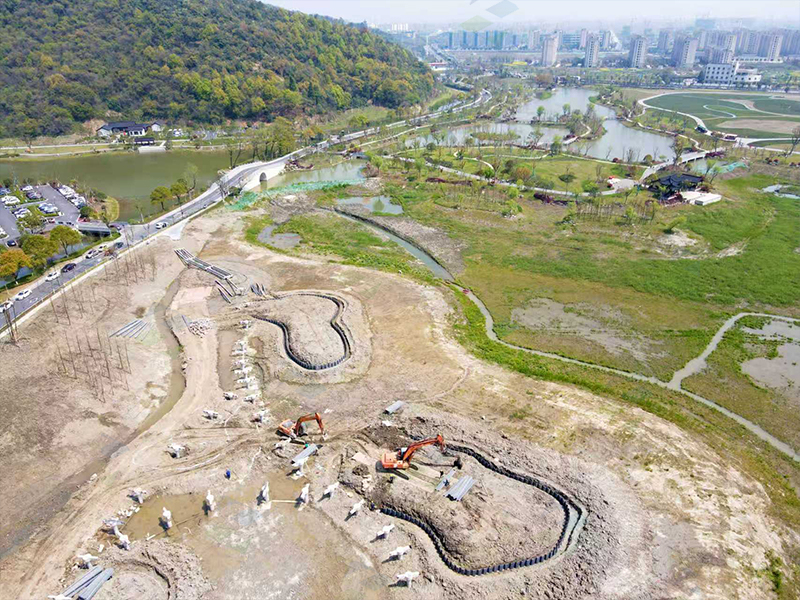
This wall type is used specifically where controlling water movement through soil is the primary goal, rather than purely holding back a soil mass. It is typically driven vertically to form a curtain wall below or alongside a structure that needs to stay dry, or to prevent water and contained material from migrating into surrounding ground.
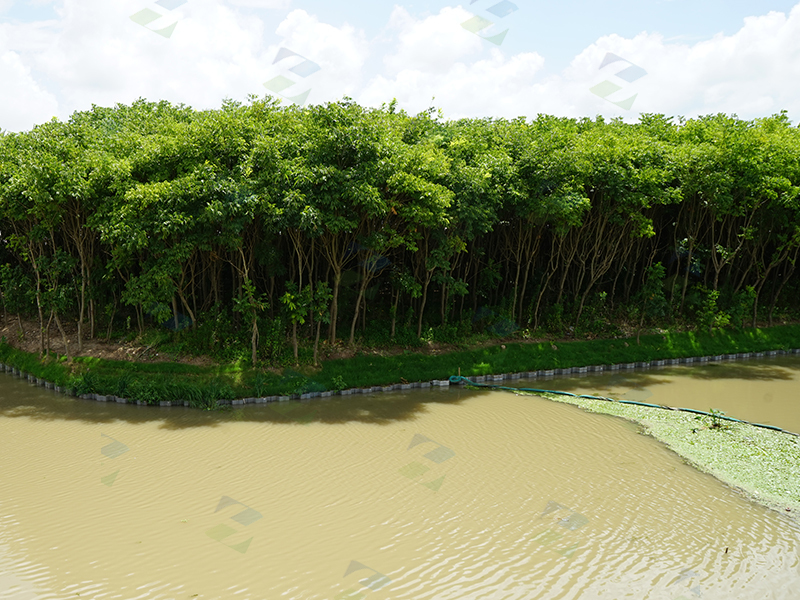
- Earthen dam and levee seepage control: forms a vertical cut-off within the embankment to reduce through-seepage.
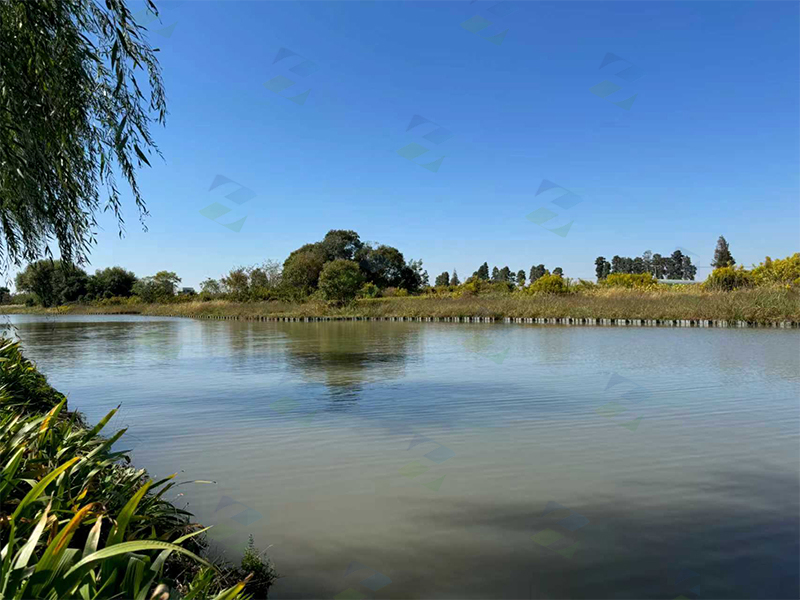
- Retention pond and lagoon walls: limits water loss and containment leakage from ponds and treatment lagoons.
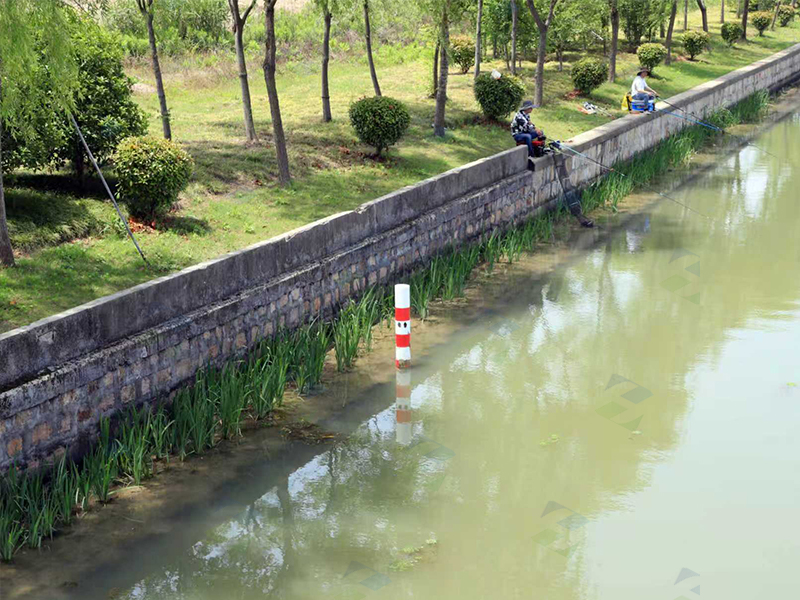
- Canal lining reinforcement: reduces seepage loss along irrigation and drainage canal walls.
- Containment and berm walls: helps keep stored liquids or fine materials from moving into surrounding soil.
Because the wall's performance depends heavily on joint sealing and correct embedment depth, this is one product line where sharing project engineering data with us before ordering makes a real difference to results.
Advantages
- Dual function: addresses seepage and erosion together, instead of requiring two separate systems.
- Consistent joint sealing: tightly controlled panel dimensions help keep the interlock closed once driven.
- Chemically stable: resists the effects of prolonged water and soil contact without breaking down.
- No corrosion-related leak paths: unlike steel, does not develop pinhole corrosion that can open new seepage routes over time.
- Straightforward installation: can be driven with standard vibratory or press-in equipment without special sealing compounds.
For very high hydraulic head or critical dam safety applications, this product is typically used as one component within a broader engineered seepage-control design, not as a stand-alone substitute for full geotechnical review.